
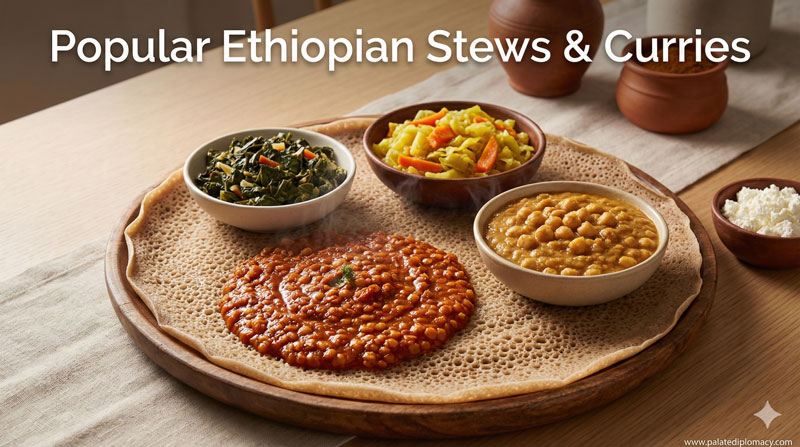
Kik Alicha is a humble yet radiant dish that opens a window into Ethiopian home cooking. This post explores its cultural value and culinary significance with warmth and clarity. You will find why this mild, comforting stew holds a special place on many tables, and how its simple ingredients carry a big story.
What is Kik Alicha?
Kik Alicha is a gentle Ethiopian stew made from yellow split peas. It is seasoned with onions, garlic, ginger, and turmeric, giving it a soft yellow hue and a soothing aroma. Unlike spicier stews, Kik Alicha aims for balance and tenderness. It is often prepared as a comforting main or side dish, and it pairs beautifully with injera on a shared plate. The dish is both nourishing and approachable, inviting cooks of all levels to explore Ethiopian flavors.
The Taste and Texture That Draw People In
Kik Alicha delights with a creamy, smooth texture and a subtle sweetness from the onions and peas. The turmeric adds a warm, sunny note, while ginger and garlic provide gentle zing. The result is a calm, satisfying bowl that supports slower meals and thoughtful bites. The mouthfeel is soft but not heavy, making it the perfect counterpoint to more robust stews. In short, the dish invites slow enjoyment and mindful eating.
Cultural Value in Ethiopian Food Culture
in Ethiopian kitchens, Kik Alicha is a beloved staple that embodies hospitality and everyday care. It often appears on family tables during fasting periods, on market days, or when a meal needs to feel comforting and complete. The dish highlights the Ethiopian love of plant-based cooking, seasonally available pulses, and careful simmering. Serving Kik Alicha with injera reinforces the ritual of sharing. The balance between simplicity and depth showcases how tradition can bloom from everyday ingredients.
Core Ingredients and Their Significance
- Yellow split peas: The star of the dish, providing protein, fiber, and a pale, friendly color.
- Onions: Build sweetness and body, forming the foundation of the flavor.
- Garlic and ginger: Add warmth and depth without overpowering the gentleness.
- Turmeric: Gives a sunny hue and a mild earthy note that ties the flavors together.
- Oil or clarified butter (niter kibbeh) optional: A finishing touch that can elevate fragrance; many homes reserve it for special occasions.
- Salt and water: Essential to bring out the ingredients’ natural flavors.
These ingredients work in harmony to create a dish that is generous and approachable. Each component supports the others, echoing the Ethiopian culinary value of balance and patience in cooking.
From Kitchen to Table: Preparation Basics
- Soak not always required: Dried yellow split peas can be rinsed well and cooked directly, or soaked briefly for quicker tenderizing.
- Sauté first: Cook onions slowly until they soften and sweeten. This builds the dish’s backbone.
- Add aromatics: Stir in garlic and ginger, then turmeric for color and warmth.
- Simmer gently: Add peas and plenty of water; simmer until the peas are soft and creamy.
- Finish with care: A light drizzle of oil or butter and a pinch of salt to taste completes the dish.
Tip: Keep the simmer gentle to preserve the soft texture. The goal is a cohesive, comforting mash rather than a firm stew.
Serving Traditions and Pairings
Kik Alicha shines when shared on a communal plate with injera, the spongy Ethiopian flatbread. The mild flavors of Kik Alicha balance the brighter, spicier stews that also accompany injera. A squeeze of lemon or a small side of fresh greens can brighten the plate, if desired. The dish invites conversation and connection, turning a simple meal into a small ceremony of togetherness.
Variations Across Homes
Home cooks tailor Kik Alicha to their pantry and palate. Some use olive oil or a neutral oil for a lighter finish; others stir in a small amount of niter kibbeh for a richer aroma on non-fasting days. While turmeric remains a common thread, a touch of cumin or coriander can appear in some family versions, adding a gentle earthy note. The core idea stays the same: a mild, comforting dish that centers generosity and balance.
Nutritional and Culinary Significance
Kik Alicha is a plant-forward dish rich in protein, fiber, and minerals from peas and onions. It supports healthy, varied meals while staying inviting and easy to prepare. The gentle spices contribute flavor depth without heaviness, making it suitable for everyday meals or special occasions. Its culinary value lies in showing how a few simple ingredients can create a dish that feels both timeless and modern.
Tips for Home Cooks
- Use quality turmeric for color and aroma; its fragrance truly lifts the dish.
- Keep onions caramelizing gently; this sweetness is essential to the depth.
- Adjust thickness by adding more water if the peas appear too firm, or simmer longer for a creamier texture.
- For a richer mouthfeel, finish with a small amount of oil or clarified butter, if allowed by your cooking plan.
- Pair with injera for authenticity, or serve with warm bread for a comforting, modern twist.
Embracing Kik Alicha in Your Kitchen
Kik Alicha invites cooks to slow down and savor simplicity. Its beauty lies in how easily it adapts to different kitchens while preserving a clear cultural voice. The dish offers a bright, soothing experience that honors shared meals, thoughtful cooking, and the joy of wholesome ingredients coming together. Whether you are new to Ethiopian Cuisine or revisiting a favorite family recipe, Kik Alicha welcomes you with warmth and grace.
Conclusion
Kik Alicha is more than a dish; it is a gentle doorway to Ethiopian food culture. Its mild flavor, creamy texture, and nourishing profile reflect a love of balance and hospitality. As you explore this dish, you glimpse how everyday cooking can carry tradition, care, and community in a single pot. Enjoy the journey, and let Kik Alicha enrich your table with its calm beauty.