
Welcome to Kitfo: A Dish of Flavor and Friendship
Kitfo is a beloved Ethiopian dish that invites the senses to a social table. It centers on finely minced beef, gently spiced and blended with niter kibbeh, a fragrant spiced butter. The result is a plate that signals care, skill, and warm hospitality.
What Kitfo Is
Traditionally raw or lightly warmed, kitfo showcases the quality of beef and the warmth of the spice blend. The meat is usually minced very fine and mixed with niter kibbeh. A touch of salt and a bright chili pepper paste, such as mitmita, heightens the aroma and the finish. In many homes and restaurants, kitfo comes with fresh injera, a soft flatbread, and tangy accompaniments that balance the fire and richness.
Core Ingredients and Techniques
- Finely minced beef, very fresh and lean
- Niter kibbeh, the spiced clarified butter
- Mitmita or another chili spice blend
- A hint of salt, sometimes cardamom or cloves for depth
- Optional accompaniments: injera, ayib (soft cheese), gomen (collard greens)
Technique helps the dish sing. Warm niter kibbeh coats the meat, releasing aroma with the spices. The minced beef absorbs the spice evenly, creating a harmonious, bright flavor. Timing matters: serve promptly to preserve texture and aroma.
Flavor and Texture: A Sensory Portrait
The butter carries a toasty, slightly sweet note. The chili spice adds a gentle heat that lifts the meat’s clean flavor. The texture is tender and smooth, with a delicate bite from the minced beef. The result is rich, aromatic, and deeply satisfying, especially when enjoyed with the soft bite of injera.
Plating, Pairings, and Traditions
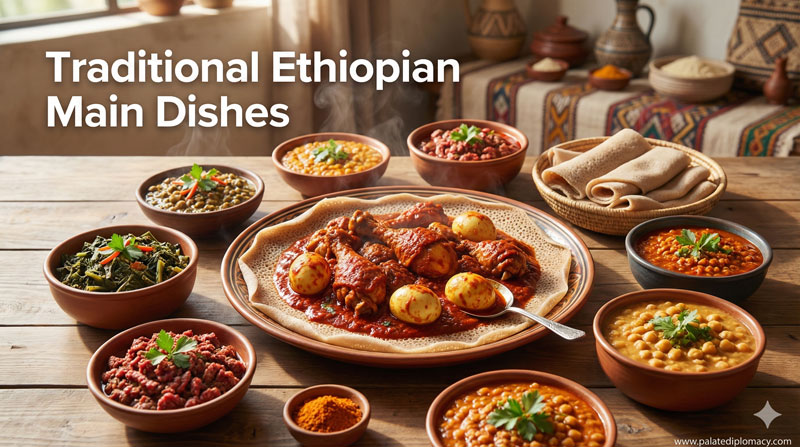
Kitfo is often presented on a large platter of injera. The plate may include ayib for tang and gomen for leafy freshness. Friends and family gather around, using injera to scoop portions. This arrangement emphasizes sharing, balance, and the beauty of a well-prepared meal. The visual contrast of pale ayib with the deep red kitfo adds to the dining experience.
Variations and Personal Touches
Several respectful variations exist to suit different preferences. Some cooks prepare a raw kitfo, while others lightly warm the meat for a gently heated version. Spice levels can be adjusted, and chefs may experiment with different spice notes or herbs to highlight regional flavors. Regardless of the approach, kitfo remains a celebration of skilled preparation and mindful seasoning.
How to Experience Kitfo at Home
- Start with very fresh beef and trim any excess fat.
- Gently warm niter kibbeh in a pan to release its fragrance.
- Mix the minced beef with the warmed butter and spice until evenly coated.
- Taste and adjust salt and heat, then serve immediately with injera, ayib, and greens.
- If you prefer a milder version, sauté the meat briefly to a warm finish.
Kitfo in Ethiopian Food Culture
Kitfo embodies hospitality and thoughtful preparation. It is a dish you share, invite others to try, and savor together. The combination of meat, spice, and butter tells a story of craft and care handed down through generations. Its presence on the table signals welcome, celebration, and the joy of good company.
A Final Note: The Beauty of Kitfo
Kitfo is more than a meal; it is a moment of connection. The glow of spice, the warmth of butter, and the softness of injera come together to create a memorable dining experience. By honoring the dish with care and attention, you celebrate a tradition that invites everyone to the table.