
How Kitfo Reflects Ethiopian Food Culture
Kitfo is more than a dish. It acts as a doorway into Ethiopian food culture, where flavor, craft, and community come together. The core idea is balance: spice meets fat, heat meets freshness, and individual bites join into a shared experience. The aroma from niter kibbeh (spiced clarified butter) and berbere signals hospitality before the first bite. At the table, kitfo invites dialogue, appreciation, and connection. This is food as a social practice as well as a meal.
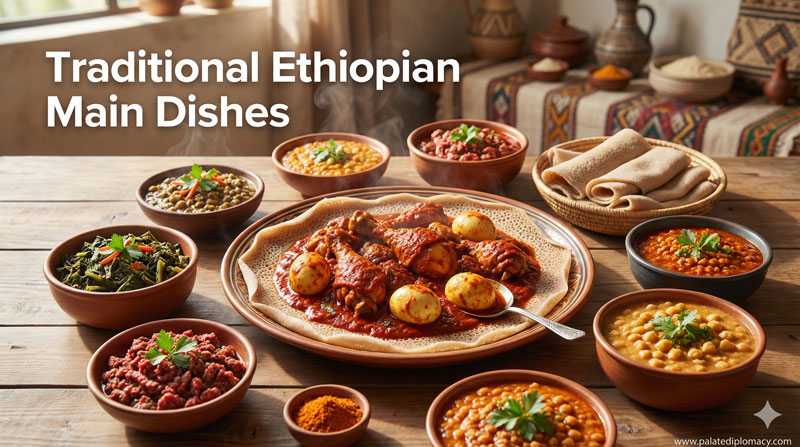
In Ethiopian dining, meals are often a collaborative act. A large platter of injera anchors the table, and kitfo sits beside other traditional dishes. People gather around the same spread, tearing pieces of injera and passing plates with care. The act of sharing strengthens trust and warmth. Fresh meat, precise seasoning, and steady timing reflect the culture’s reverence for ceremony and everyday generosity. This combination shows how food can honor guests while honoring the cooks who prepared it.
Kitfo also embodies careful craftsmanship. The meat is chosen with care and prepared to highlight its natural flavor. The fats carry aroma and tenderness, while spices add depth without overpowering the beef. The resulting harmony is a reflection of cultural values: respect for ingredients, patience in preparation, and pride in the final plate. The dish teaches us to value balance, quality, and mindful eating as expressions of daily life.
The Craft Behind Kitfo
Craftsmanship lies at the heart of kitfo. The meat is typically beef, cut finely and finished to a preferred texture. A spoonful of ghee-like niter kibbeh brings a rich, smooth note. Berbere and sometimes mitmita provide warmth, brightness, and a hint of heat. The spice blends are more than heat; they are aroma and memory rolled into one. The cook tastes as they go, aiming for harmony between fat, meat, and spice.
Attention to technique matters. The texture should be tender, with a clean bite that sings of freshness. The butter’s aroma should rise just as the plate meets the table. In many homes, the person who prepares kitfo also serves it, turning cooking into a moment of hospitality. This sharing of responsibility adds to the warmth of the dining experience. The craft of kitfo is a daily ritual that celebrates skilled hands and mindful timing.
Regional touches appear in spice balance and meat texture. Some kitchens favor a slightly bolder heat; others lean toward a subtler, herb-forward profile. Yet, everywhere, the goal remains the same: to let the beef speak clearly while the spices and fat lift its character. This attention to detail mirrors a broader Ethiopian culinary ethic—honoring ingredients, respecting the cook’s touch, and delivering a plate that feels personal and generous.
Kitfo and Injera: A Cultural Duo
Injera plays a central supporting role. This spongy flatbread is the vehicle and the stage upon which kitfo performs. A torn piece of injera becomes a natural scoop, a soft wrapper, and a shared utensil all at once. The texture contrast between tender kitfo and elastic injera creates a chorus of sensations on the palate. The pairing is tactile, social, and deeply comforting.
The pairing of kitfo with injera embodies hospitality. The bread transforms a plate into a communal experience. Diners gather around the same platter, taking turns to offer bites to one another. This ritual fosters a sense of equality and inclusion. It also invites conversation and laughter, turning a meal into a memory. The duo shows how Ethiopian Cuisine blends technique with social practice, making food a moment of togetherness.
Injera’s tangy, fermentation-driven character complements the richness of kitfo. The balance between sour and savory creates a dynamic that invites slow tasting and appreciation. The combination becomes a signature of Ethiopian dining—food that nourishes both body and spirit, with every bite inviting gratitude for shared sustenance.
Variations as Expressions of Taste and Place
Every family and region adds subtle variations to kitfo. Some prepare raw, finely minced beef with bright spice and warm butter. Others gently warm the mix, creating a nearly cooked version that still honors traditional flavors. The choice reflects personal preference, seasonal ingredients, and local techniques. These differences enrich Ethiopian food culture by showing how a single dish can express diverse tastes while retaining core identity.
Beyond texture, spice balance tells a story. Berbere provides warmth and depth; mitmita adds a sharper edge. The amount of niter kibbeh influences smoothness and aroma. In this way, kitfo becomes a canvas for culinary storytelling. Each preparation carries memories of family kitchens, markets, and neighborhood gatherings. The dish thus links past and present through flavor and method.
The Role of Niter Kibbeh and Berbere
Niter kibbeh is a fragrant backbone. The clarified butter carries spices and a mellow sweetness. It coats the meat, enriching every bite with a silky gloss. The fat seals the flavors, creating a sensation that lingers pleasantly on the palate. This element highlights how Ethiopian cuisine often centers on fat as a carrier of aroma and comfort.
Berbere is the spice map of kitfo. It blends chili, spices, and aroma into a balanced heat. The blend invites aroma to rise with the plate’s warmth. Together with niter kibbeh, berbere shapes the overall experience. The combination demonstrates a culinary language where heat, fat, and meat work in harmony rather than competition. The result is a dish that feels both bold and refined.
Etiquette and the Shared Table
Etiquette at the Ethiopian table emphasizes respect and consideration. Guests are welcomed with care, and hosts honor guests with generous portions. Food is shared openly, and everyone participates in the act of serving and tasting. The shared plate fosters a sense of community, humility, and gratitude. These practices reflect a culture that values hospitality as a daily art.
Guests typically approach the platter with clean hands, using injera to scoop and balance bites. The conversation flows alongside the meal, guided by smiles and respectful pauses. The timing of serving and the pace of eating are gentle, allowing everyone to savor flavors fully. This approach to dining makes kitfo more than flavor; it becomes a moment of human connection.
Seasonal and Festive Significance
Kitfo shines during festive occasions and family gatherings. It is a dish that marks celebration, gratitude, and togetherness. In these moments, the care put into choosing ingredients and refining the balance of spice and fat stands out. Hosting and sharing kitfo conveys a message of welcome and joy. The dish reminds us that good food is a pathway to warmth and good will.
The seasonal rhythm of Ethiopian cuisine often brings kitfo to the table when families gather after work or during special events. Its presence signals generosity and a shared mood of festivity. In these moments, the dish becomes part of a larger tapestry of tradition, memory, and communal eating.
Craft, Care, and Respect in Preparation
The preparation of kitfo embodies respect for ingredients and for guests. Each step is guided by memory, taste, and intention. The cook’s care shows in the balance of flavors and in the tenderness of the beef. This care invites appreciation and admiration from those who share the meal. The result is a dish that feels intimate, crafted, and inviting.
Cultural appreciation grows when diners reflect on how kitfo connects to daily life. It reminds us that food can be a form of storytelling, a way to honor family, and a bridge between generations. The dish stands as a testament to the beauty of Ethiopian culinary craft and the joy of generous hospitality.
Conclusion: Kitfo as a Mirror of Ethiopian Food Culture
In the end, kitfo reflects Ethiopian food culture as a living practice. It blends technique, aroma, and social ritual into a single, beloved dish. The care in selecting meat, the richness of niter kibbeh, the warmth of berbere, and the shared table all point to a culture that values generosity, craftsmanship, and community. Kitfo invites us to savor not only flavor but also the people, stories, and traditions that surround it. It is a celebration of food as a comforting, unifying force—an invitation to slow down, share, and give thanks for each bite.