
The Story Behind Kitfo, a Favorite Ethiopian Food
Kitfo is more than a dish. It is a thread through family kitchens and shared meals. In Ethiopian homes, kitfo invites careful attention to texture, aroma, and balance. The meat is finely minced or ground, then adorned with spices and a kiss of melted butter. The result is lively and bright, with a depth that comes from careful technique and fresh ingredients. People gather around the table to welcome each other with warmth, and kitfo becomes a conversation in flavor, not just sustenance. This is the heart of its cultural value: a celebration of hospitality, craft, and the joy of eating together.
The Craft of Kitfo
The craft begins with good meat. Fresh, high-quality beef is trimmed and ground to a fine, even texture. The grind matters because texture carries the flavor. Next comes the seasoning. A pepper blend called mitmita adds heat and brightness, complemented by a pinch of Berbere for depth. A splash of salt and sometimes a whisper of fenugreek or cardamom lift the aroma. Finally, niter kibbeh—the spiced clarified butter—is stirred in. The butter carries the spices, delivering fragrance with every bite. Some cooks warm the mixture briefly so the butter mingles with the meat, while others serve it raw for a crisp, clean texture. Either way, timing is essential. The goal is to keep the meat fragrant and juicy, not dry.
Plate Companions and Serving Rails
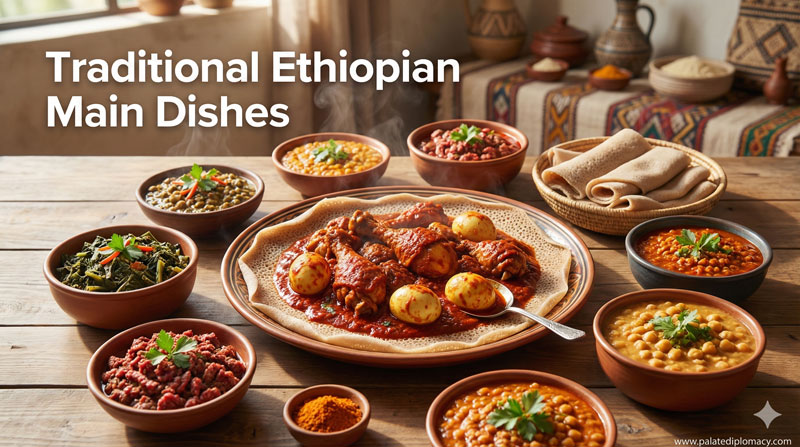
Kitfo rarely stands alone. It travels best with injera, the soft, sour flatbread that acts as a plate and utensil at once. A few bites of injera alongside kitfo create a gentle, forgiving balance. Many tables include ayib, a soft, tangy cheese that melts slightly when touched by warm meat. Gomen, or collard greens, adds a leafy freshness and a slight bitterness that brightens the plate. A small side of mitmita or another spice blend lets guests adjust the heat to their liking. The result is a harmonious trio of textures: tender beef, creamy cheese, and crisp greens, all carried on a gentle sourness from the injera.
Regional Variations and Personal Touch
Variations reflect the cook’s pantry and preferences. Some kitchens favor leaner beef, others enjoy a richer, marbled cut. Spiciness ranges from mild to bold, guided by the mitmita and any additional peppers used. Some cooks offer a light cook on the meat for those who prefer a softer bite, while purists enjoy the raw, bright finish. Goat or lamb can appear in place of beef, lending a different aroma and sweetness. Across households, the rhythm remains the same: respect for the ingredients, careful seasoning, and a shared moment of tasting and laughter.
The Social Table: Hospitality and Ritual
Kitfo embodies hospitality. The table becomes a stage for generosity, where the host shares the first bite and invites others to join in. The act of passing injera, cheese, and greens around the circle is a quiet ritual of welcome. The aroma of spiced butter fills the room and invites conversation. In many homes, the simple act of preparing kitfo is itself a small ceremony—a moment to pause, reflect, and connect. This social fabric—the warmth, the care, the collective enjoyment—adds to kitfo’s enduring appeal.
Bringing Kitfo Home: A Simple Guide
If you wish to explore kitfo at Home, start with fresh beef and a bright spice blend. Use a quality butter to carry the aroma. Prepare injera or a soft bread to serve as the base. Gather ayib and greens as accompaniments to balance flavors. Assemble with care, taste, and adjust heat to your preference. Share the dish with family or friends, and let the table tell its own story. Kitfo invites curiosity, generosity, and a deep appreciation for the beauty of Ethiopian cooking.