
Introduction
Kluski Śląskie, or Silesian dumplings, have earned a cherished spot in Polish kitchens. This dish shines with its simple ingredients, tender texture, and the quiet joy it brings to family meals. In Poland, Kluski Śląskie is more than food; it is a sensory link between meals and memories. It speaks to the care of a grandmother, the skill of a home cook, and the warmth of a shared table. This post explores how Kluski Śląskie became a must-try dish in Poland by celebrating its cultural value and culinary significance.
What Are Kluski Śląskie?
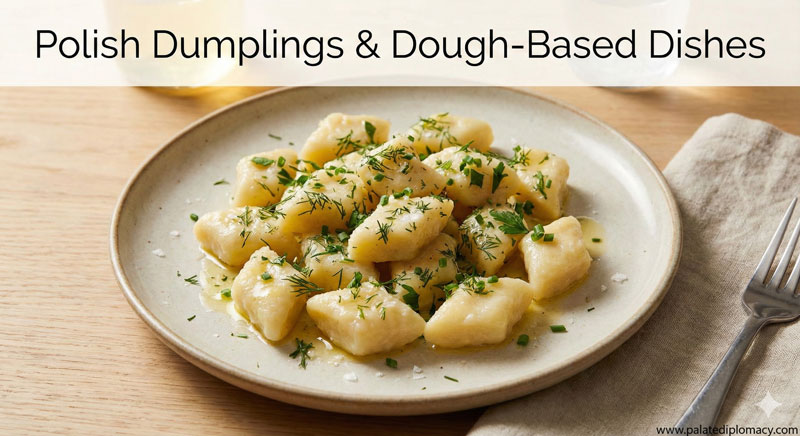
Kluski Śląskie are small potato dumplings with a signature center dimples that catch sauces and gravies beautifully. They are usually made from mashed potatoes, a touch of flour, and sometimes a small amount of egg or starch to bind. The dough is rolled, cut into round discs, and gently pressed to create the familiar dent in the middle. Boiled until just tender, the dumplings emerge soft on the inside with a delicate thickness on the outside. In many Polish households, their pale, airy appearance is a visual cue of comfort and care. This combination of texture and simplicity makes Kluski Śląskie instantly appealing to both new diners and longtime fans.
A Culinary Portrait of Silesian Heritage
Kluski Śląskie carry the warmth of Silesia, a region known for rich agricultural flavors and sturdy, honest cooking. The dish reflects a philosophy of using humble ingredients to create something refined. The dumplings marry potato’s earthiness with a light flour binding, yielding a texture that can cradle sauces or stand up to a rich gravy. Across Poland, families embrace this dish as a bridge between regional cooking and national appetite. It is a recipe that travels well from a home kitchen to a family feast, preserving tradition while inviting modern interpretations. In that sense, Kluski Śląskie centers on cultural value: a dish built from daily life that earns a place at the table through consistency, aroma, and a shared sense of taste.
Texture as a Cultural Language
Texture tells a story in Kluski Śląskie. The potato gives softness and a gentle bite, while the center dent helps the dumpling hold onto sauce. When you taste one, you notice how it releases starch and absorbs flavors without becoming heavy. This balance mirrors Polish culinary sensibilities: it respects the ingredient, supports the sauce, and leaves room for other dishes on the plate. The method—careful mixing, gentle rolling, careful boiling—speaks of patience and craft. In Polish food culture, such care is a form of hospitality, inviting guests to linger a little longer at the table.
The Rise to a Must-Try Across Poland
Kluski Śląskie became a must-try dish through a simple, persuasive arc: widely loved by families, showcased in home kitchens, and celebrated during shared meals. The dumplings are adaptable, pairing well with mushroom gravies, beef ragout, or butter and breadcrumbs. They also offer a comforting option for vegetarian meals when paired with mushroom or onion sauces. This versatility helps explain why Kluski Śląskie spread beyond their Silesian origins. People discover the dumplings through family menus, regional fairs, and cookbooks, then adopt them as a seasonal staple. The result is a dish that feels both familiar and special, a reliable favorite that continues to welcome newcomers to Polish cuisine.
Pairings that Elevate the Dish
A well-made Kluski Śląskie shines when paired with the right sauce. Mushroom gravies with a touch of cream provide a velvety contrast to the dumplings. A rich beef sauce offers depth that makes the dumplings feel indulgent yet wholesome. Butter, breadcrumbs, and a sprinkle of fresh herbs add a final, fragrant note. For lighter meals, a mushroom sauce or a light onion-sage butter can be equally gratifying. The dish also adapts to seasonal vegetables. Roasted root vegetables or sautéed greens bring color and balance to the plate. In every pairing, Kluski Śląskie acts as a gentle stage for sauces and aromas to bloom.
Cultural Value in Daily Life
In Poland, meals are occasions for connection, and Kluski Śląskie often plays a central role. Families may prepare them for Sunday dinners, festive lunches, or simple weeknight meals when comfort is welcome. The dumplings invite conversation as someone stirs a pot of sauce, someone else shapes the dough, and others watch the simmering water perform its quiet magic. This shared process reinforces a sense of community around food. The dish also appears in local markets and cooking classes, helping to pass down technique and appreciation to younger generations. In this way, Kluski Śląskie contributes to a living culinary culture—one that respects tradition while inviting personal interpretation.
Regional Variations and Modern Twists
Polish cooks often adapt Kluski Śląskie to personal taste and local pantry items. Some versions favor a higher potato-to-flour ratio for extra softness, while others add a touch of egg to improve binding. A few cooks experiment with different flours, such as light rye or gluten-free options, to create subtle changes in texture. in Modern kitchens, the dumplings may appear with slight color or shape variations, but the core idea stays consistent: a plump, tender dumpling that catches sauce. Regardless of small changes, the dish remains rooted in the same spirit of careful preparation and shared enjoyment.
Craft and Care: A Brief Look at Making Kluski Śląskie
For those curious about technique, note these gentle steps that honor the dish’s character:
– Prepare smooth, well-seasoned mashed potatoes. Let them cool slightly so the dough doesn’t feel sticky.
– Add flour gradually, shaping a soft dough that holds together without becoming stiff.
– Roll into logs, cut into uniform rounds, and press the center gently to form the indentation.
– Boil in salted water until they rise to the surface, then let them rest briefly to finish cooking with a light touch of steam.
– Serve with the chosen sauce and a finishing garnish of butter or herbs.
This process emphasizes rhythm and care, turning cooking time into a small ritual that enhances the sensory experience.
A Window into Polish Food Culture
Kluski Śląskie embodies a calm, nourishing approach to cooking. The dish invites patience, appreciation for texture, and a respect for ingredients. It is a reminder that good food can be simple and glorious at once. Across kitchens and tables, the dumplings foster a sense of belonging. They help people slow down enough to notice the aroma of boiling potatoes, the warmth of a pan, and the comforting sight of a finished plate. In this way, Kluski Śląskie is not only sustenance; it is a cultural practice that nourishes memory and community.
Tips for Savoring Kluski Śląskie
- Look for a smooth exterior and a soft, pillowy interior. The center dent should be clear but not oversized.
- Listen for a gentle simmer when boiling; avoid a rolling boil that can break the dumplings.
- Taste the sauce first to understand how the dumplings will carry flavor. A well-chosen sauce makes the texture sing.
- Try different pairings to discover your preferred balance—creamy mushroom sauces, hearty gravies, or simple browned butter with breadcrumbs.
- Prepare a small batch to appreciate the careful shaping and the subtle differences a skilled hand can bring to each dumpling.
Conclusion: A Dish That Connects Flavor and Culture
Kluski Śląskie stands as a testament to culinary craftsmanship and cultural appreciation. Its tender texture, simple ingredients, and thoughtful preparation create a dish that is both comforting and uplifting. In Poland, it continues to be a must-try for anyone exploring Polish cuisine, inviting guests to share in a tradition that respects the soil, the family table, and the joy of a well-made meal. By savoring Kluski Śląskie, you celebrate a dish that nourishes conversation, honors technique, and well remembers the beauty of everyday cooking.