
Introduction
Kluski Śląskie, or Silesian dumplings, offer more than nourishment. They are a warm thread in the fabric of Polish food culture. When families gather, these soft, round dumplings become a shared ritual—an expression of care, patience, and craft. The dish speaks through aroma and texture, inviting everyone to slow down, savor the moment, and celebrate the simple beauty of home cooking.
What Kluski Śląskie Are
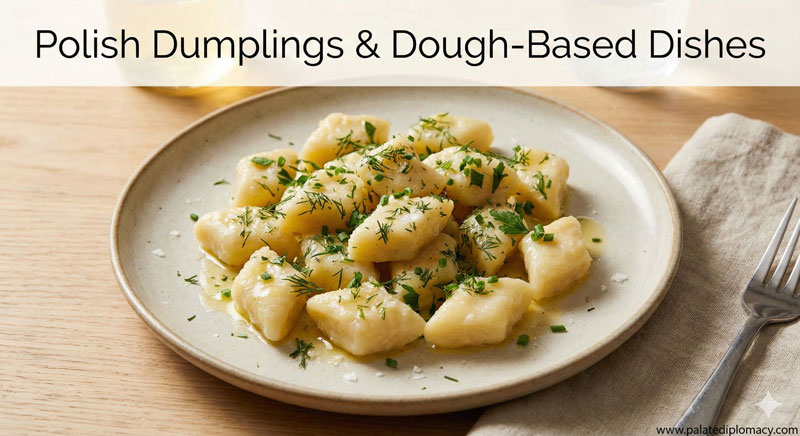
Kluski Śląskie are potato dumplings known for their little indent in the center. The look is unassuming, yet the effect is unmistakable: a sturdy but delicate bite that catches a hint of sauce. They come from the Silesian region, a place where people have long blended rustic ingredients with refined technique. The dumplings symbolize balance—between potato flesh and starch, between handwork and patience, between plain ingredients and a comforting, pervasive aroma of a home kitchen.
The Dough, The Shape, and The Texture
The appeal of Kluski Śląskie lies in texture as much as in flavor. The dough typically combines boiled potatoes, grated raw potatoes, a touch of starch or flour, and sometimes a small egg to help bind. The result is a dough that is firm enough to shape, yet tender enough to melt on the tongue. The signature is the well-formed disk with a shallow well pressed in the middle. That tiny crater isn’t decorative; it helps the dumpling cook evenly and hold sauce in a satisfying way. When the dumplings boil, they rise gently and slowly, signaling readiness with a subtle lift rather than a dramatic boil. The careful balance of moisture, starch, and potato sweetness creates a dumpling that feels both rustic and refined—an everyday luxury in a family kitchen.
Traditional Serving and Pairings
In homes across Poland, Kluski Śląskie find companionship in sauces that honor the dumpling’s soft bite. A classic mushroom or meat gravy, warmed with onions, brings depth without overpowering the potato flavor. A simple butter and fried onion topping also sings, allowing the dumplings to be the star of the plate. Some families enjoy them with stews or roasted meats, letting the dumplings scoop up the savory juices. The serving style is generous but thoughtful, designed to invite plenty of tasting and conversation. The dish adapts to seasons and occasions while preserving its core identity: a comforting, versatile partner to a hearty meal. In every bite, there is a sense of tradition that feels both clean and complete.
Cultural Significance and Family Traditions
Kluski Śląskie carry cultural value that goes beyond taste. They are a shared craft that binds generations. In many households, the process begins with potatoes—peeling, boiling, and cooling—followed by mashing and mixing with the right amount of starch. Some family members grate raw potatoes to integrate their starchiness; others help shape each dumpling with care, pressing the center to create the familiar dimple. This cooperative work becomes a quiet celebration of teamwork and patience, with laughter and stories weaving through the kitchen air.
The dish also marks time in the family calendar. It appears on festive tables and Sunday meals alike, reminding everyone that comfort and nourishment come from routine as much as from novelty. The song of the kitchen—a pot bubbling, a wooden spoon turning, and the soft thud of dumplings landing in a pot—becomes a soundtrack for togetherness. In this way, Kluski Śląskie is a bridge between generations, a culinary heirloom that travels from cooker to table, carrying memories of family tables, seasonal gatherings, and the shared craft of Polish home cooking.
Regional pride and culinary identity shine through these dumplings as well. While the method invites variation—different potato varieties, slight changes in starch, or personal tweaks—the core experience remains recognizable: a sturdy, comforting dumpling that appreciates a well-sauced plate. The dish invites both respect for tradition and a sense of curiosity, encouraging cooks to honor the old while allowing room for gentle personalization.
Regional Variations and Shared Language of Taste
Though Kluski Śląskie are strongly associated with Silesia, home cooks across Poland adapt the recipe to their own pantries. Some households favor a higher potato content for a denser bite; others lean on a touch more starch for extra hold. The resulting variations speak to a shared language of taste—the idea that simple ingredients can become something memorable through technique and care. This openness fosters conversation about family favorites, regional relatives, and the stories that each kitchen carries. In essence, the dish becomes a canvas where regional pride and personal history meet in a plate.
Practical Tips for Honoring the Tradition at Home
- Choose potatoes with good starch content for a soft, cohesive dough. A mix of floury and waxy varieties can balance texture.
- Drain and cool boiled potatoes well before mashing to prevent moisture from weakening the dough.
- Balance raw grated potato with mashed Potato and a small amount of starch to achieve a dough that holds its shape yet remains tender.
- Lightly flour your work surface and hands to prevent sticking, but avoid overworking the dough, which can toughen the dumplings.
- Shape each dumpling with patience, pressing a gentle indentation in the center. Uniform size helps even cooking.
- Test one dumpling first. If it falls apart, adjust by adding a touch more starch.
- Salt the boiling water well, and cook the dumplings in batches to keep the water at a gentle boil.
- Serve promptly with a sauce that respects the dumpling’s delicate texture—well-sugared onions, a mushroom gravy, or a rich meat sauce all work beautifully.
A Closing Note
Kluski Śląskie embodies a quiet elegance in Polish food culture. They teach us that nourishment can be a shared ritual, built on simple ingredients and careful technique. The dumplings invite us to slow down, to savor the moment, and to appreciate how a few humble elements—potatoes, starch, patience—come together to create something that nourishes both body and heart. In every kitchen where these dumplings are made, a little room opens for gratitude: for family, for tradition, and for the everyday beauty of cooking together.