
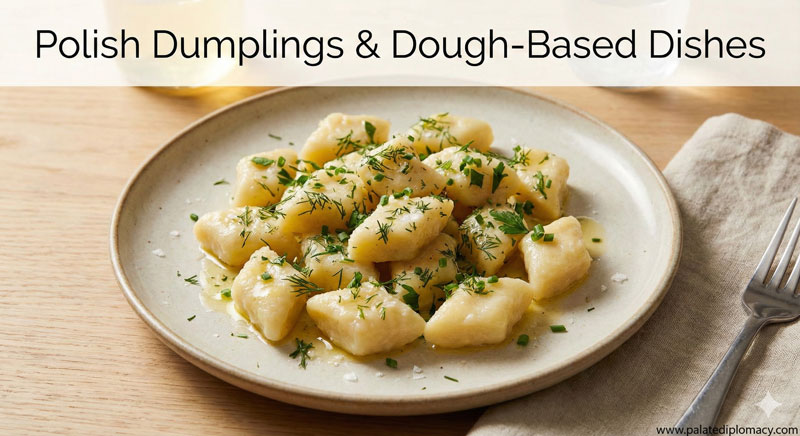
Kluski Śląskie: A Cornerstone of Polish Tables
Kluski Śląskie, or Silesian dumplings, hold a special place in Polish cuisine. They arrive at the table with a sense of welcome and care. Families gather around a shared pot of boiling water, and the dumplings seem to carry the warmth of home. This dish is more than food; it is a quiet celebration of tradition, skill, and seasonal abundance. Its presence invites people to slow down, to savor texture, and to enjoy the simple act of feeding one another well.
What makes Kluski Śląskie meaningful is how it connects people to a region and to time-honored methods. The dumplings reflect a practical, joyful side of cooking: turning humble ingredients into something comforting and refined. In every bite, there is a story of harvests, of family rituals, and of a cuisine that values balance between a soft interior and a delicate, glossy exterior. The dish stands as a bridge between generations, inviting younger cooks to learn from elders and to contribute their own touch while honoring a shared heritage.
The Ingredients and Craft: How the Dumplings Come to Life
The recipe centers on potatoes, a splash of flour, and a gentle touch of egg. Each ingredient plays a role in shaping the final texture. The dough blends softly, never forcing tension into the mixture. The tradition often uses a mix of potato types to achieve the right balance of moisture and structure. A hallmark is making a small well in the dough to form a hollow center, a feature that helps hold sauce and adds charm to the presentation.
Crafting Kluski Śląskie is a careful art. Hands cool the dough just enough to shape it. Roll, pinch, and roll again. Each dumpling is formed with attention, then lowered into salted water. The gentle boil lets the dumplings puff up, while the hollow centers keep their shape. This process teaches patience and precision, values that pass from one generation to the next. The method honors texture as much as flavor, highlighting How Polish cooks value the feel of a dish as much as its taste.
The Texture and Taste: What Makes Them Special
Kluski Śląskie offer a light, tender bite that seems to melt on the tongue. The potato gives a clean, comforting flavor, amplified by a subtle kiss of butter or a simple herb. The contrast between the soft interior and the polished outer surface creates a pleasing harmony. The hollow center acts Like a little saucer, cradling gravy, mushroom sauce, or melted butter as it spoons itself onto the dumpling. This interaction between form and taste is a small culinary genius worth noting.
The dish shines when paired with a well-chosen sauce. A rich beef gravy or a mushroom cream sauce enhances the dumplings without overwhelming their delicate character. The starch from the potato binds gently, allowing the sauce to cling rather than overpower. In this balance, you taste not only the dumplings but the philosophy of Polish comfort cooking: simple ingredients treated with care, elevated by technique and a quiet respect for the plate.
The Family Moment: Making Kluski Śląskie Together
The act of making Kluski Śląskie is often a family ritual. Parents pass the technique to children, who learn to shape the dumplings with steady hands. Conversation, laughter, and careful instruction happen at the same table where the pot boils. The process becomes a memory in motion, a recurring scene that families repeat with affection. The dumplings appear as a tangible link between generations, a way to keep tradition alive while inviting new energy into the kitchen.
Cooks may share tips across generations: how long to rest the dough, how to cool the potatoes, or how to test the dough’s tenderness. These details are a gentle form of storytelling, each step preserving a piece of local pride. The communal effort makes the dish more than sustenance; it becomes a shared experience that strengthens family bonds and deepens appreciation for regional flavors.
Serving Traditions: Sauces, Pairings, and Seasonal Meals
Kluski Śląskie shine when presented with appropriate accompaniments. A simple butter drizzle, a few breadcrumbs toasted in butter, or a light herb finish can illuminate their pale, inviting color. Many households pair them with hearty gravies or mushroom sauces, letting the dumplings act as a delicate counterpoint to richer flavors. The sauce is a chorus line that supports the dumplings without stealing the show.
Beyond sauces, the dumplings harmonize with seasonal Polish tables. They accompany roasted meats, braised cabbage, or fresh pickles, bringing texture and comfort to the meal. The dish adapts to different occasions—festive dinners, weekend family suppers, or quiet weekday meals—while maintaining its essential character. In each setting, Kluski Śląskie demonstrate how a humble dumpling can sing when paired with thoughtful sides and mindful plating.
The Cultural Value: Meaning in Polish Food Culture
In Polish food culture, Kluski Śląskie symbolize more than sustenance. They embody hospitality, regional pride, and a respect for craft. The dumplings tell a story of Silesia and of the broader Polish culinary landscape, where potato-based dishes anchor many tables. They celebrate skillful handwork and the patience to shape each piece by hand. They also honor a sense of balance—between earthy potato flavor and the polish of a glossy sauce, between soft inner texture and a firm outer bite.
This dish also offers a model for how food can anchor memory without becoming merely nostalgic. It invites cooks to celebrate regional identity while inviting others to discover its beauty, texture, and approach to comfort. The cultural value of Kluski Śląskie rests in its ability to be at once familiar and refined, everyday and special. It is a reminder that food can carry character, history, and warmth in a single, well-made bite.
A Simple Guide to Enjoying Kluski Śląskie at Home
- Choose ingredients with care. Look for smooth potatoes and a light flour to keep the dough tender.
- Handle the dough gently. Overworking can make the dumplings dense; a soft touch preserves their delicate texture.
- Shape with purpose. Create the hollow center to showcase sauce and ease eating.
- Cook with patience. Boil in salted water until they rise and float, then give them a moment to set.
- Pair thoughtfully. Succulent gravies or mushroom sauces enhance their flavor without overpowering the potato itself.
- Serve as a celebration of technique. Present them with care, letting the dumplings be the quiet stars of the plate.
Conclusion: A Dish That Bridges Taste and Tradition
Kluski Śląskie invites us to witness how simple ingredients can become meaningful cuisine. The dish stands as a warm invitation to gather, to learn, and to share. Its soft, comforting texture and its responsive sauce remind us that food can be a gentle educator of culture. When you sit down with these dumplings, you taste a long tradition of skilled hands and patient cooks who cherish the beauty of well-made food. In that moment, you experience not just a meal, but a living piece of Polish culinary heritage.