
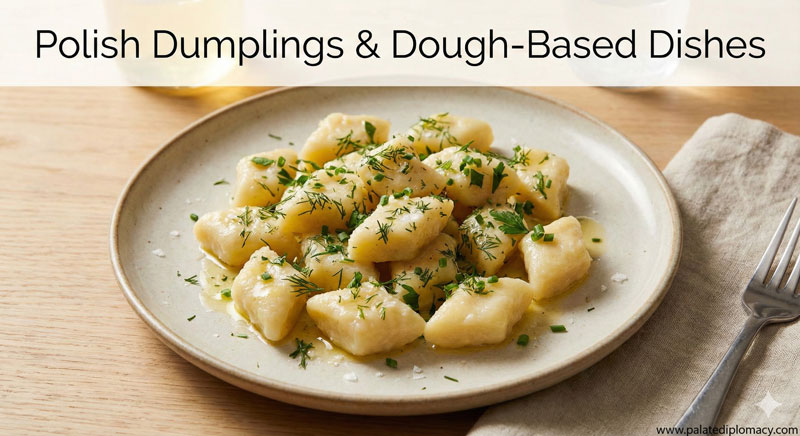
A Taste of Polish Heritage: Kluski Śląskie
Kluski Śląskie is more than a plate of dumplings. It is a quiet celebration of how simple ingredients become something deeply meaningful. In Poland, these potato dumplings invite warmth to the table and invite stories to unfold. They connect cooks of every generation to the rhythms of the family kitchen. When you bite into one, you taste not just potato and starch, but the care, patience, and pride that polish many Polish meals.
The Shape and Soul of the Dumplings
Kluski Śląskie are renowned for their distinctive form: small, round dumplings with a shallow well in the center. That tiny hollow is more than looks; it gathers sauce, butter, or gravy and carries it to the palate in a single, comfortable bite. The dumplings’ pale exterior and soft interior create a gentle texture contrast that echoes the balance found in traditional Polish home cooking. The shape itself has become a symbol of skillful technique passed down through kitchens, a tangible sign of attention to detail that elevates everyday meals into something memorable.
The Craft That Binds Generations
The preparation of Kluski Śląskie is a classroom in culinary patience. Cooks blend mashed or riced potatoes with a touch of potato starch, a binding egg often optional, and a pinch of salt. The goal is a dough that holds its shape without becoming stiff. Then comes careful rolling and hand-rolling into small spheres with the signature center well. Finally, gentle boiling in salted water completes the transformation from raw ingredients to a delicate, cohesive dumpling.
What makes this craft special is not just the result, but the care that goes into each step. Today’s home cooks and professional chefs alike honor a technique that rewards precision and restraint. The process teaches mindfulness and pride in craft, qualities that enrich conversations around the kitchen table and beyond.
From Family Table to Polish Cuisine Everywhere
Kluski Śląskie rose from the heart of Silesian cooking and spread across Poland, carried by households that value comfort, seasonality, and shared meals. In many towns, these dumplings appear at Sunday gatherings, family celebrations, and seasonal feasts. They pair with a simple gravy as well as with heartier sauces, proving their versatility. In every kitchen, they become a canvas for memory: a dish that recalls a grandmother’s voice, a winter dinner, or a summer family reunion.
This broad appeal rests on a few universal strengths. First, the dumplings rely on familiar ingredients—potatoes and starch—yet they offer a refined texture that feels both cozy and elegant. Second, they invite sauce to join the bite, turning every meal into a coordinated experience of taste and texture. Third, they adapt to personal preferences, accommodating variations in potato type, moisture, and seasoning without losing their essential character. These qualities help Kluski Śląskie remain a beloved staple across generations.
Regional Roots and a National Embrace
Śląskie, or Silesian, roots anchor the dish in a region known for its rich agricultural and culinary traditions. Yet the dumplings have traveled beyond their birthplace, becoming a unifying feature of Polish Cuisine. In cities and villages alike, cooks celebrate the dumplings as a bridge between regional authenticity and national love for hearty, well-crafted meals. The dish’s journey reflects a broader Polish culinary philosophy: honor where ingredients come from, respect technique, and welcome new interpretations while preserving core flavors.
In this sense, Kluski Śląskie stands as a testament to regional diversity within a shared dining culture. Each kitchen may add a touch of personal flair—perhaps a hint of nutmeg, or a particular kind of butter—but the essence remains the same: a small, perfect dumpling that carries big cultural resonance.
Traditional Pairings and Serving Traditions
A key part of the cultural value of Kluski Śląskie lies in how they are served. The most common pairing is with a delicious, clear meat gravy or with a robust mushroom sauce. In many homes, a savory meat dish or roast provides the main course, and the dumplings soak up the sauce to balance richness with gentle starch. Some cooks drizzle melted butter over the dumplings and finish with fresh herbs or toasted breadcrumbs for added aroma and texture.
Serving them with rosol, a clear chicken broth often enjoyed as a starter, is another cherished pattern in Polish dining. The dumplings absorb the warmth of the broth, creating a comforting combination that speaks to the heart of traditional meal-building: nourishment, balance, and a moment to slow down together.
Modern Twists, Yet Timeless Core
As Polish cuisine evolves, Kluski Śląskie invite contemporary interpretations while preserving their timeless core. Restaurants experiment with texture and flavor—some use starch blends to adjust chewiness, while others introduce subtle herb infusions or serve the dumplings with lighter, modern sauces. Yet even these innovations acknowledge the dish’s roots: a simple potato-based dough that yields a tender center and a satisfying bite.
Cooks also adapt Kluski Śląskie to dietary preferences, offering gluten-free or dairy-conscious versions without losing the dish’s essence. The adaptability of the recipe contributes to its longevity: it remains relevant, welcoming, and accessible to many cooks, from seasoned chefs to curious beginners.
A Simple Guide to Recreating the Experience
For those who wish to explore Kluski Śląskie at Home, approach the process as a small ceremony of culture and craft. Start with firm, starchy potatoes and a light dusting of potato starch. A touch of salt enhances the dough without masking its clean potato flavor. Form small dumplings, each with a gentle indentation to catch sauce. Boil them in salted water until they float and then a moment longer to ensure tenderness.
Pair with a savory sauce—beef goulash, mushroom ragout, or a classic gravy—so the dumplings can shine as the rightful ambassadors of the plate. Serve warm, with a little butter or a sprinkle of fresh herbs for color and aroma. The result is a dish that is at once simple and deeply satisfying—proof that culinary tradition can be both comforting and inspiring.
The Cultural Value: A Quiet Celebration on the Plate
Kluski Śląskie embodies a cultural value that goes beyond taste. They symbolize hospitality, care, and the joy of sharing a well-prepared meal. They remind us that a kitchen can be a place where stories are told, techniques are honored, and generations connect. The dumplings invite conversation about family rituals, seasonal cooking, and the beauty of everyday eating. In that sense, they are not just food; they are a cultural practice that fosters connection and gratitude.
A Dish That Connects Taste, Memory, and Place
In Polish kitchens, Kluski Śląskie stands at the intersection of place, memory, and craft. They celebrate the land’s bounty—potatoes harvested from fields, care in the boiling water, and the patience to shape each dumpling by hand. They connect people to their regional roots while inviting neighbors and visitors to share in a universally comforting dining experience. The result is a dish that feels both intimate and widely welcoming—an invitation to slow down, savor the moment, and appreciate the beauty of well-made food.
Conclusion: Why Kluski Śląskie Remains a Must-Try Dish
Kluski Śląskie is a testament to the power of simple ingredients transformed by skilled hands. Its cultural value lies in the rituals of preparation, the generosity of shared meals, and the region’s enduring culinary identity. Its culinary significance shows up in texture, balance, and versatility, offering a dumpling that can carry a range of sauces and moods. For anyone exploring Polish cuisine, Kluski Śląskie provides a clear, inviting doorway into a world of warmth, craft, and community at the table.