
How Kluski Śląskie Became a Must-Try Dish in Poland
Kluski Śląskie has earned a cherished place on Polish tables. This humble dumpling, born in the Silesian region, invites friends and families to gather, share, and savor. The dish speaks with quiet confidence about craft, tradition, and everyday joy. In this blog, we explore its cultural value and culinary significance, and we celebrate the beauty of a plate that brings people together.
A Simple, Versatile Dumpling with Deep Roots
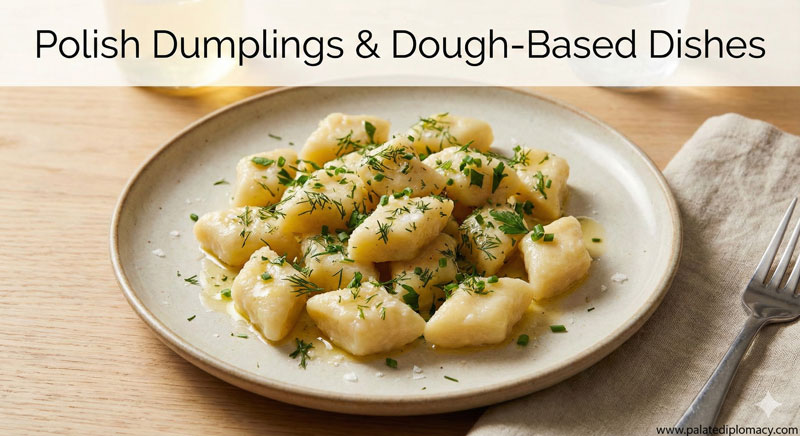
At its heart, Kluski Śląskie is a potato-based dumpling. The dough blends soft potatoes with a touch of starch and a gentle bind. The result is a plump, tender dumpling with a smooth surface and a tiny, inviting hollow in the center. That little dip is more than form; it cradles sauce and flavor, making every bite a balanced bite. The dish shines in its adaptability: it comforts with classic gravies and roasts, and it welcomes lighter mushroom sauces or tangy sauerkraut for a bright contrast. This versatility makes Kluski Śląskie a familiar friend across Polish kitchens, from rustic homesteads to modern restaurants.
The Craft: Making Kluski Śląskie
Crafting these dumplings is a tactile pleasure that travels through hands and generations. cooks begin with well-cooked, cooled potatoes, mashed until smooth. They fold in a measured amount of potato starch (and sometimes a small amount of egg) to lift the dough just enough for a soft bite without becoming heavy. The dough is rolled into shapes, then gently shaped into small ovals with a shallow indentation. The work is steady, not hurried, and that calm rhythm is part of the dish’s charm. In boiling salted water, the dumplings rise to the surface when ready, and they are spooned out with care to keep their delicate centers intact. The result is a dumpling that feels both sturdy and silky in the mouth, a little sphere of comfort that glides through a savory sauce.
A Plate That Bridges Generations
Kluski Śląskie has a way of binding generations at the table. Grandparents share memories of long Sundays, when pots simmered with meat, onions, and a gravy that smelled like home. Parents teach children how to pinch the dough and fashion the hollow center, turning a simple recipe into a family ritual. The dish travels with its stories—from a grandmother’s kitchen to a first apartment’s stove—carrying the warmth of shared meals. In this sense, Kluski Śląskie is more than food; it is a vessel of connection, inviting talk, laughter, and the careful passing of technique from one generation to the next.
Regional Pride and the Polish Table
Silesia, the homeland of these dumplings, contributes a distinctive thread to Poland’s culinary tapestry. The region has long celebrated hearty, nourishing dishes suited to harvest seasons and festive gatherings. Kluski Śląskie embodies that spirit: simple ingredients elevated by skill, patience, and respect for tradition. Yet the dish is not confined to a single village or kitchen. It has traveled through Poland, becoming a familiar comfort on many menus. Its presence across the country highlights how regional specialties can become national treasures when they are prepared with care, shared with joy, and connected to everyday meals.
Pairings, Occasions, and Variations
What makes Kluski Śląskie especially appealing is how naturally it pairs with a range of accompaniments. A rich roast and a smooth gravy spread over the dumplings creates a classic, satisfying plate. Mushroom sauces bring earthy depth, while tangy onion gravy offers bright contrast. A platter with braised meat and braised cabbage or sauerkraut creates a balanced, festive feel for family gatherings. Seasonal variations appear in homes as cooks adapt the dish to whatever ingredients are available, keeping the tradition alive while adding personal touches. The result is a dish that can feel both timeless and newly discovered, depending on the setting and the company at the table.
The Rise of a Must-Try Dish in Poland
Kluski Śląskie became a must-try through a blend of everyday accessibility and culinary storytelling. Home cooks discovered that the dumpling could be made with simple ingredients and standard kitchen tools, making it approachable for Beginners and satisfying for experienced cooks alike. Cookbooks, recipe blogs, and cooking shows helped spread technique and appreciation, while restaurants added their own touches—yet the essence remained the same: a well-made potato dumpling that carries comfort and character. The dish’s growth reflects a broader Polish love of well-prepared, honest food that honors regional roots while fitting into modern dining. In short, it rose because it is generous, reliable, and delicious.
Experience It: Tips for Finding or Making Kluski Śląskie
- Look for the center hollow: The signature indentation helps the dumpling catch sauces. If you’re making them, practice shaping a shallow well with your thumb or the end of a spoon.
- Seek fresh ingredients: Fresh potatoes and a light touch with starch yield the softest texture.
- at Home: Boil the potatoes until just tender, then mash them smoothly. Add just enough starch to bind without making the dough stiff. Roll, indent, simmer gently in salted water, drain, and serve promptly for best texture.
- In restaurants: Request a plate with a generous gravy and a side of sautéed mushrooms or braised cabbage. A touch of crispy bacon or crackling can add a delightful savory contrast.
- Seasonal meals: Pair Kluski Śląskie with harvest-season meats and root vegetables for a plate that feels connected to the season.
A Gentle Invitation to Every Table
Kluski Śląskie invites calm attention and shared enjoyment. Its beauty lies in the quiet confidence of its texture, the gentle balance of potato and starch, and the way a single plate can carry stories of family, region, and tradition. It is a dish that politely asks to be tasted, then remembered, then shared again. Whether you encounter it in a grandmother’s kitchen, a cozy bistro, or a modern Polish dining room, the dumpling offers a moment of warmth and connection. In that moment, culture—rooted in place and passed along with care—feels fresh, inviting, and deeply respectful.
If you’re exploring Polish Cuisine, start with Kluski Śląskie. Appreciate the craft, savor the texture, and listen for the stories that accompany each bite. In doing so, you’ll discover why this simple dumpling has become a welcome staple—an emblem of hospitality, a celebration of regional pride, and a delightful medium for shared meals.