
Introduction: A regional favorite that became a national must-try
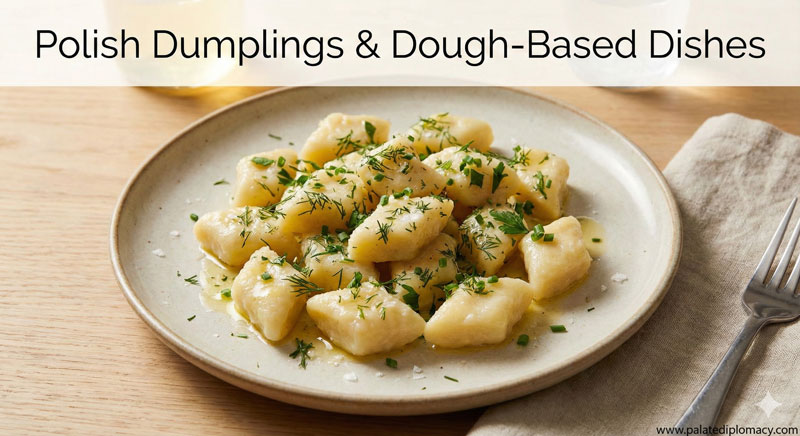
Kluski Śląskie, the soft potato dumplings of Silesian origin, have found a warm place on many Polish tables. Their appeal lies in texture, aroma, and the comfort they bring to a meal. In kitchens across Poland, these small discs with a gentle dent on top invite people to slow down, savor the moment, and share a moment of everyday joy. Over time, their charm has traveled beyond the borders of one region and into the wider Polish dining scene. Today, they stand as a symbol of home cooking, regional pride, and friendly hospitality.
The craft behind Kluski Śląskie: texture and technique
What makes Kluski Śląskie special is the balance between a smooth exterior and a light, fluffy interior. The dough is usually built from well-mried potatoes, a touch of potato starch or flour, and sometimes a small egg to bind. The mix is kneaded gently, then rolled into small rounds and pressed with a finger to form a shallow indentation. This tiny well is more than a pretty feature; it helps the dumpling catch sauces and gravies in just the right way. When boiled, the dumplings rise to the surface, signaling they are ready. The result is a dumpling that holds its shape while remaining delicately tender inside. Chefs and grandmothers alike emphasize patience and gentle handling—these dumplings reward careful hands and a quiet kitchen pace.
From family tables to vibrant restaurants: a cultural journey
Kluski Śląskie began in family kitchens, where cooks refined the recipe with local potatoes and instinctive technique. As Polish dining expanded beyond the home, the dish found welcoming spots on the menus of bistros and regional eateries. Diners discover how the dumplings pair with a range of sauces, from mushroom gravies to rich beet or beef stews. The dish also becomes a canvas for regional identity: cooks highlight local produce, traditional seasonings, and the soothing rhythm of a well-practiced kitchen. This bridge between home craft and public dining keeps the dish relevant, approachable, and deeply rooted in Polish food culture.
Serving traditions: sauces, pairings, and meals
A classic match for Kluski Śląskie is a savory gravy, often mushroom-based, with a touch of onion for sweetness. Beef or pork stews add heartiness, while a simple butter finish and a sprinkle of breadcrumbs give a delicate crunch. In lighter meals, a mushroom cream sauce or a vegetable medley can offer a modern twist while keeping the dish grounded in tradition. The dumplings also shine with roasted meats, cabbage dishes, or simple fried onions. This versatility makes Kluski Śląskie a dependable choice for both everyday dinners and special occasions, inviting cooks to experiment while honoring a time-honored method.
The emotional and cultural value: memory, identity, and shared meals
Beyond taste, Kluski Śląskie carry cultural value that resonates with many people. They symbolize a connection to regional heritage and to generations who perfected the technique in familiar kitchens. The dish invites conversations about harvest, seasonality, and the pleasures of well-made food. It also celebrates the joy of sharing a meal with family and friends, where a humble dumpling becomes a small moment of togetherness. In this way, the dish contributes to a sense of belonging and continuity in Polish food culture. Each plate becomes a quiet testament to craft, care, and community.
How to experience Kluski Śląskie today: tips to enjoy
To appreciate the dish fully, look for it in places that showcase regional cooking and seasonal ingredients. In homes, try a gentle, mindful approach: boil the dumplings until they rise, then toss them with a warm sauce and a finishing touch of herbs or fried onions. In restaurants, ask for the mushroom gravy or a local meat stew that complements the dumplings’ soft texture. If you cook at home, start with fresh potatoes and a light hand with starch; the goal is a dumpling that is tender yet cohesive. Allow the aroma of potatoes and starch to fill the kitchen as a reminder of simple dishes done well. Enjoy the warmth, the texture, and the quiet elegance of a dish that brings people together through taste.
Conclusion: a timeless piece of Poland’s culinary tapestry
Kluski Śląskie are more than a tasty side dish. They embody regional craftsmanship, a shared dining culture, and the comforting goodness that many Polish Families reach for after a busy day. Their rise from a local favorite to a widely cherished staple reflects how a well-made dumpling can carry memory, identity, and delight across generations. For anyone exploring Polish Cuisine, Kluski Śląskie offer a gentle invitation to savor texture, celebrate seasonality, and experience the beauty of a dish that respects tradition while inviting modern enjoyment.