
Introduction
Kluski Śląskie, known in English as Silesian dumplings, are a gentle joy in Polish kitchens. This potato-based treasure began in the Silesia region and has since become a must-try dish across Poland. The dumplings offer a comforting texture, a delicate balance of flavor, and a sense of belonging at the table. Read on to discover how this humble dish earned its place in Polish food culture and why it remains a favorite for cooks and diners alike.
The soul of Silesian dumplings
In Silesia, food has long carried the warmth of family gatherings and seasonal celebrations. Kluski Śląskie grew from practical ingredients—potatoes, a touch of flour, and sometimes an egg—into something more: a symbol of care and hospitality. The dumplings’ soft exterior, with a tiny hollow in the center, mirrors the gentle patter of conversations around a busy table. As they traveled beyond their homeland, they carried with them stories of harvests, neighborhood kitchens, and shared meals. Today, the dish stands as a quiet ambassador of Polish comfort cooking, inviting people to slow down and savor the moment of a good meal.
Craft and flavor: how Kluski Śląskie are made
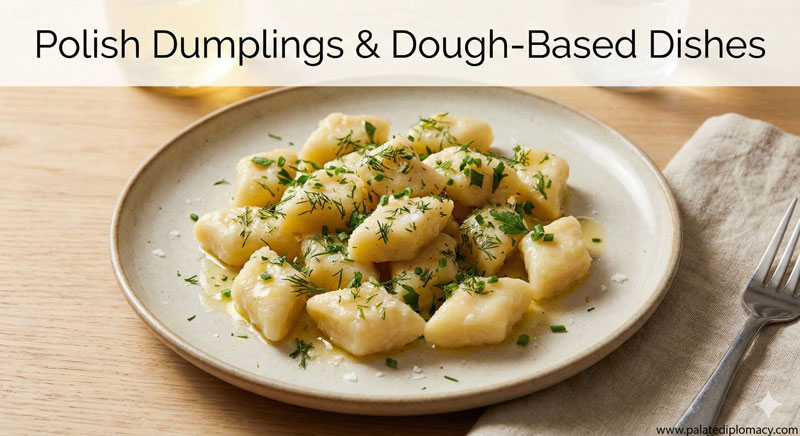
The heart of Kluski Śląskie lies in balance. Potatoes provide the body, and a small amount of flour or potato starch tins the dough so it stays tender. Some cooks blend mashed potatoes with a portion of grated raw potato to add a touch of starchiness; others prefer a simpler route with mashed potatoes and a binding egg. The dough is gently worked, then rolled into small, round shapes. Each dumpling gains a shallow indentation in the center, a signature mark that helps hold sauce and gravy. They are boiled in salted water until they float, then carefully lifted to rest before serving. The result is a pale, pale-gold exterior with a private little well in the middle. This structure makes them ideal for soaking up sauces and gravies without losing their delicate bite.
Culinary significance and serving rituals
Kluski Śląskie shine most when they meet a savory companion. They pair beautifully with mushroom gravy, a classic Polish sauce that echoes the forest’s flavors. Butter and breadcrumbs add a subtle crunch and sheen, while a drizzle of onion gravy can elevate the dumplings with depth. The dumplings also harmonize with roasted meats, sausages, or a simple vegetable medley. The beauty of these dumplings lies in their ability to bridge humble ingredients with refined plate presence. They absorb the character of the sauce around them, yet retain their own gentle texture and shape—a small triumph at the dining table.
A symbol in Polish dining
Across homes and eateries, Kluski Śląskie are seen as a unifying thread in Polish cuisine. They appear on Sunday meals, holiday tables, and seasonal menus, reminding us that food is a shared ritual. The dish invites conversation, encourages a relaxed pace, and celebrates the skill of the home cook. With every bite, you sense a lineage of family recipes and regional pride, carried forward with care. The dumplings demonstrate how a regional specialty can become a national favorite, appreciated for both its technique and its emotional resonance.
Modern day significance and the must-try moment
Today, Kluski Śląskie are celebrated in restaurants that honor Polish tradition and in cozy kitchens where family recipes are cherished. They are listed among must-try Polish dishes for visitors seeking an authentic taste of the country’s comfort foods. The dish also inspires home cooks to experiment with local ingredients while preserving the dumpling’s core technique. From a simple family supper to a plate in a contemporary bistro, Kluski Śląskie offer a bridge between generations and between rustic flavors and refined presentation. The result is a dish that feels both timeless and accessible.
Pairings and serving traditions for the table
The best way to enjoy Kluski Śląskie is with something savory that lets the dumplings shine. A robust gravy or mushroom sauce keeps the center tender and the edges glossy. A light butter drizzle and a pinch of fresh herbs can brighten the dish without overpowering its gentle character. For a heartier presentation, serve the dumplings alongside roasted meat, caramelized onions, or a friendly pork accompaniment. The key is to let the dumplings do what they do best: soak up flavor while maintaining their soft, comforting texture.
How to enjoy Kluski Śląskie at home
If you’d like to bring this dish to your table, start with good potatoes—preferably starchy varieties that yield a fluffy mash. Boil, peel, and mash the potatoes while still warm. Add a binding agent such as potato starch or a small amount of flour, plus an egg if you Like a firmer bite. Shape the dough into small balls, making a gentle dimple in each center. Boil in salted water until they rise to the surface, then drain and rest briefly. Finish with a sauce, melted butter, or a light crumb topping. This approach makes it easy to recreate the dish with comforting results, even on a weeknight.
A welcoming invitation to taste
Kluski Śląskie offer more than a meal; they offer a moment of connection. The dish’s tender bite and quiet elegance invite you to experience Polish comfort cooking in a new light. Whether you enjoy them at a family table, a cozy cafe, or a polished restaurant, you’ll taste the care that goes into every dumpling. For travelers and locals alike, Kluski Śląskie are a gentle invitation to pause, savor, and celebrate the beauty of Polish culinary tradition.
Conclusion
Kluski Śląskie have earned their place as a must-try dish in Poland through a blend of humble ingredients, careful technique, and a deep sense of cultural belonging. They embody the warmth of shared meals and the artistry of regional cuisine, while remaining accessible to home cooks and curious diners. If you seek a dish that honors tradition while inviting exploration, the Silesian dumplings welcome you with a soft bite, a delicate center, and a story worth tasting.