
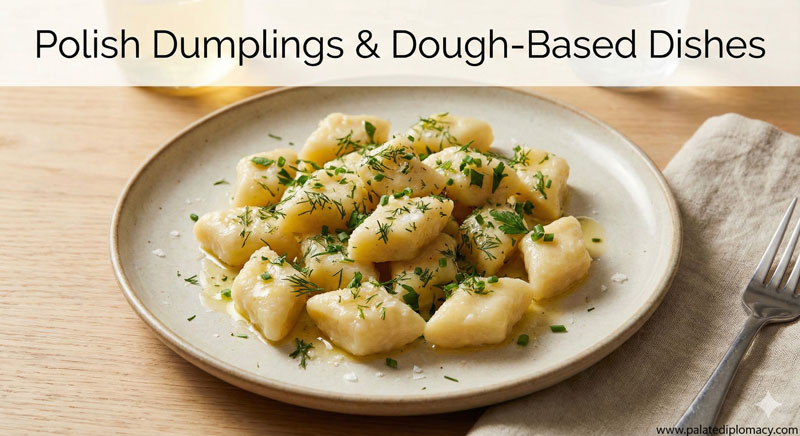
Kluski Śląskie: A Dish of Home and Heritage
Kluski Śląskie sits at the heart of many Polish dining rooms. It brings warmth, aroma, and a quiet sense of belonging to the table. The dish speaks through its simple ingredients and its gentle texture. Families gather around the stove and The Story unfolds alongside the food. The dumplings are small, round, and touchingly soft. Each one bears a shallow hollow in the center, ready to cradle sauce. This thoughtful shape embodies a balance between comfort and craft. In its quiet way, Kluski Śląskie celebrates the craft of home cooking and the culture that fills the kitchen with life.
What Are Kluski Śląskie?
Kluski Śląskie are potato dumplings tied to the Silesian region, but loved across many Polish homes. They are made from a blend of mashed potatoes, potato starch or flour, and a light binding ingredient such as a small egg. The dough is shaped into small balls, and the thumb presses into the center to form a delicate indentation. When boiled, the dumplings become tender and airy, with a subtle chew that invites a sauce to cling. The result is a dumpling that feels both rustic and refined—simple ingredients doing a satisfying, unified job.
The Craft of Making: A Family Moment
The preparation often becomes a shared ritual. One person peels the potatoes; another scrapes the husk of the board. Potatoes are boiled, cooled, and mashed, while others measure starch and flour. The dough comes together with gentle hands, never pressed too hard, so it stays light. Then comes shaping: roll, cut, and press the hallmark notch in each piece. Finally, the dumplings glide into simmering salted water and rise to the surface as a sign they are ready. In each step, listening to the pot hiss and watching the steam rise, families trade stories and laughter. The process turns cooking into a time for connection and memory.
Serving Traditions and Flavors
Kluski Śląskie shine when they meet a sauce or topping that carries depth. Typical pairings include:
- A rich mushroom gravy (pieczarkowy sos) with onions and herbs.
- A savory meat gravy from roast pork or beef, with a few spoonfuls of the pan juices.
- A simple, comforting option of melted butter with a sprinkle of breadcrumbs and a touch of fresh chives.
The dumplings also pair beautifully with seasonal vegetables, offering a gentle counterpoint to the bold flavors on the plate. The result is a plate that feels complete—soft dumplings catching the sauce, while the aromas of butter, mushrooms, and meat mingle in the air.
A Symbol of Family Identity
This dish is more than sustenance; it is a shared culture of taste and memory. Kluski Śląskie represents the ingenuity of homes that make the most of simple ingredients. It carries the scent of childhood kitchens and the pride of regional flavor. For many families, the dumplings become a small ceremony of care—one generation teaching another how to balance texture, heat, and timing. Over time, the recipe becomes a family heirloom, a touchstone that signals welcome and belonging at the table.
Tips for Preserving Texture and Flavor
- Choose potatoes with a starchy character for a fluffy, light dough. Drain well and cool slightly before mashing.
- Use potato starch or a light touch of flour to bind; avoid overworking the dough to keep the dumplings soft.
- Form a shallow indentation in each piece with a gentle touch so the sauce has a place to settle.
- Boil in plenty of salted water, in batches to prevent sticking. They’re ready when they float and a little longer for tenderness.
- If the dough feels too sticky, dust lightly with starch and handle gently.
- Serve soon after cooking for the best texture, though reheating gently with a little butter can recapture softness.
Modern Twists While Keeping Tradition
Many cooks enjoy variations that honor the familiar, comforting core of Kluski Śląskie. Some ideas:
- Gluten-conscious or gluten-free versions using potato starch alone, keeping the dough light and tender.
- Egg-free adaptations for households that prefer them, using a touch more starch to bind.
- Fresh herbs or minced chives stirred into the dough for a delicate aroma.
- A drizzle of browned butter with crispy breadcrumbs and a hint of nutmeg for a warm finish.
These twists preserve the dish’s essence—that soft center, a little hollow for sauce, and a gentle chew—while inviting new flavors and practices to the table.
Invitation to Create Your Own Kluski Śląskie Moment
If you are new to Kluski Śląskie, begin with the basics and let the kitchen become a place of quiet ceremony. Gather potatoes, starch, and a light binding, and invite someone you care about to shape a dumpling or two. Notice how the textures emerge, how the hollow holds a splash of sauce, and how the aroma fills the room. Share the first bite slowly, savor the tenderness, and let the conversation flow. In this simple act, you are participating in a living tradition that many Polish families cherish. The dish offers a gentle reminder that food can bind people together with kindness, care, and a shared sense of place.
In the end, Kluski Śląskie is more than a recipe—it is a celebration of family, region, and the nourishing beauty of home cooking. It invites curiosity, invites partnership in the kitchen, and invites everyone to taste a dish that has carried warmth through generations. Whether you cook it as a Sunday ritual or a cozy weeknight supper, the dumplings welcome you to a table where tradition and affection meet.