
Discover the Unique Taste of Kopytka in Poland
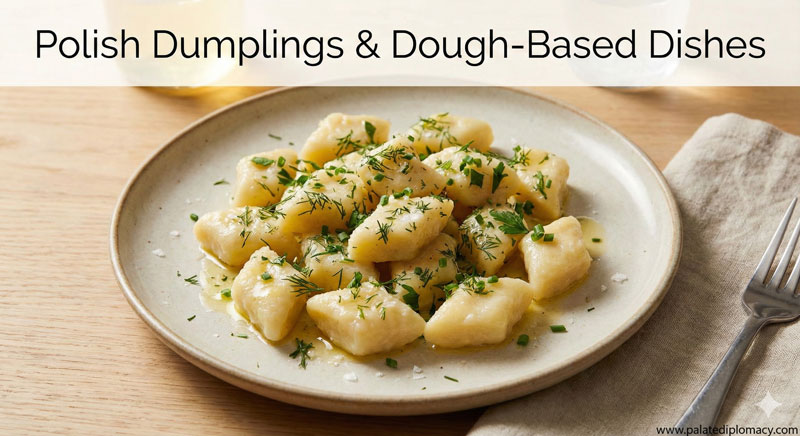
Kopytka is a treasured dish in Poland. It is a soft potato dumpling with a gentle, comforting bite. The flavor is simple, but it speaks clearly of Polish home cooking. This dish sits at the center of many family kitchens, inviting warmth and conversation. Its cultural value comes from how it brings people together at the table.
How Kopytka is Made: A Simple, Rustic Craft
Kopytka starts with a few basic ingredients: potatoes, flour, an egg, and a pinch of salt. The potatoes are cooked, peeled, and mashed until smooth. The dough comes together when flour is added with care, just enough to hold shape. The dough is rolled into long ropes, cut into small pieces, and lightly pressed with a fork to create ridges. Finally, the dumplings boil in salted water until they rise to the top. This simple process honors a craft handed down through generations.
Taste, Texture, and the Comfort It Brings
The bite of kopytka is tender and airy, with a soft, almost pillowy center. The texture carries a hint of starch and a touch of chew from the dough. The flavor remains mild, which makes it a perfect partner for sauces and toppings. When finished with browned butter and breadcrumbs, the dish gains a warm, toasty note. The result is a comforting canvas for many Polish pantry flavors.
Kopytka in Polish Meals: A Cultural Staple
Kopytka often appears as a dependable main dish or a hearty side. It pairs beautifully with seasonal vegetables, mushrooms, or a braised dish. The dish also graces festive tables, where families share a moment of togetherness. Children learn to shape dumplings, turning kitchen time into a family ritual. In daily meals, kopytka shows how simple ingredients can create meaningful traditions.
Regional Variations and Modern Twists
Across Poland, you will find small differences that brighten the dish. Some kitchens prefer a slightly thinner dough, while others keep it thicker for extra bite. Sauces vary as well: butter with breadcrumbs, mushroom sauce, or a dollop of sour cream can change the mood of the plate. Even the toppings can reflect local tastes, from grated cheese to a light herb finish. These variations honor local harvests and personal flair while keeping the core idea intact.
Serving Traditions and Pairings
Kopytka shines with a careful balance of textures and flavors. A warm plate of kopytka with melted butter and toasted breadcrumbs invites a delicate crunch. Creamy sauces add depth without overpowering the dumplings. A side of sautéed greens or a fresh salad brings brightness to the meal. In Poland, the dish often stands comfortably beside meat, fish, or simply vegetables, making it versatile for many occasions.
The Place of Kopytka in Polish Food Culture
Kopytka reflects the beauty of Polish cooking: practical, flavorful, and generous. It celebrates the bounty of the season and the joy of sharing a simple meal. The dish teaches patience and care, from selecting potatoes to shaping each piece. It is a quiet ambassador for hospitality, inviting guests to linger at the table. Through kopytka, families pass along techniques, stories, and a sense of belonging.
Tips for Recreating Kopytka at Home
- Choose potatoes with good starch and drain them well after mashing.
- Add flour gradually to form a dough that holds together without being stiff.
- Use just enough egg to help bind the dough. Too much can make the dumplings dense.
- Roll evenly and cut into uniform pieces for even cooking.
- Boil gently in salted water and test one piece for texture before finishing the batch.
- Finish with a small amount of butter or a favorite sauce to lift the flavor.
A Letter to Food Lovers: Why Kopytka Shines
Kopytka is more than a dish; it is a celebration of everyday beauty. Its taste carries the memory of family kitchens and shared meals. The dish invites curiosity about textures, sauces, and regional pride. By embracing kopytka, you join a long line of cooks who value simplicity, craft, and community. The Unique Taste of this Polish potato dumpling welcomes you to explore, savor, and savor again.