
The Story Behind Kopytka, a Polish Food Favorite
The Dish at a Glance
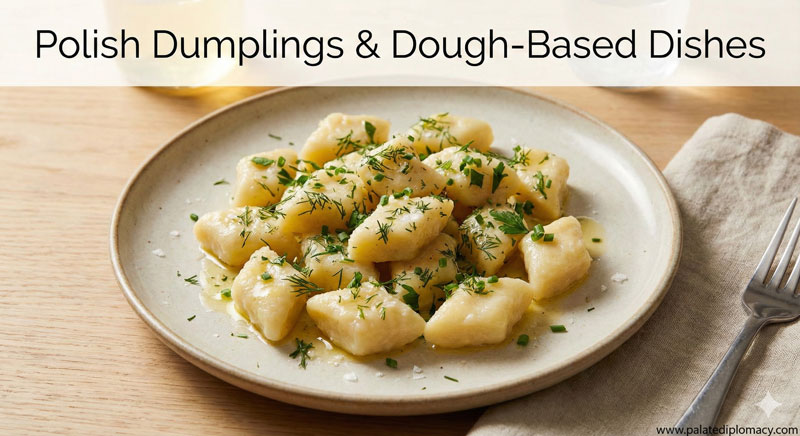
Kopytka are soft, comforting dumplings from Poland. They blend mashed potatoes with flour and a touch of egg to form a gentle dough. The name suggests a small, hoof-like shape, playful and inviting. Cooks poach them gently in salted water, then often finish with a quick sauté in butter. The most-loved serving pairs include browned butter with breadcrumbs, a dusting of sugar for a hint of sweetness, or a mushroom sauce for a savory finish. In every bite, the dish carries a sense of home and seasonal welcome.
The Craft of Kopytka
The beauty of kopytka lies in balance and technique. First, potatoes are cooked until tender, then mashed until smooth and cooled. Next, flour and a beaten egg join the mash to form a soft, pliable dough. The dough rests briefly, then is rolled on a floured board and cut into short, rounded shapes. Finally, the dumplings glide into simmering salted water. They rise when ready, and a light toss in butter adds shine and a gentle crust. The method invites patience and care, and the result rewards focus with tenderness and a clean potato flavor.
Regional Echoes in Polish Kitchens
Across Poland, kitchens celebrate kopytka in slightly different ways, while keeping a shared love for the dish’s simplicity. Some families favor a firmer dough for a sturdier bite, while others chase an almost creamy interior. A few cooks enrich the dough with a pinch of salt or a whisper of nutmeg to echo regional pantry notes. In many homes, kopytka are a reliable option for a cozy weekday dinner, yet they also shine on festive tables when butter and breadcrumbs glisten in the pan. The variations remind us that a single dish can speak in many regional voices, all rooted in the same comforting idea.
Texture, Balance, and Flavor
Kopytka celebrate texture in a thoughtful way. The inner crumb is light and tender, Like a soft potato cloud, while the exterior gains a subtle richness from butter when skillet-finished. The starch from the potatoes blends with flour to create a cohesive bite that doesn’t feel heavy. This balance makes the dish flexible: it can be gently sweet with a sugar-sprinkled top, or deeply savory with a rich sauce. The result is a versatile canvas that invites cooks to tailor the flavor to the moment, season, or company.
Serving Traditions and Moments
Kopytka bring people together in shared meals and quiet conversations. They appear on family tables after a day of cooking and farming, offering warmth on cool evenings. A typical serving pairs with browned butter, toasted breadcrumbs, and a scattering of chopped herbs. For a sweeter touch, a light dusting of sugar or a cinnamon-sugar mix feels comforting and bright. In other kitchens, a creamy mushroom sauce or a drizzle of herb oil complements the dumplings with umami and aroma. Each serving becomes a small celebration of everyday life and culinary care.
Modern Twists, Timeless Value
Today, chefs and home cooks experiment with gentle twists while preserving the dish’s heart. Some add roasted garlic puree or chives to the dough for a mild herb lift. Others fold in a whisper of soft cheese for extra creaminess. Seasonal vegetables can be folded into the sauce, providing color and brightness. Yet even amid these changes, the core idea remains: kopytka are a daily reminder of resourcefulness, warmth, and the joy of sharing a well-made plate. The dish travels easily from a simple kitchen routine to a sophisticated, comforting course in a modern menu.
The Story Tied to Season and Home
The cultural value of kopytka lies in its ability to anchor meals to memory and season. It is a dish that families learn by doing: the rolling pin, the mark of a well-cut piece, the moment the dumplings rise in the pot. It reflects a cultivated simplicity—humble ingredients treated with care to reveal depth of flavor. in Polish homes, kopytka often accompanies conversations about the day, plans for the week, and the small rituals of gathering around the table. They become a bridge from one generation to the next, passing along a language of nourishment that prefers nourishment done well.
A Gentle Invitation to Explore
If you seek a dish that embodies warmth, technique, and cultural charm, kopytka offers a welcoming path. Start with clean potatoes, simple flour, and a single egg. Embrace the quiet patience of boiling, then savor the moment when a pat of butter meets a hot pan. Serve with a buttery crumb topping, a silky mushroom sauce, or a gentle sprinkle of sugar for a touch of sweetness. In every variation, kopytka honors Polish culinary spirit: practical, soulful, and quietly elegant. The next time you welcome guests to the table, consider this humble dumpling as a storyteller of home, craft, and shared flavors.