
The Story Behind Kopytka
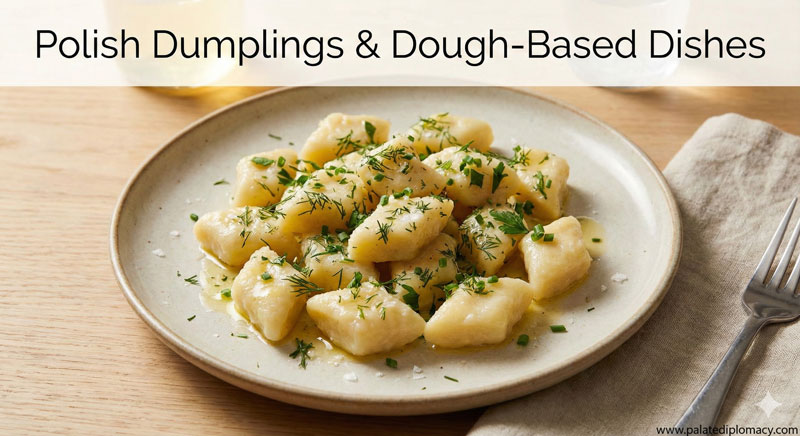
Polish cooks make Kopytka as soft potato dumplings. The name comes from the word kopyta, meaning hooves, a playful nod to their plump, rounded shape. The dumplings appear in kitchens across Poland, from cozy village homes to crisp city kitchens. They tell a story of harvest time, family warmth, and simple craft. The technique is approachable, and the result feels timelessly comforting. Kopytka celebrate how humble ingredients can become something gently satisfying.
A Staple of Polish Home Cooking
Potatoes sit at the heart of Kopytka. Cooks first prepare them into a smooth mash, then blend in flour and a touch of egg. The balance between potato and flour gives tenderness without heaviness. Rolling the dough into thin ropes, then cutting into short, gentle pieces creates the familiar shapes. A quiet boil in salted water finishes the work, and the dumplings rise to the surface when ready. These dumplings are a reliable canvas for flavor, ready to wear many toppings with grace.
Texture and Flavor: What Makes Kopytka Special
The beauty lies in texture. The interior stays soft and light, while the outer edges hold a delicate bite. The dough is simple, letting the starch of the potato shine. A hint of butter can lightly glaze the surface, bringing shine and aroma. Breadcrumbs toasted in butter add a warm, nutty crunch. Mushrooms, onions, or a smooth sauce can accompany them, each adding a different mood while preserving the dish’s gentle character. The result is comforting without being heavy, a small celebration of everyday elegance.
Regional Twists and Serving Traditions
Across Poland, families add their own touches. In some regions, you might see a dash of egg for a silkier dough. Others prefer a thicker bite with a bit more flour. Serving styles vary too. Some enjoy Kopytka with melted butter and breadcrumbs; others pair them with mushroom gravy or a light sour cream. For a touch of sweetness, a sprinkle of sugar with cinnamon or a spoon of fruit preserves can turn them into a dessert moment. These variations show how a single dish travels through places and families, gathering small rituals along the way.
A Dish for Any Moment
Kopytka fits many occasions. It accompanies hearty meat dishes or shines solo with a fond memory of home. It adapts to seasons, offering warmth in cold months and a gentle, fresh note in lighter meals. The dish invites sharing, conversation, and a pause to savor simple flavors. In every version, Kopytka remains a quiet anchor of Polish food culture.
Cooking as Cultural Expression
Preparing Kopytka is more than making food; it is a moment of cultural expression. Families pass down a method, a rhythm, and a sense of place. Each boil, each roll, each cut carries care and tradition. The dish builds connection—between cooks, neighbors, and the memories tied to a familiar flavor. It stands as a testament to how a straightforward recipe can carry meaning beyond taste, inviting appreciation for craft, season, and home.
Conclusion: A Warm, Respectful Celebration of a Polish Favorite
Kopytka embodies warmth, practicality, and shared joy. Its role in Polish cooking is clear: a comforting, versatile dumpling that honors simple ingredients and careful technique. The dish invites us to slow down, notice texture, and celebrate family meals. In every bite, Kopytka reflects a culture that loves hospitality, seasonal produce, and the quiet beauty of a well-made dumpling.