
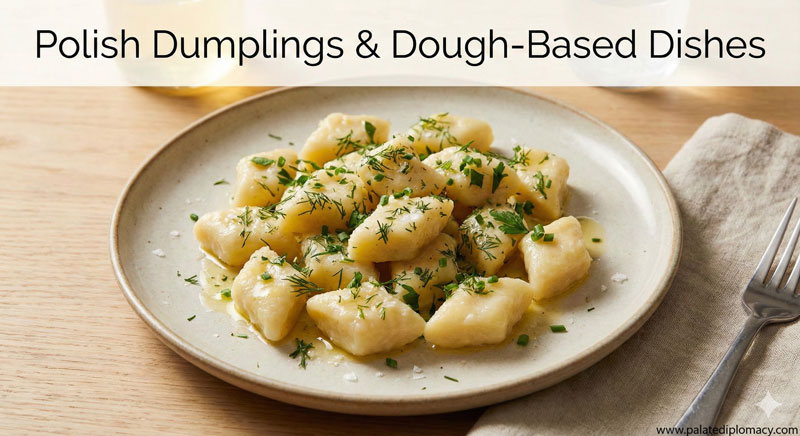
The Story Behind Kopytka, a Polish Food Favorite
Kopytka is more than a plate of dumplings. It is a gently shared memory in Polish kitchens. The dough comes from simple ingredients: potatoes, flour, eggs, and a pinch of salt. Yet the result feels timeless—soft in texture, bright with subtle potato flavor, and inviting in its versatility. The name kopytka hints at shape, as the dumplings resemble tiny hooves. This small detail anchors a larger story: cooking as a quiet, daily act that connects generations.
What Kopytka Are and How They Are Built
Kopytka are potato-based dumplings. The potatoes form the soft base, while flour binds them into a cohesive dumpling. An egg or two helps the dough hold together. A touch of salt completes the flavor. The result is a pale, pillowy bite with a delicate chew. Some cooks adjust the ratio of flour to potato to shape the final texture, making the dumplings a little sturdier or a touch lighter. The beauty lies in balance and patience during mixing.
The Craft: Making Kopytka
First, boil or steam starchy potatoes until they’re tender. Then peel and mash them while still warm. Next, let the mash cool a moment, then stir in flour, eggs, and salt. Knead gently until a soft dough forms. Roll the dough into long ropes, about as wide as a finger. Cut the ropes into small, short pieces. Finally, simmer them in salted water until they rise to the surface. Remove with a slotted spoon and serve. For a cozy finish, sauté the drained dumplings in a little butter, dust with toasted breadcrumbs, and let the edges get a gentle brown. The result is comforting and inviting.
Serving Traditions and Flavor Pairings
Kopytka shine with simple, honest toppings. A generous pat of butter and a shower of lightly browned breadcrumbs offer a classic, comforting finish. Some people enjoy them with a mushroom or onion sauce, which adds depth without overpowering the potato’s delicate flavor. Others prefer a sweeter approach: a dusting of sugar and a pinch of cinnamon works nicely for a milder dessert-style version. Whichever path you choose, kopytka invite conversation at the table and a sense of home in every bite.
Regional Flavors and Modern Twists
Across Poland, households tailor their kopytka to local tastes and seasonal produce. Some cooks adjust the dough with a touch more flour for firmer dumplings, while others favor a lighter texture with slightly less flour. A few families use different potato varieties or incorporate a hint of nutmeg or herb into the dough for subtle aroma. Shape can vary by family tradition, but the core idea remains the same: a humble, satisfying dumpling that carries its own quiet charm.
A Dish for Family, Festivals, and Everyday Joy
Kopytka holds a special place in Polish food culture because it fits many moments. It is comforting enough for everyday dinners and flexible enough for festive gatherings. The dish invites sharing, conversation, and careful attention to technique. Each family’s version becomes a small, living tradition—one that travels from kitchen to kitchen through stories, care, and repetition. In this light, kopytka becomes more than food; it is a gentle thread that ties people to memory and place.
Keeping the Tradition Alive
To keep this dish vivid for future cooks, document small tips: which potato variety you favor, how long to rest the dough, and the precise boiling time. Encourage newcomers to feel the dough’s softness and to adjust flour as needed. By choosing simple, high-quality ingredients and a patient approach, cooks preserve a dish that tastes of home and togetherness. The result is a dish that remains faithful to its roots while welcoming new cooks to the table.