
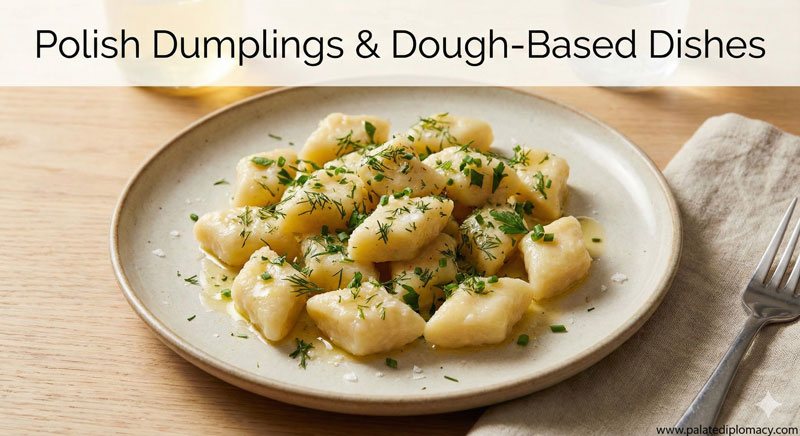
The Story Behind Kopytka, a Polish Food Favorite
Kopytka are soft, comforting dumplings born in Polish kitchens. They are simple to Make and deeply loved. This dish celebrates humble ingredients and clear, honest flavors.
A Quick Introduction to Kopytka
Kopytka are small, pillowy dumplings made from potatoes, flour, and sometimes eggs. Their name hints at a charming shape, linked to a “little hoof.” They fit the rhythm of family meals and seasonal cooking. In many Polish homes, they feel like a warm welcome at the table.
From Potatoes to Plump Dumplings
The journey begins with potatoes. After boiling and mashing, cooks fold in flour and a touch of egg. The dough should feel soft and workable, not sticky. It is rolled into a log, cut into short pieces, and sometimes pressed with a fork to create gentle ridges. The result is a cluster of plump dumplings ready to swim in salted water.
The Craft: Making Kopytka
Attention to technique brings the magic. Boil salted water; drop in the dumplings and watch them rise to the surface. This signals they are tender and cooked through. Drain carefully, then dress them with butter or oil. For texture, many finish with toasted breadcrumbs or a light dusting of sugar. The rhythm of rolling, cutting, and shaping is a small ritual that connects cooks to tradition.
Taste, Texture, and Pairings
Kopytka offer a delicate balance. They are mild, with the soft bite of potato and the subtle grip of flour. The texture is light yet satisfying, a gentle chew that carries sauces well. Popular pairings include melted butter with breadcrumbs, sour cream, and fresh herbs. For a savory note, a creamy mushroom sauce or a ladle of meat gravy works beautifully. A sprinkle of sugar and cinnamon can turn them into a comforting dessert treat.
A Dish Woven into Family Gatherings
This dish travels through generations. Many households pass down simple tips: the right potato type, how much flour to use, and the moment you know they are done. Kopytka often appear during shared family meals, where stories mingle with the aroma of butter and warmth. The dish speaks of care, patience, and the joy of preparing food together.
Regional Variations and Local Flavors
Polish regions offer small, tasty differences. Some cooks favor a softer dough with a touch more egg; others lean on potato starch for a lighter bite. Some serve kopytka with sweet toppings, while others pair them with mushroom sauces or sour cream. These gentle variations show how a single recipe can adapt to local tastes while keeping its core identity.
Modern Polish Kitchens and Everyday Joy
Today, kopytka remain a staple in many homes. They are approachable for Beginners and satisfying for experienced cooks. The recipe invites creativity: you can adjust potato variety, flour type, and toppings to fit the season. In home kitchens and small eateries, the dish continues to bring people together around a shared plate and familiar flavors.
Conclusion
Kopytka tell a clear story of comfort, skill, and community. They celebrate the beauty of simple ingredients transformed with care. Through their soft texture and versatile pairings, kopytka hold a cherished place in Polish food culture, inviting everyone to slow down and enjoy the moment at the table.