
What is Korma?
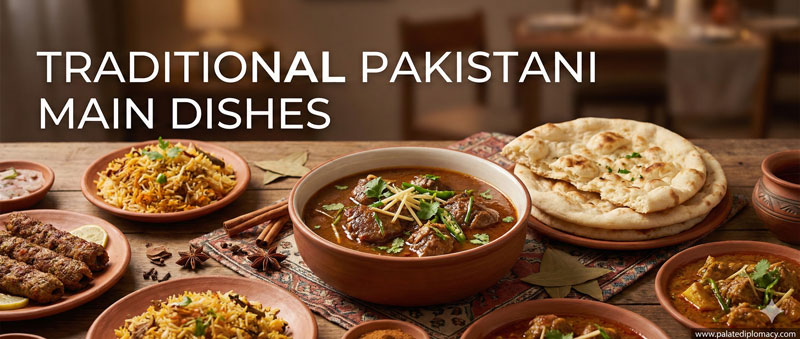
Korma is a gentle, fragrant curry that many people cherish for its silky, luxurious texture. At its heart, it combines dairy or dairy-free richness with a careful blend of spices that lift but never overpower the dish. The result is a sauce that coats tender meat or vegetables with a velvety sheen. In kitchens Across the region, cooks listen for a soft simmer and a slow, steady glow of heat. This patient cooking reveals a harmony of flavors that feels warm, inviting, and deeply comforting. Korma invites conversation as much as it invites a spoon to the bowl. Its appeal lies in balance: a subtle warmth, a touch of sweetness, and a finish that lingers pleasantly on the palate. This is a dish that celebrates patience, skill, and the pleasure of sharing a well-made meal.
The Velvet Sauce: Texture and Technique
The signature texture of korma comes from a creamy, smooth sauce. Chefs often fuse ground nuts, yogurt or cream, and sometimes coconut milk to achieve that luster. Spices are added with care—cardamom, cinnamon, cloves, and a hint of saffron or nutmeg—to create depth without heat dominating the plate. The nuts are roasted and ground to a paste, then whisked into the sauce to lend body and a gentle nutty sweetness. The technique centers on low, steady heat and careful stirring, which prevents curdling and keeps the sauce gleaming. The result is a dish that feels refined and comforting at once, a testament to culinary craft and attention to texture.
Key Ingredients and Their Cultural Significance
Korma thrives on a handful of cherished ingredients. Dairy like yogurt, cream, or ghee adds richness and a mild tang that brightens the spice notes. Ground nuts provide body and a luxurious mouthfeel, while spices offer warmth and aroma rather than overt heat. Saffron or caramelized onion contribute color and sweetness, enhancing the dish’s elegance. These elements together reflect a culture that values hospitality and generosity. The careful choice of ingredients signals care for guests and respect for tradition. When a home cook or a chef plates korma, they honor an approach that prizes balance, refinement, and the joy of sharing something nourishing.
Regional Variations and Flavors
Korma takes many forms, each with its own character. In one variation, the sauce remains light, allowing the meat or vegetables to shine through with a delicate aroma. In another, a richer, creamier custard-like texture appears, embracing more dairy and nut paste. Across regions, you may find chicken, mutton, lamb, or vegetarian versions, depending on season and preference. Awadhi or Lucknowi korma, known for its refined, mildly spiced profile, often features a silky sauce and a tender cut of meat. Kashmiri-inspired styles might introduce a touch of sweetness and fragrant saffron. Regardless of variant, the common thread is care in technique and a philosophy of balance that respects the ingredients and the eater.
Occasions, Rituals, and Sharing
Korma often makes a memorable appearance during celebrations and special meals. It lends a sense of ceremony to table settings, inviting diners to slow down and savor. Families and friends gather to Enjoy it with bread such as naan or paratha, or with fragrant rice. The dish’s luxurious feel Makes It a natural choice for festive menus, yet its gentle flavor also makes it a comforting everyday pleasure. Sharing a pot of korma becomes a moment of welcome and hospitality, a time to reflect on the beauty of good food prepared with care.
Modern Interpretations and Home Kitchens
Today, cooks bring their own touch to korma while preserving its essence. Home kitchens may use a quick blender step to create the smooth sauce, then finish with a few fresh aromatics. Some cooks lighten the dairy with plant-based milk or yogurt alternatives, while others celebrate the traditional richness. Across households, the dish remains approachable: a versatile canvas for seasonal vegetables or affordable proteins. Yet the core idea endures—a gently spiced, luxurious curry that invites slow enjoyment and conversation around the table. Modern versions honor the dish’s heritage by maintaining its balance, tenderness, and aroma.
Pairings and Serving Traditions
Korma shines beside white or saffron rice, which soaks up the flavorful sauce beautifully. It also pairs well with bread like naan or paratha, providing a comforting texture contrast. Garnishes such as toasted nuts, slivered almonds, or fresh herbs add a final touch of color and crunch. Some kitchens finish the dish with a delicate drizzle of cream or a whisper of saffron oil to heighten the fragrance. A well-balanced korma invites a side of cool yogurt, cucumber salad, or a light pickle to cleanse the palate between bites.
A Dish to Cherish
Korma represents more than a recipe; it embodies a spirit of refinement, warmth, and shared joy. Its elegance comes from restraint and skill, while its heart shows in the generosity of a well-savored meal. Through its textures, aromas, and quiet depth, korma tells a story of culinary artistry passed from cook to cook and enjoyed by families and friends alike. Whether served in a bustling kitchen or a quiet home, the dish remains a testament to the beauty of careful cooking and the delight of gathering around good food. In every spoonful, you taste history, craft, and the timeless value of hospitality.