
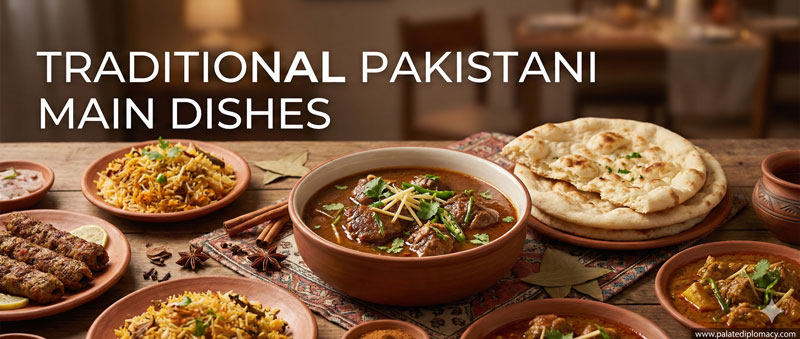
Introduction: A flavorful lens into Pakistani food culture
Korma is more than a dish. It is a living thread that links kitchens, tables, and shared moments across Pakistan. The creaminess of its sauce, the warmth of its spices, and the care behind its preparation speak to values many households hold dear. This post explores how korma reflects Pakistani Food Culture, focusing on culinary significance, technique, and the everyday rituals that give the dish meaning.
The heart of korma: technique and aroma
Korma arrives at the table through a deliberate, patient process. Chefs begin with a base of onions gently softened until they melt. Then they add spices, nuts, and sometimes yogurt, creating a sauce that feels both rich and bright. The nuts—often almonds or cashews—bind with yogurt to form a silky texture. This velvety mouthfeel is not merely indulgent; it mirrors a cultural preference for balance and refinement in cooking. The slow simmer, the careful stirring, and the way spices bloom in fat show a craft that respects time and practice. In every bite, you sense a mindful, hands-on approach that celebrates technique as an act of hospitality.
A balance of flavors: dairy, spice, and fragrant herbs
The flavor profile of korma centers on harmony. Creamy dairy meets fragrant spices to create a sauce that coats each piece of meat or vegetable evenly. Cardamom, cinnamon, cloves, cumin, and coriander weave through the dish, providing warmth without overpowering the base flavors. In many versions, nuts provide texture and a subtle sweetness that echoes the gentle sweetness found in many Pakistani meals. Fresh herbs and a touch of acidity keep the sauce lively, so the dish remains bright even as it becomes deeply comforting. The result is a dish that feels both comforting and sophisticated, inviting conversations about taste and preference at the table.
Regional flavors: variation within a shared tradition
Pakistan’s regions contribute their own shapes to korma without changing its essence. In some cities, cooks favor a silkier sauce, using more ground nuts to emphasize a smooth texture. In others, the sauce leans toward a lighter, yogurt-driven approach that highlights tang and freshness. Local ingredients appear as subtle accents: a hint of coconut in coastal kitchens, or a kiss of saffron in certain festive variations. Across the country, these tweaks show how a single dish can be tailored to place, season, and pantry. Yet the core idea remains: a sauce that embraces the meat or vegetables with tenderness, and a method that elevates simple ingredients through care.
Serving as a social ritual: sharing at the table
Korma thrives in communal settings. It is commonly served as part of a larger spread that may include rice, bread, lentils, and vegetables. The act of sharing reinforces a sense of togetherness, a staple in Pakistani hospitality. When the pot arrives at the center of the table, conversations begin, and everyone waits for the moment when the first spoonful lands on a plate. The dish invites participation—helping with garnish, selecting the best piece of meat, adjusting heat with a side of chutney or yogurt. This social rhythm—preparation, presentation, sharing—reminds us that food functions as a bridge between people, not just a meal to be eaten.
Pairings and the table: how korma fits a larger meal
Korma pairs with two enduring staples: rice and bread. Each option changes the experience in subtle ways. A fluffy basin of basmati rice soaks up the sauce, allowing the aromatic spices to linger in each bite. Naan or roti offers a different vehicle for savoring the creamy sauce and tender morsels. In both cases, the texture and aroma invite careful, slow tasting. This pairing reflects a broader cultural habit: meals are designed to be savored in rounds, with time to talk, reflect, and enjoy the company around the table.
Everyday elegance: korma in daily life and special moments
Many households prepare korma for everyday meals, especially when guests arrive or family gatherings begin to unfold. The dish carries a quiet dignity that suits both ordinary afternoons and special occasions. Its simplicity of concept—protein plus a smooth, nutty sauce—belies a depth of technique and tradition. This balance of daily ease and occasional splendor mirrors Pakistani food culture, where meals honor the moment and the people sharing it. In this way, korma becomes a small ceremony of care.
The cultural voice of comfort and hospitality
Korma speaks softly of hospitality. The owners of the kitchen aim to make guests feel welcome through texture, aroma, and balance. The dish’s gentle contour—neither too spicy nor too heavy—welcomes a wide range of palates. That inclusive quality mirrors a larger cultural value: food as a shared experience that invites conversation, laughter, and mutual appreciation. When practiced with care, korma demonstrates how cooking can express kindness and consideration through every plate.
A respectful approach to technique and tradition
The craft of making korma emphasizes respect for ingredients and a steady hand. Chefs learn to time each step, to temper sauces, and to balance fat with acidity. This discipline reflects a culture that values preparation and attention to detail. At the same time, there is room for creativity—home cooks may adjust spice levels, swap nuts, or experiment with regional ingredients. The result is a dish that respects tradition while inviting personal expression, a hallmark of Pakistani culinary culture.
Conclusion: korma as a culinary thread through culture
Korma embodies more than a recipe. It is a culinary thread that weaves through homes, markets, and kitchens, linking tastes with stories of family, welcome, and shared moments. The dish shows how Pakistani food culture values harmony, technique, and generosity. Its creamy texture, balanced spices, and regional adaptations reveal a cuisine that is both rooted and flexible. By savoring korma, one participates in a long-standing practice of making meals that honor people, place, and the simple joy of eating together.