
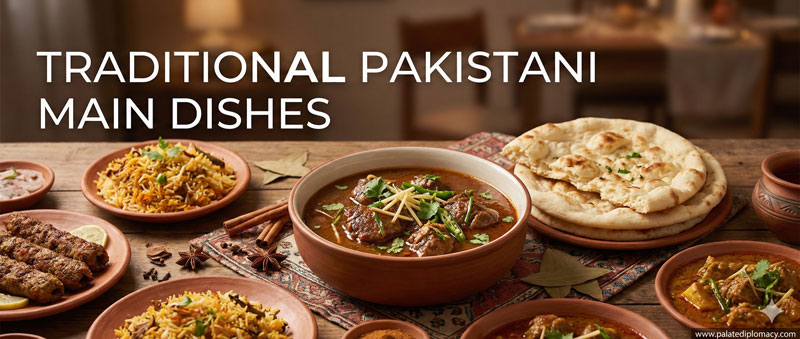
What makes korma special in Pakistan
What Makes korma special in Pakistan goes beyond its creamy texture. It is a dish that speaks to togetherness, patience, and a refined sense of balance. In homes and on bustling street corners alike, korma invites conversations, shared bowls, and that familiar warmth that marks a good meal. This is a dish that listeners and cooks alike learn to recognize by its aroma, its tenderness, and the careful harmony of ingredients.
The Warmth of Pakistani Korma
In Pakistani kitchens, korma is often prepared with care for people who are about to share a table. First, cooks select tender meat and prepare a base sauce that blends dairy, nuts, and spices. Next, the meat braises slowly, absorbing the nutty creaminess and the gentle heat of the spices. Finally, the result rests briefly, allowing flavors to settle. The process itself feels invitational, like a welcome mat placed at the threshold of a home. The dish becomes a signal of hospitality, a readiness to feed guests with respect and affection.
The Craft: Ingredients and Technique
A classic Pakistani korma centers on a smooth sauce made from yogurt or yogurt-y cream, ground nuts such as almonds or cashews, and a blend of warm spices. First, spices are toasted to awaken their aroma: cumin, coriander, cardamom, cloves, and a hint of cinnamon. Next, onions are softened, then combined with the nut paste and dairy to create a luxurious, velvet-like sauce. Then, meat is added and cooked gently, allowing the flavors to mingle without harshness. Finally, a touch of cream or saffron may enrich the color and fragrance. This technique—low, slow cooking and gradual layering—creates a balance between richness and brightness, making the dish comforting yet fragrant and bright.
Regional Voices: Varieties Across Pakistan
Across Pakistan, regional influences shape korma while keeping its core identity intact. In Punjab, the version tends to be generously creamy, with a robust meat presence and a deep, hearty aroma. In Sindh, cooks may blend nut pastes with yogurt for a slightly tangier, lighter finish, emphasizing a bright finish that pairs beautifully with bread. In the northern regions, subtle additions like saffron or green herbs appear, lifting the sauce with delicate color and a fresh note. Regardless of the area, the essence remains: meat, a softly spiced sauce, and a sense that the dish is crafted with care for the people who will savor it.
Aromas that Define a Kitchen
The aroma of korma signals a moment of welcome. Toasted spices release a warm perfume, while the nut paste adds a creamy, inviting scent. The dairy base glides into the air, lending a gentle sweetness that harmonizes with the spices. A final garnish of fresh coriander, and sometimes a whisper of saffron or kewra water, can brighten the dish and deepen its fragrance. Each breath of aroma invites one to pause, savor, and appreciate the skill behind the dish. This sensory rhythm—aroma, texture, and taste—gives korma its signature feel.
Pairings and Shared Tables
Korma finds its perfect companions in bread and grain. Fresh naan or roti, fluffy basmati rice, and cooling raita create a balanced plate. Pickles and fresh salad add brightness to cut through the richness. The best meals pair the creamy sauce with something crisp and lightly acidic to lift the palate. In many homes, serving korma alongside these accompaniments turns a simple dinner into a memorable sharing of flavors and stories.
Preserving Tradition in a Modern Kitchen
Today, many homes in Pakistan preserve traditional methods while welcoming gentle modern touches. Home cooks pass down tips about tempering spices, the timing of the nut paste, and the moment to fold in the dairy. Yet, the spirit remains the same: a dish that honors guests, a recipe that travels from stove to table with care, and a culinary expression of respect for ingredients and craft. In restaurants, chefs honor this balance by presenting korma as a centerpiece, maintaining its tenderness while offering nuanced variations that respect the dish’s heritage.
A Dish with a Gentle, Enduring Beauty
In the end, what makes korma special in Pakistan is its ability to carry a sense of culture through flavor. It embodies patience, balance, and generosity. It invites shared moments at the table and invites cooks to honor every step of the process. The result is a dish that feels both comforting and elegant, a beloved representative of Pakistani culinary artistry. If you seek a true reflection of the Food Culture, korma offers a warm, tasteful window into the way meals are prepared, presented, and appreciated in Pakistan today.