
Introduction: A Dish That Speaks of Heart and Hearth
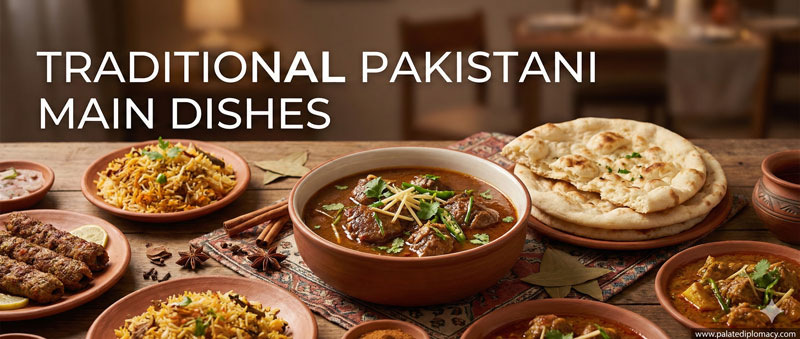
Korma is One of Pakistan’s Most Loved dishes for good reason. It welcomes you with a fragrant aroma, a silky sauce, and a sense of daily celebration. More than a meal, it is a gentle ritual that marks gatherings, seasons, and shared moments. In homes from bustling markets to quiet kitchens, korma signals hospitality and care. Its appeal rests in balance: a creamy, nutty base with warm spices that caress the palate without shouting.
The Cultural Value of Korma in Pakistani Life
Korma stands at the center of many meals that honor family and friends. It is the dish families prepare when guests arrive, when a celebration is planned, or when a grandmother teaches a younger cook the secrets of simmering. The act of cooking korma becomes a memory in itself—stirring the pot, tasting the sauce, and watching the sauce thicken to a velvet finish. Sharing a plate of korma is a gesture of warmth, a way to say, “You are welcome here.” In this way, korma weaves everyday life with culture, turning ordinary meals into meaningful experiences.
Culinary Significance: Texture, Balance, and Technique
The allure of korma lies in its texture and subtle layering. A true korma rests on a velvety sauce enriched with yogurt, cream, or milk, and a nut paste—usually cashews or almonds—that gives it a silken body. The spices are gentle yet clear: cardamom, cinnamon, cloves, coriander, cumin, and a hint of ground pepper. These elements mingle to create depth without harsh heat. The preparation often features slow simmering, which allows flavors to merge and the meat (or vegetables) to become tender and moist. This patient technique honors the ingredients and yields a sauce that clings to meat or rice with a luxurious gloss. The dish invites savoring in small, appreciative bites, letting each spoonful tell a story of careful simmering and refined balance.
Ingredients that Speak of Place and Craft
Korma showcases household know-how. Fresh yogurt or cream provides brightness; nuts bring body and richness; onions, garlic, and ginger form a fragrant base; and a touch of saffron or fried spices can crown the finish with a delicate aroma. The exact blend varies by family and region, yet the core idea remains constant: a gentle, nutty curry that feels comforting and refined at once. This versatility—be it chicken, lamb, or vegetables—lets cooks honor tradition while allowing personal touch. The result is a dish that feels both familiar and special, a staple that adapts with the season and the pantry.
The Role of Korma in Gatherings and Festive Moments
Korma is a dish that Shines in communal settings. It appears on the table during Sunday meals, at family weddings, and during festive times when neighbors share a pot of something comforting. It pairs naturally with fluffy basmati rice and warm naan, inviting spoonfuls that invite conversation. The social aspect matters as much as the taste: the sharing of food, the passing of seconds to guests, and the way aroma travels from kitchen to dining space, inviting all to gather. In this way, korma helps bonds grow stronger, one flavorful moment at a time.
Regional Variations and Personal Touches
Across Pakistan, families put their own stamp on korma. Some prefer a richer, creamier finish; others opt for a lighter, yogurt-forward version. Spices may be toasted to release aromatics, or added in a softer paste. Nuts can be adjusted for extra body, and the garnishes—slivers of almond, a drizzle of cream, or a saffron thread—add visual and aromatic finesse. This diversity reflects local ingredients, family preferences, and seasonal availability, all while preserving the dish’s core character: a mellow, luxurious curry that honors technique and care.
Serving It Right: Pairings, Presentations, and Sensory Joy
Present korma with steamed basmati rice or fresh naan to let the sauce shine. A simple cucumber raita or a crisp salad offers a refreshing contrast, highlighting the dish’s richness. The aroma alone invites a pause; the first bite rewards with a smooth, nutty sweetness that lingers pleasantly. Presentation matters too—a clean bowl, a delicate garnish, and a table set with care contribute to the experience. In these small details, the cultural value of korma becomes a shared ritual rather than a solo treat.
Conclusion: A Timeless Favorite in the Tapestry of Pakistani Cuisine
Korma stands as a bridge between tradition and today. It honors the patience of slow cooking, the joy of sharing, and the beauty of a dish that adapts with local flavors while remaining unmistakably familiar. Its cultural value lies in how it brings people together, how it tells a story with every spoonful, and how it elevates ordinary meals into moments of warmth and connection. In Pakistan’s culinary landscape, korma remains a cherished favorite—gentle, generous, and endlessly inviting.