
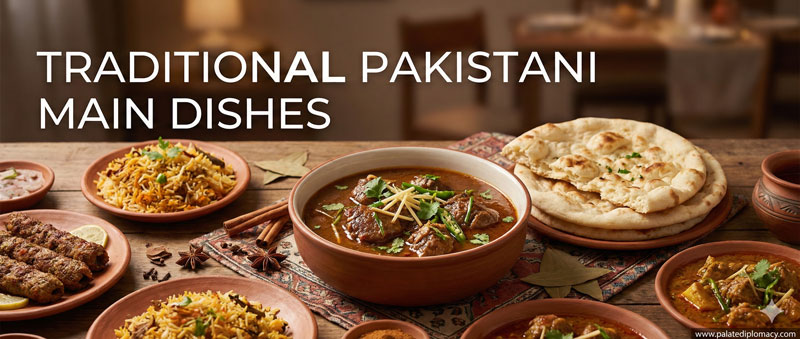
What makes Korma a beloved staple in Pakistan
Korma stands as a graceful emblem of Pakistani home cooking. It appears at family tables with quiet confidence, inviting everyone to share in its warmth. The dish blends tenderness, aroma, and a creamy texture that feels comforting and refined. It is a Favorite not just for its flavor, but for what it communicates: care, hospitality, and a celebration of togetherness.
What is korma?
Korma is a gently braised dish. Meat is cooked in a sauce enriched with yogurt, ground nuts, and a balanced mix of spices. The technique relies on slow simmering to soften the meat and to meld flavors into a smooth, silky gravy. The result is a curry that glows with a pale, inviting color and a velvety mouthfeel. The essence of korma is its harmony: the tang of yogurt, the nutty richness of almonds or cashews, and the warmth of fragrant spices.
The creamy base and fragrant aroma
At the heart of korma is its creamy base. Yogurt provides tang and thickness, while ground nuts add body and a gentle sweetness. Whole spices—cardamom, cinnamon, cloves, and bay leaf—enter the pot, releasing perfume as they toast and bloom. Ghee or a neutral oil carries the fat that carries flavor. The aroma rises slowly as the curry simmers, drawing families to the kitchen and signaling that a meal is ready to share. This balance of creaminess and spice is the signature of a well-made korma.
Regional threads within Pakistan
Across Pakistan, korma adapts to local palettes while preserving core techniques. Punjabi kitchens often favor a rich, deeply creamy version, where chicken or mutton remains tender and the sauce clings to each piece. Sindhi preparations may lean into brighter yogurt notes and a slightly sharper spice profile, offering a lively finish. In other regions, chefs experiment with nut varieties or lighter finishes, producing a white or pale korma that feels delicate yet resonant. Despite these variations, the dish consistently embodies a sense of unity—foods that bring people together through shared flavors.
A dish for gatherings and hospitality
Korma shines at gatherings. It is a dish prepared with care for guests and loved ones. Serving korma is an expression of hospitality: an invitation to slow down, savor the moment, and enjoy conversations around a shared plate. It pairs with staples that honor Pakistani dining traditions—naan, paratha, or fragrant basmati rice. A sprinkle of fried onions or a touch of fresh coriander often crowns the plate, adding texture and brightness. In many homes, these touches are small rituals that elevate a meal into a cherished memory.
Techniques that elevate korma
Cooks prize korma for its balance and technique. Marinades are gentle, often using yogurt to tenderize and infuse flavor. The sauce is built slowly, allowing nuts to soften and blend with dairy and spices. Tempering the curry with toasted spices or fried onions adds depth and a subtle crunch. The challenge is to maintain creaminess without curdling the yogurt, a skill that comes with attentive heat and steady stirring. By respecting these steps, home cooks and professional chefs alike coax a dish that feels both luxurious and approachable.
Serving traditions and pairings
Korma is best enjoyed with bread or rice that can soak up the sauce. Fresh, warm naan or a flaky paratha invites you to scoop. A steaming bowl of basmati rice offers a clean counterpoint to the richness. A simple side of cool raita or cucumber salad can provide a refreshing contrast. The serving experience—aroma rising, steam curling, and the soft clink of bowls—enhances the sense of hospitality that korma embodies.
Modern takes while keeping the soul
Chefs today explore ways to honor tradition while inviting new flavors. Some create lighter kormas using leaner cuts or vegetable bases with nuts for texture. Others blend regional spices to highlight different fruit and nut notes, all while keeping the creamy, comforting character intact. In every version, the dish preserves the idea of sharing a meal that respects regional craft and family heritage.
The enduring appeal
The appeal of korma lies in its gentle generosity. It offers depth without heaviness, richness without excess, and a tender connection between cook and diner. Its cultural value rests in its ability to translate care into flavor, to turn ordinary meals into moments of togetherness, and to remind us of the beauty found in slow, mindful cooking. This is why korma remains One of Pakistan’s most loved dishes: a flavorful portrait of hospitality, craft, and communal joy.