
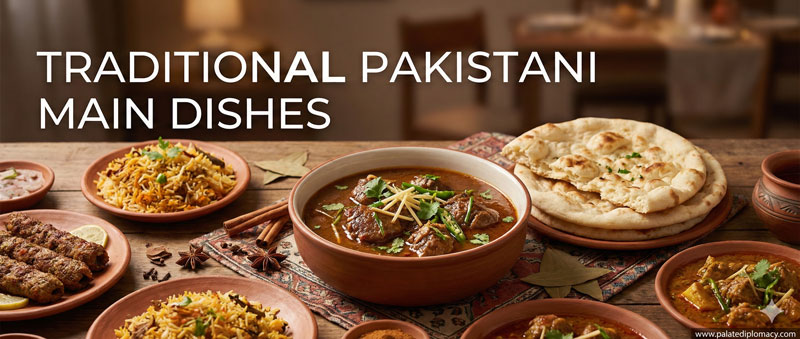
Why Korma Is One of Pakistan’s Most Loved Dishes
Korma is more than a recipe. It is a warm embrace from the kitchen, a symbol of hospitality, and a cherished thread in Pakistani Food Culture. Its creamy texture, fragrant spices, and careful balance invite families to gather, share stories, and celebrate together. This dish carries a quiet elegance that suits both everyday meals and special moments. In this post, we explore the cultural value and culinary significance of korma, highlighting how it flavors life and tradition in Pakistan.
The Cultural Heartbeat of Korma
In many Pakistani homes, the kitchen is the heart of daily life. Korma often takes center stage there because it speaks to patience, care, and family rituals. The act of simmering gently, stirring with a wooden spoon, and adjusting the flame reflects a respect for craft. When a pot of korma rises from the stove, its aroma travels through the house Like a welcome. This aroma signals generosity and the readiness to share a meal with loved ones.
Beyond the kitchen, korma appears in gatherings that mark small joys and larger celebrations. It appears when friends visit, on weekend feasts, and at festive occasions. In these moments, the dish becomes a bridge between generations, as recipes are whispered from grandmothers to mothers and then to daughters and sons. The result is not just flavor; it is continuity. Korma reinforces a sense of belonging and a shared culinary heritage that nourishes the community.
The Flavor Alphabet: Key Ingredients and Techniques
Korma is built on a gentle palette of ingredients that work in harmony. Cream, yogurt, or milk adds richness without heaviness. Ground nuts or seeds lend a subtle nutty sweetness and body. Whole spices such as cardamom, cinnamon, cloves, and bay leaf ring the pot with warmth. A touch of saffron or rosewater can lift the dish with a delicate perfume. The primary proteins—often chicken or lamb—absorb these flavors slowly and beautifully.
Technique matters as much as ingredients. The slow, careful simmering marries dairy and meat with spices. The cooking process emphasizes balance: heat that is low enough to coax tenderness, yet steady enough to coax depth from every spice. The result is a velvety sauce that clings to meat and a sauce that invites spoonfuls of rice or bread. In short, the flavor design is patient, precise, and profoundly human.
Regional Variations: A Tapestry Across Pakistan
Pakistan’s regions offer distinct shades of korma, each reflecting local tastes while preserving the dish’s essence. In the plains of Punjab, korma often presents a lush, creamy personality with a rich texture. In coastal areas and the southern plains, cooks may introduce a touch more brightness or a hint of citrus to lift the sauce. In the northern regions, the balance sometimes tilts toward lighter spices and a more fragrant aroma from fresh herbs.
These variations share a common thread: they honor balance and texture. The sauce remains smooth enough to coat rice or naan, yet complex enough to reward a thoughtful bite. Across regions, korma serves as a culinary canvas for family history, seasonal produce, and the personal touch of the cook. This shared adaptability is part of what makes korma a stabilizing favorite in Pakistani cuisine.
Craft and Craftsmanship: The Cooking Process
Craftsmanship shines in korma. It begins with selecting fresh ingredients and ends with a gentle final simmer. The cook layers flavors: aromatics, spices, nuts, and dairy, each added in a way that preserves its character. Stirring becomes a ritual, ensuring the sauce thickens evenly and the meat stays tender.
Attention to texture is central. The sauce should be lush but not heavy, nourishing without overpowering. The nuts provide structure, while the dairy contributes silkiness. Students of cooking notice how this balance makes korma forgiving for home cooks yet impressive for guests. The result is a dish that feels both luxurious and approachable, a testament to careful technique and mindful patience.
A Dish for Sharing: Social and Family Moments
Korma encourages sharing. It is a dish that invites people to gather, serve, and taste together. In many homes, a generous pot of korma signals invitation to pause, sit, and enjoy one another’s company. The act of passing bowls, ladling sauce over rice, and offering a share to a friend or neighbor reinforces bonds and rituals of hospitality.
Serving korma with simple accompaniments—steaming basmati rice, warm naan, and a cooling yogurt raita—creates a complete moment of comfort. The table becomes a small stage where aroma, texture, and warmth perform for everyone present. This social dimension is a meaningful part of why korma endures in homes and eateries alike.
The Plate as a Cultural Canvas: Presentation and Color
The presentation of korma matters as much as its taste. A glossy, pale sauce punctuated with gentle green of cilantro or the gold of fried nuts makes the dish inviting. Garnishes add not just color but a sense of occasion. The visual appeal rivers through the dining experience, signaling care and pride in the meal. When korma is plated with attention, it communicates respect for guests and for the craft of cooking.
Pairings and the Table: What Complements Korma
Korma harmonizes with simple, flavorful sides. Steamed basmati rice or fluffy naan are ideal canvases for the sauce. A side of crisp salad, or a cooling yogurt with cucumber, balances the richness. Mild pickles or chutneys offer bright counterpoints that accent the spices without overpowering them. A cool drink, such as lassi, can refresh the palate. These pairings keep the meal approachable and satisfying, allowing the korma to shine.
Sustainability of Tradition: Why Korma Remains Loved
Korma remains a beloved staple because it is adaptable, comforting, and celebratory all at once. Home cooks can tailor the spice level, dairy choice, and texture to fit family preferences. Chefs in restaurants bring refined technique and seasonal ingredients to the dish while preserving its core identity. The recipe travels through households and kitchens with gentle evolution, never losing its essence. This steady, respectful evolution helps korma stay relevant across generations.
A Remembered Taste of Home: Personal Reflections
For many, the smell of korma evokes a sense of home. It may remind someone of a grandmother’s kitchen, a festive table, or a quiet evening when soft music fills the room. The dish carries memory as well as flavor, turning meals into moments of connection. When you taste korma, you taste a story of care, tradition, and shared delight.
Conclusion: A Delicate Harmony of Culture and Cuisine
Korma stands as one of Pakistan’s most loved dishes because it blends culture, craft, and care into a single, comforting experience. It speaks of hospitality, family, and regional pride. It invites cooks to slow down, to layer flavors thoughtfully, and to share the result with joy. In every bite, korma celebrates the beauty of Pakistani cuisine and the enduring value of gathering around a well-made meal. This is why korma remains a cherished part of the food culture, inviting new friends to discover its soulful warmth while comforting longtime lovers of the dish.