
The Story Behind Korma, a Pakistani Food Favorite
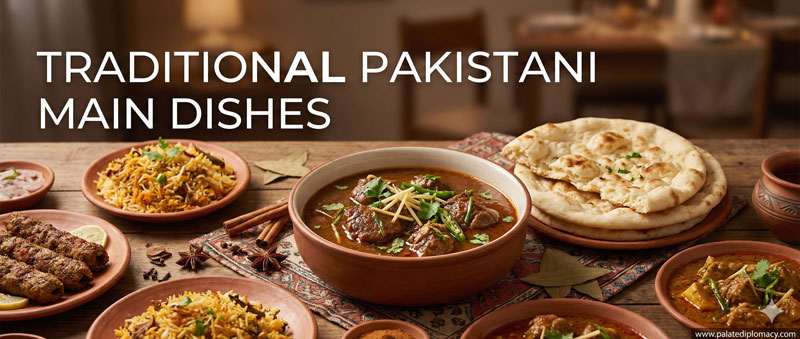
Korma Stands Out as a beloved dish in Pakistani kitchens. Its creamy sauce, tender meat, and gentle spice invite warm conversations around the table. This dish is more than a meal; it is a symbol of hospitality, shared meals, and the beauty of slow cooking. When families gather, korma often takes a central place, bringing warmth and memory to the plate. The name itself suggests a careful braise—low heat, patience, and a desire to let flavors mingle until they sing.
A Creamy Symphony: What Makes Korma Stand Apart
Korma blends dairy richness with a nutty depth and bright spice. The sauce typically uses yogurt or cream, sometimes both, to create a silky texture. Ground almonds or cashews give body and a subtle sweetness that underpins the heat of spices. Common spices include coriander, cumin, cardamom, cinnamon, cloves, and a touch of fennel. A pinch of saffron or a saffron-infused milk may brighten the color and aroma. Toasting the spices before pounding them into a paste adds depth, while gentle simmering keeps the meat juicy and the sauce smooth. The result is a dish that feels luxurious yet approachable, ideal for both special occasions and comforting weeknights.
The Craft: Technique and Texture
The heart of korma lies in technique. First, meat is often marinated with yogurt and spices to begin tenderness. Next, a fragrant spice paste is prepared, sometimes enriched with nuts. The meat and paste come together in a slow simmer, allowing the sauce to thicken and coat every piece with creamy richness. Finally, a finishing touch—be it a splash of cream, a drizzle of nut paste, or a delicate saffron milk—brightens the overall profile. Garnishes such as fried onions and chopped cilantro add crunch and color. The texture remains smooth and luxurious, yet the dish stays balanced, letting the spices and dairy mingle without overpowering the palate.
Regional Touches Across Pakistan
Across Pakistan, korma takes many friendly forms. In Punjab, you might find a robust version that pairs well with fluffy basmati rice or soft naan. In Sindh and the southern regions, cooks sometimes emphasize a lighter tang from yogurt, creating a refreshing counterpoint to the warmth of spice. Lamb, chicken, and beef appear in various guises, while vegetarian adaptations honor seasonal produce with nut-based sauces. Even within a single kitchen, traditions can vary slightly, yet the core idea remains: a creamy, richly spiced sauce enveloping tender meat, simmered with care to unlock a gentle harmony of flavors.
Serving, Sharing, and the Social Heart of Korma
Korma shines in social settings. It is commonly served with basmati rice or fresh naan, allowing guests to savor the sauce with every bite. Pairing it with a cool yogurt raita or a crisp salad creates a pleasing balance of textures and temperatures. The dish often makes appearances at family meals, festive gatherings, and everyday dinners alike, underscoring the value placed on hospitality and togetherness. Serving korma with care—arranging the plates, presenting the sauce with a glossy sheen, and offering fresh herbs—communicates respect for guests and the cooks who prepared it.
A Dish That Carries a Gentle, Enduring Story
The Story behind korma in Pakistani Food Culture is one of memory, craft, and shared joy. Many homes pass down a favorite recipe, inviting new cooks to learn patience, technique, and timing. Each kitchen adds its own flourishes—different nut choices, yogurt levels, or spice balances—creating a living tradition that travels through generations. The dish becomes a quiet celebration of everyday life: the aroma lifting from the stove, a table set with care, neighbors and family gathered to enjoy a shared moment.
If you seek a dish that embodies warmth, craft, and the beauty of slow cooking, korma offers a welcoming invitation. It honors tradition while inviting fresh interpretation, and it remains a cherished pillar of Pakistani food culture—rich, comforting, and endlessly inviting.