
Everything You Need to Know About Köttbullar
Köttbullar, or Swedish meatballs, are a beloved signature in Swedish cooking. This post explores their cultural value and culinary significance, inviting you to savor how a simple dish can carry warmth, skill, and shared joy. Framed this way, Köttbullar become more than a meal; they are a gateway to everyday Swedish hospitality and craft.
What Are Köttbullar?
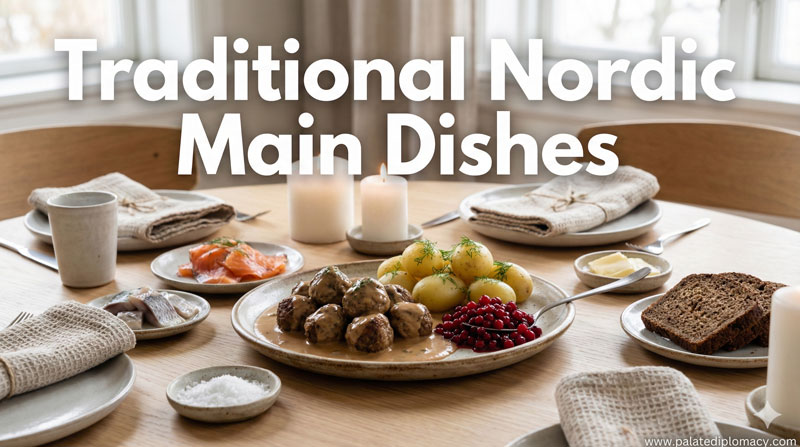
Köttbullar are small, tender meatballs made from a blend of ground beef and pork. The mixture is enriched with breadcrumbs soaked in milk, finely chopped onion, an egg, and a gentle touch of spices. They are usually browned in butter to develop a nutty crust, then finished with a creamy sauce. A classic plate pairs these meatballs with mashed or boiled potatoes and a dollop of lingonberry jam for brightness.
The Craft Behind the Dish
The art of Köttbullar lies in balance and restraint. Soaking breadcrumbs in milk keeps the meat tender, while minimal handling preserves a delicate texture. Shape small, uniform balls to ensure even cooking. Brown them gently in butter to build flavor, then simmer in a sauce made with cream or milk and beef stock. The result is a soft interior crowned by a silky, savory sauce that harmonizes with the plate.
Flavor, Texture, and Traditional Pairings
The flavor profile is mild and comforting, with a hint of spice and a touch of sweetness from the cream. Nutmeg or allspice adds subtle warmth without overpowering the meat, while white pepper keeps the seasoning clean. The sauce—creamy and glossy—envelops the meatballs, inviting a velvety bite. Traditional accompaniments include smooth mashed potatoes, buttered peas or cucumber salad, and lingonberry jam, whose tart, bright notes contrast beautifully with the richness of the meat and sauce.
Cultural Value in Swedish Cuisine
Köttbullar embody everyday Swedish hospitality. They appear in family kitchens as a reliable weeknight dish and in gatherings during holidays and special meals. The dish showcases a respect for simple ingredients shaped with care, a hallmark of home cooking across generations. Beyond the family table, Köttbullar has become a cultural ambassador, introducing Swedish flavors to diners around the world through restaurants and markets. This accessibility helps keep the tradition alive while inviting new cooks to participate in a shared culinary story.
Regional Variations and Modern Takes
While the core concept remains consistent, regional and modern twists appear. Some cooks favor a higher pork content or add veal for a lighter texture. Variations may include adjustments to spice blends, such as dialing back or enhancing allspice, or including fresh herbs for brightness. Vegetarian versions offer mushroom or plant-based proteins with a similar shape and sauce, preserving the dish’s identity while offering alternative textures. Regardless of the variation, the essence—the tender meatball in a creamy sauce with a bright jam counterpoint—remains recognizable.
Practical Tips for Home Cooks
- Keep the meat cold during mixing to maintain texture.
- Do not overwork the mixture; gentle handling yields tenderness.
- Soak breadcrumbs well in milk to moisturize the filling.
- Brown the meatballs in a single layer for even crust, then simmer gently in sauce.
- Taste the sauce and adjust with salt, pepper, and a subtle pinch of nutmeg.
- Serve promptly with potatoes and lingonberry jam for an authentic experience.
Köttbullar invite curiosity and admiration: they celebrate simplicity, technique, and the joy of sharing a warm plate. Whether you cook them at Home or savor them in a cozy bistro, these Swedish meatballs offer a graceful reminder that good food nourishes community, conversation, and everyday life.