
How Köttbullar Reflects Nordic Food Culture
Köttbullar, or Swedish meatballs, sit at the Heart of Nordic dining. They symbolize warmth, practicality, and a shared table. The dish links everyday cooking with small celebrations. In homes across Sweden, Norway, Denmark, and Finland, meatballs appear in kitchens that value fresh ingredients, balance, and seasonal rhythm. The simple act of shaping meat into spheres becomes a ritual of care. Köttbullar reveal how Nordic Food Culture honors abundance without fuss and how flavors are built with a few well-chosen ingredients. Hospitality shines in every plate.
The Craft Behind Each Köttbullar
Chefs start with ground meat, often a mix of pork and beef, then add breadcrumbs soaked in milk and finely chopped onions. An egg binds the mixture. Salt and white pepper bring depth, while a pinch of allspice or nutmeg adds warmth. The dough rests briefly, then hands roll compact spheres. They sear quickly in a hot pan to set color, then simmer gently in a light cream sauce. This method requires patience and balance. The result is a tender center with a glossy exterior and a comforting aroma that fills the kitchen.
Core Ingredients and Techniques
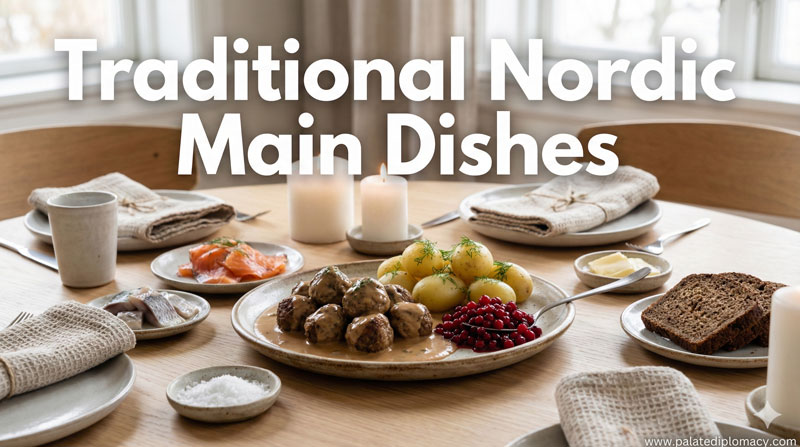
Simple ingredients create rich flavor. Ground meat, milk-soaked breadcrumbs, onions, eggs, salt, and pepper form the base. The sauce uses cream, butter, and a light flour roux. Lingonberry jam supplies a bright counterpoint. Potatoes, either boiled or mashed, anchor the plate. Pickled cucumber adds a crisp note. Each element plays its part: meat provides heart, dairy carries the sauce, and berries brighten the finish. The technique binds texture and taste, turning everyday pantry items into a dish of quiet elegance.
Nordic Variations Across the Region
Across Nordic kitchens, the core idea remains, but tiny regional tweaks appear. In Sweden, cooks often favor a touch of allspice and white pepper. In Finland, a popular version blends beef and pork with a heavier cream sauce and generous potatoes. Norwegian cooks may lean toward a richer gravy and a splash of fresh herbs. Danish kitchens might introduce a lighter touch, with crisp onions and a slightly leaner meat mix. Lingonberries, however, thread through the menu in most homes, tying the dishes together with a tart, fruity note. These variations show how tradition travels while keeping a common culinary rhythm.
Serving Traditions and Everyday Meals
Meatballs sit at Home as a comforting, everyday dish. Families gather around the table for a simple dinner, and the scent lingers as the sauce thickens. The plate often pairs meatballs with boiled or mashed potatoes and a ladle of sauce. A small dollop of lingonberry jam on the side adds brightness. In festive seasons, cooks present a slightly larger batch, more generous sauce, and careful plating. The pattern is universal: craft, care, and sharing around a warm, inviting plate.
Seasonal and Local Sourcing
Nordic cooking honors the rhythm of the seasons. Potatoes and onions come from family plots or local farms, aided by dairy from trusted herds. In autumn, forests offer mushrooms that deepen sauces. Berries grow in hedges and fields, bringing color to plates. By relying on fresh, local ingredients, Köttbullar embody a culinary approach that respects the land. This practice keeps flavors bright and meals sustainable for daily life.
The Modern Plate: Tradition and Innovation
Modern kitchens honor the past while inviting new textures and ideas. Some cooks serve Köttbullar with lighter sauces or plant-based patties without losing the dish’s familiar character. Others explore different spice balances or meat blends, yet keep the comforting harmony of meat, dairy, and berries. The dish travels from home kitchens to bistros and family-style plates, where presentation shows care and aroma invites curiosity. In every form, Köttbullar remains a bridge between heritage and daily life.
Conclusion
Köttbullar reflects Nordic food culture through simplicity, balance, and shared moments. It teaches that good cooking begins with thoughtful ingredients and patient technique. It invites us to slow down, savor textures, and celebrate togetherness at the table. This dish stands as a warm emblem of Nordic hospitality and culinary craft.