
Introduction
Köttbullar, or Swedish meatballs, are a beloved centerpiece in many homes. They symbolize warmth, care, and shared meals. This dish blends simple ingredients with careful technique. The result is a comforting plate that feels Like a family welcome. In this post, we explore the cultural value and culinary significance of Köttbullar. You will see how its flavor, texture, and presentation tell a story about Swedish Food Culture.
Core Elements of Köttbullar
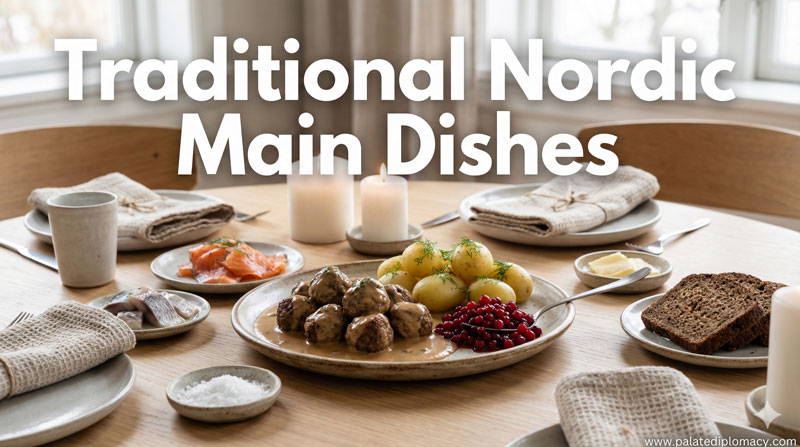
What makes Köttbullar stand out? First, it combines ground beef and pork with soaked breadcrumbs for tenderness. Second, a touch of onion and egg helps bind the mixture. Third, subtle spices such as allspice and a hint of nutmeg lift the flavor. Finally, the meatballs are often finished in a creamy gravy, then served with potatoes and lingonberry sauce. This balance of savory meat, rich sauce, and bright berries creates a harmonious plate. The technique matters too: shaping small, even meatballs and browning them evenly develops depth. The result is a dish that feels at once modest and refined.
A Rooted Tradition in Everyday Life
Köttbullar are common in Swedish households and are a steady presence at many meals. They appear in school lunches, family dinners, and casual gatherings. The dish mirrors a culture that values comfort, practicality, and care. The aroma of frying meatballs and the glow of a creamy gravy often signal a gathering with close friends and family. Over generations, the recipe evolves with family tastes, yet the core idea remains the same: a nourishing dish that brings people together.
Preparation and Craft
The craft of Köttbullar centers on balance. Start with the right ratio of meat to filler. Soak breadcrumbs in a little milk to keep the texture light. Add finely chopped onion for sweetness and moisture. Mix in an egg to bind the mixture. Season with salt, pepper, and gentle spices like allspice or nutmeg. Form small balls and brown them in a skillet to develop color. Then simmer the meatballs in a creamy gravy for tenderness and depth. This method yields meatballs that are crisp on the outside and juicy inside. A well-made gravy, often enriched with cream, completes the dish. Pair with mashed potatoes or boiled potatoes and a tart, flavorful lingonberry sauce for contrast.
Flavor, Texture, and Pairings
Köttbullar offer a pleasing contrast of textures. The exterior is lightly crisp, while the interior stays soft and moist. The gravy adds velvety richness without overpowering the meat’s sweetness. Lingonberries cut through the richness with a bright, tangy note. Potatoes provide a comforting starchy base, and a crisp cucumber salad adds refreshing balances. In practice, the dish shines when these elements are arranged together on the plate. The result is a sensory experience that feels warm, familiar, and inviting.
Regional Variations and Modern Takes
Across Sweden, small variations reflect local preferences and family traditions. Some cooks adjust the meat ratio, using more pork for extra fat and flavor, while others favor beef for a leaner bite. Spices may be toned up or down to suit taste. Some kitchens enrich the gravy with stock or cream for a silkier texture. Vegetarian versions appear as well, using mushrooms or plant-based meats to mimic the texture. Yet the heart of the dish—the tenderness of the meatball and the harmony of sauce, berry, and starch—remains intact. This adaptability keeps Köttbullar vibrant and relevant in modern menus.
Cultural Moments and Sharing
Köttbullar are a social dish as well as a culinary one. They appear in homes during busy weeks as a reliable, satisfying meal. They also show up at gatherings where friends share stories and laughter. The dish invites conversation about family recipes and the small, thoughtful choices that make a dish feel like home. Because it travels well, Köttbullar have become familiar in many dining settings, from cozy kitchens to friendly gatherings. This universality highlights a simple truth: good food strengthens bonds.
Sustainability and Sourcing
Today, many cooks think about where ingredients come from. Choosing good-quality meat and fresh dairy supports local producers and reduces waste. Using whole ingredients and repurposing leftovers for versatile meals aligns with a mindful kitchen approach. Lingonberries or berry preserves from nearby growers add a seasonal touch. Wrap this care into the cooking process, and Köttbullar become not only tasty but also thoughtfully prepared.
Variations Across the Table
If you explore Köttbullar in different homes, you will find personal touches. Some families add a dash of white pepper or a hint of Worcestershire sauce. Others serve the meatballs with a mix of herbs for aroma. The serving plate can feature different sides, but the core trio remains: creamy sauce, berries, and potatoes. These variations celebrate the dish’s flexibility and its role as a canvas for family taste.
The Beauty of Simplicity in Swedish Food Culture
Köttbullar showcase how simple components can shine with careful technique. The dish embodies Swedish culinary values: balance, warmth, and a respect for home cooking. It teaches that texture, aroma, and color all matter. The result is a meal that feels crafted and inviting, even in a busy week. The enduring appeal lies in its ability to be both comforting and quietly elegant.
Final Thoughts
Köttbullar offer a rich window into Swedish food culture. They illustrate how a modest recipe can become a symbol of home, care, and community. The dish invites both practiced cooks and curious newcomers to slow down, savor the process, and share the finished plate with others. If you seek a meal that pairs flavorful technique with a sense of belonging, Köttbullar welcomes you with warmth and simplicity. Explore, taste, and enjoy the cultural value baked into every bite.