
Everything You Need to Know About Köttbullar
Köttbullar, or Swedish meatballs, are small, tender morsels of seasoned ground meat. They appear on many Swedish tables and in home kitchens around the world. This post invites you to savor their cultural value, the craft behind them, and the joy they bring to meals.
What Are Köttbullar?
Köttbullar are compact meatballs, usually made with a blend of beef and pork. Breadcrumbs softened in milk add lightness, while onions bring sweetness and depth. An egg helps bind the mixture, and a pinch of salt, white pepper, and a hint of allspice or nutmeg give a warm, aromatic finish. They are often pan-fried to caramelize the exterior, then simmered in a creamy sauce to finish. The result is a comforting bite with a balanced, comforting texture.
Culinary Significance in Swedish Cuisine
Köttbullar are a beloved expression of everyday Swedish cooking. They bridge family meals and festive gatherings with equal ease. The dish showcases careful technique—meat should be handled gently, the flavors should harmonize, and the sauce should envelop the meat without overpowering it. This simplicity and clarity are hallmarks of Swedish kitchen craft. The meatballs also reflect a preference for modest, well-balanced flavors that complement a plate of starch and vegetables, rather than stealing the scene. They invite shared eating and easy conversation around the table.
Core Ingredients and Techniques
- Ground beef and pork offer tenderness and flavor.
- Breadcrumbs soaked in milk create a light, moist inside.
- Finely chopped onion adds sweetness and aroma.
- A binding egg helps the mixture hold its shape.
- Salt, white pepper, and warm spices like allspice or nutmeg provide gentle depth.
- Butter and oil create a crisp, golden exterior.
- The meatballs are often simmered in a creamy gravy that ties the dish to its traditional accompaniments.
Technique tips:
– Mix just until the ingredients come together to keep the texture tender.
– Let the mixture rest briefly for even moisture.
– Shape uniform spheres for even cooking.
– Start with a quick sear in fat, then finish in a gentle sauce to stay juicy.
Serving Traditions and Flavors
Köttbullar shine when paired with classic accompaniments:
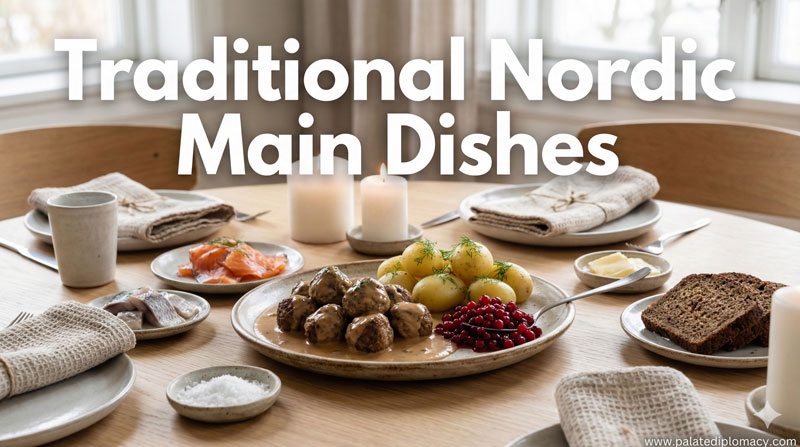
– Creamy gravy or sauce that coats each ball.
– Creamy mashed potatoes or potato purée.
– Lingonberry jam for a tart, fruity contrast.
– Pickled cucumbers or roasted vegetables for brightness.
These elements create a plate that feels balanced, comforting, and inviting. In many homes, the dish is prepared for family meals and shared with care, turning a simple weeknight into a warm moment of togetherness.
Global Appeal and Adaptations
Swedish meatballs have earned a warm welcome far beyond their homeland. They appear on restaurant menus worldwide and in frozen-food centers, ready to remind diners of Swedish comfort food. Across kitchens, cooks adapt the dish with local twists—using different meat blends, or offering vegetarian versions that use mushrooms or lentils while aiming to preserve the same soft texture and savory notes. Yet the core idea remains the same: small, flavorful balls that harmonize with a creamy sauce and bright sides, inviting conversation and appreciation for craft.
Quick Tips for Home Chefs
- Choose a balanced meat mix for tenderness and flavor.
- Soak breadcrumbs in milk to keep the interior soft.
- Avoid overworking the mixture to prevent a dense texture.
- Brown thoroughly for flavor, then simmer in sauce to finish.
- Taste and adjust the spice balance to your preference.
A Gentle Note on Craft and Culture
Köttbullar celebrate the beauty of simple ingredients treated with care. They highlight how technique, timing, and balance can elevate four basic elements into a dish that feels both familiar and refined. Whether you cook them at Home or enjoy them abroad, you encounter a small icon of Swedish culinary craft and its warm, welcoming spirit.
If you’re curious, try making Köttbullar with their classic accompaniments: a creamy sauce, mashed potatoes, lingonberry jam, and a crisp cucumber bite. This is more than a meal—it’s a moment to savor tradition, craftsmanship, and shared pleasure.