
The Story Behind Köttbullar, a Nordic Food Favorite
Köttbullar, or Swedish meatballs, are a beloved thread in the fabric of Nordic cuisine. This dish, simple in its core yet rich in flavor, invites discussion about how a family meal can become a national treasure. Its story is one of careful technique, seasonal ingredients, and shared moments around the table. In this post, we explore the cultural value and culinary significance that make Köttbullar a standout dish in Nordic Food Culture.
Core Elements that Define the Dish
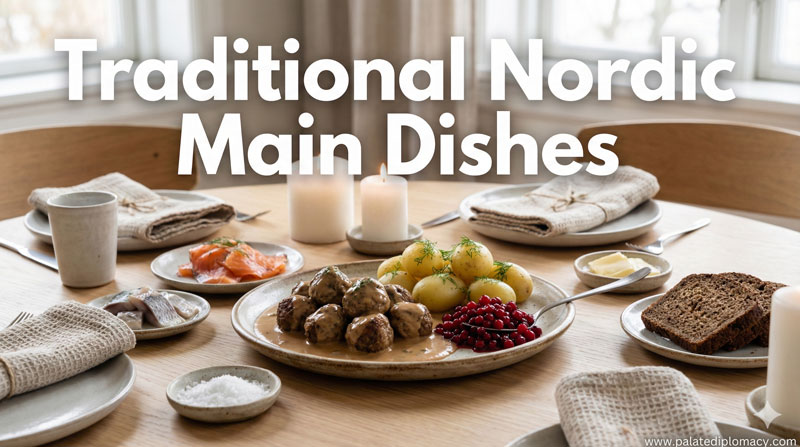
At its heart, Köttbullar combines ground meat, breadcrumbs, and dairy into small, tender spheres. Eggs bind, milk softens, and a touch of spice—often white pepper and a hint of nutmeg or allspice—gives warmth without overwhelming the meat. The meat mixture works best when it rests a moment before shaping, and when cooked gently in a skillet with butter, it develops a delicate crust while staying moist inside. A creamy gravy, smooth mashed potatoes, and a bright lingonberry accompaniment balance the flavors with harmony. This balance—savory meat, creamy sauce, earthy potatoes, and tart-sweet berries—remains a quiet triumph of Nordic culinary sensibility: simple ingredients, attentive technique, and a satisfying, comforting result.
A Culinary Language You Can Hear
The language of Köttbullar speaks of home kitchens as well as restaurants. The method is practical and approachable, yet it rewards care. Kneading the mixture lightly, shaping small balls, and letting the flavors mingle in a gentle pan fry teaches a respect for texture and aroma. The dish rewards attention to detail: the soft interior, the lightly crisp edge, the glossy gravy, and the way lingonberries cut through richness with a bright note. These details tell a story about Nordic cooking values—balance, patience, and a clear appreciation for the way ingredients work together to create something larger than the sum of its parts.
Culture of Gatherings: Food as a Social Thread
In Nordic homes, Köttbullar often appears in family meals, celebrations, and casual weekend dinners. It is a dish that welcomes many hands at the table, encouraging shared preparation and conversation. The ritual of cooking together—dicing onions, mixing meat, mashing potatoes—becomes a small ceremony. This communal aspect strengthens the cultural value of the dish, turning a recipe into a memory. The dish also connects generations: grandparents pass down the technique; younger cooks adapt it with new touches while preserving the essential textures and flavors that define Köttbullar.
Fika and Everyday Moments
Köttbullar fits beautifully into the everyday rhythm of Nordic life. It may appear as a comforting lunch, a main course for a cozy dinner, or part of a larger feast during festive weekends. Its presence during fika-like gatherings—where coffee and light bites are shared—adds a savory option that complements sweet pastries and conversation. The dish thus earns a special place not only as nourishment but as a social touchstone, signaling warmth, hospitality, and the pleasure of taking time to enjoy good food with others.
Regional Variations Within a Nordic Palette
While Köttbullar remains distinctly Swedish in its most well-known form, Nordic kitchens embrace small variations that reflect regional tastes and seasonal ingredients. Some cooks favor a mix of pork and beef for a particular tenderness, while others adjust spicing to highlight regional palates. The sauce can vary from a deep, silky cream gravy to a lighter pan sauce with mushroom notes. Yet across these variations, the core concept persists: a simple meatball that is elevated by careful preparation and thoughtful accompaniments. This shared approach across the Nordic region reinforces a sense of culinary kinship and mutual appreciation for well-made comfort food.
Sides, Sauces, and Seasonal Pairings
A classic plate pairs Köttbullar with creamy mashed potatoes or a smooth potato purée. The gravy ties the meat and potatoes together, lending a glossy finish and velvety texture. Lingonberry jam provides a tart counterpoint that refreshes the palate and brightens the dish. Some kitchens add pickled cucumber or sautéed onions for extra brightness. In winter, the dish may be offered with a heartier gravy and extra herbs; in spring, lighter touches can highlight fresh vegetables. These thoughtful pairings show how a single dish can adapt to seasonal moods while maintaining its essential character.
A Global Whisper, A Nordic Echo
Beyond Nordic borders, Köttbullar has found a place in diverse menus and home kitchens worldwide. Its charms travel well: approachable technique, comforting flavors, and a presentation that invites sharing. The dish often appears as a friendly introduction to Nordic cuisine for diners new to the region, and it invites home cooks to explore the balance of meat, dairy, and berries in a simple recipe. This global echoes back to Nordic kitchens, reminding us that the beauty of food often lies in a few honest, well-made elements presented with care.
Craft, Care, and Respect for Ingredients
What makes Köttbullar enduring is the craft involved. Quality meat, fresh onions, good breadcrumbs, and a touch of cream or milk can transform humble components into something memorable. The preparation emphasizes restraint: do not crowd the pan, allow a gentle browning, and finish with a soft sauce that never overpowers the meat. In this way, the dish embodies a philosophy of respect for ingredients and for the people who share the meal.
A Final Reflection: The Quiet Power of a Nordic Classic
Köttbullar stands as a testament to Nordic culinary values: simplicity that invites refinement, flavor built through careful technique, and a social element that makes a meal a moment of connection. Its cultural value lies in how easily it travels from kitchen to table, How It adapts to different households, and how it brings warmth and comfort to everyday life. Whether enjoyed at a family table, a festive gathering, or a restaurant plate, Köttbullar remains a beautiful example of how a traditional dish can illuminate the heart of a food culture—friendly, thoughtful, and truly Nordic in spirit.