
Introduction
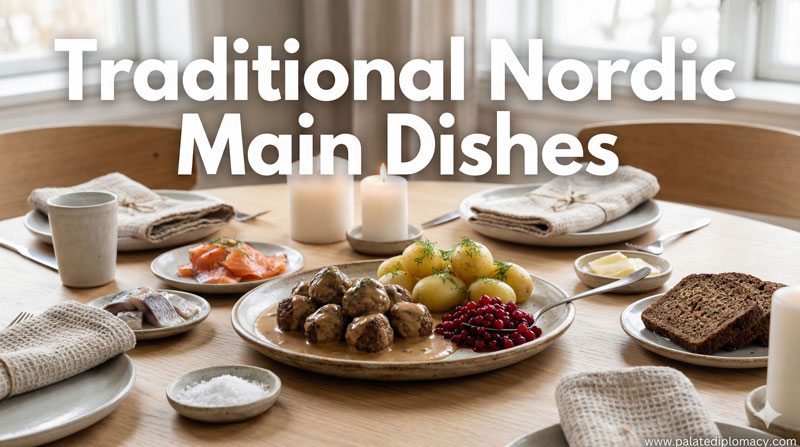
Köttbullar, or Nordic meatballs, rise from the Heart of home cooking to become a symbol of regional pride and everyday joy. In Nordic cooking, this dish embodies a philosophy of balance, simplicity, and seasonality. It invites cooks to honor basic ingredients, precise technique, and shared meals. The result is a versatile, comforting plate that travels from family kitchens to festive tables with equal grace. This post explores what makes köttbullar special—its cultural value and culinary significance—without leaning into grand narratives, but by celebrating the beauty of the dish itself.
A Symbol of Nordic Comfort
In Nordic households, köttbullar are more than a quick meal. They are a quiet ritual that marks care, patience, and the pleasure of a well-prepared plate. The dish embodies hygge in motion: a cozy, satisfying experience created through careful kitchen habits and the company of others. The meatballs are small but expressive, with textures and flavors that come together slowly. The act of shaping, browning, and braising creates a connection between cook and palate, a tactile music of clicking meat against the pan and the soft thud of rolling doughy rounds. This daily comfort turns into a shared memory over many dinners and gatherings.
The Core Ingredients and Craft
A faithful köttbullar relies on a few dependable ingredients treated with respect:
– Ground beef and pork, for a balanced flavor and tender bite
– Breadcrumbs soaked in milk, to soften the meat and carry moisture
– Finely chopped onion for sweetness and depth
– A binding egg, plus salt and pepper
– Subtle spices such as allspice and nutmeg
– A touch of cream or milk for richness
– Butter or oil for frying, followed by a gentle simmer in gravy
Work with the mix gently. Overworking the meat makes the texture dense. Lightly combine the components, form small spheres, and allow their interior to remain juicy. The skillet process—browning to a light crust, then simmering in a creamy or brown gravy—helps the flavors meld without losing tenderness.
The Technique: Tender Meat, Rich Gravy
The technique matters as much as the ingredients. First, brown the meatballs in batches to develop color and aroma. Reserve the fond in the pan; it becomes the base of a flavorful gravy. for the gravy, a simple blend of stock or broth with cream, a dash of the pan’s browned bits, and a whisper of fresh herbs yields a smooth, comforting sauce. If you prefer a lighter finish, a milk-based cream sauce works beautifully. The finished meatballs should shine with moisture, while the sauce clings gently rather than overwhelms the meat. This balance—moist interior, savory exterior, and a glossy gravy—defines the dish’s signature texture and taste.
Cultural Significance in Nordic Homes
Köttbullar reflect values of balance, seasonal cooking, and hospitality. The dish is adaptable to weekday meals and special occasions alike, which makes It a dependable anchor in the kitchen. It also showcases regional pantry staples—dairy, pork or beef, and berries like lingonberry jam on the side. Lingonberry adds a bright counterpoint to the savory meat and creamy sauce, echoing the Nordic love of contrasts that keep meals lively. This pairing illustrates a broader cultural instinct: celebrate the season with flavors that complement each other, bringing brightness to a comforting plate.
Pairings, Variations, and Seasonal Tastes
Around Nordic nations, köttbullar find companion dishes that complete the meal:
– Potatoes in some form, usually mashed or boiled
– A spoonful of lingonberry jam for tart sweetness
– Quick, crisp pickled cucumber or a light salad for brightness
– A soft, creamy gravy or a brown gravy depending on family preference
Regional variations exist, too. Some cooks favor a touch more spice, using pepper, allspice, or nutmeg to evoke a warmer profile. Others may lean into a lighter finish with less cream and more stock, highlighting leanness without sacrificing tenderness. In outdoor corners of Nordic cooking, meatballs may be prepared in larger batches for gatherings, then served with extra sides and a second bowl of gravy for dipping. No matter the variation, the core idea remains: a small, tender sphere that brings warmth to the table.
A Shared Plate Across the Region
Köttbullar cross the Nordic landscape as a comforting, inclusive dish. In Sweden, it appears as a weekly staple and a celebratory dish alike, often plated with mashed potatoes, gravy, and lingonberries. In neighboring Nordic kitchens, the same method and spirit appear with gentle adjustments, preserving the essence of the dish while echoing local tastes and seasonal ingredients. This shared plate serves as a bridge between families and generations, inviting cooks to teach and learn through hands-on preparation, conversation, and the pleasure of a well-balanced bite.
Serving Traditions and Shared Moments
Serving köttbullar isn’t just about the plate. It’s about the moment—how people gather, share, and savor. The meatballs can be part of a casual family dinner, a weekend treat, or a special plate prepared for guests. The bright note of lingonberry jam often offers a delightful counterpoint to the creaminess of the sauce, reminding diners that balance is found in contrasts. This ritual of sharing—passing the gravy, ladling on extra potatoes, offering a spoonful of jam—reinforces hospitality, gratitude, and the joy of a good meal enjoyed together.
Conclusion: A Dish of Nordic Togetherness
Köttbullar stands out in Nordic cooking not only for its flavor or technique, but for what it represents: a commitment to simple, high-quality ingredients, care in craft, and the warmth of shared meals. It is a testament to regional culinary values that celebrate tenderness, balance, and community. When you savor köttbullar, you taste a culture that honors everyday meals as a form of welcome and lasting memory. This is why the dish endures: it is a small plate with a big heart, welcoming all to the table and inviting everyone to experience the beauty of Nordic cooking through a single, comforting bite.