
Introduction
Köttbullar, or Nordic meatballs, carry warmth into many homes. In Nordic cooking, they embody comfort, balance, and hospitality. This dish invites curiosity about texture, scent, and flavor, while honoring everyday meals that bring people together. The meatball carries more than taste; it carries stories of family kitchens, seasonal ingredients, and shared generosity. Read on to discover What Makes Köttbullar so special in Nordic cooking.
Core elements that define Köttbullar
What makes these meatballs stand out begins with a simple idea: flavor should be accessible, yet deeply satisfying. Chefs blend beef and pork for tenderness, then soften breadcrumbs in milk to keep the mix light. Finely chopped onion wakes the filling with sweetness and aroma. An egg helps bind the sphere, while a careful pinch of salt and pepper enhances every bite. Spices play a quiet but essential role. Allspice and a touch of nutmeg add warmth without overpowering the meat’s natural flavor. The form is small and round, designed to brown evenly and stay tender inside. After a quick sear in a hot pan, many cooks finish the meatballs in a creamy gravy. This method creates a crusty exterior and a juicy interior, a harmony many diners recognize and savor.
Next, the sauce matters. A smooth, creamy gravy ties the dish together, echoing the dairy-rich character of Nordic cuisine. The sauce often blends stock or water with cream, balancing richness with lightness. A hint of onion or mushroom can deepen the taste, while keeping the sauce approachable. Finally, the plate comes alive when bright accents appear—lingonberry jam for tart sweetness, fresh herbs, or pickled vegetables that add color and contrast. These elements let Köttbullar transition from everyday fare to a dish that feels special without losing its friendly nature.
Texture and technique: the craft behind the bite
Texture is the heart of Köttbullar. The goal is a crusty exterior and a tender center, achieved by careful heat and moisture control. Soaking breadcrumbs in milk keeps the interior moist; finely ground meat cooperates with a gentle hand to prevent toughness. The meat mixture benefits from resting before shaping, allowing flavors to mingle. Gentle rolling produces uniform spheres that sear evenly. Pan-frying follows with even heat, then simmering in the sauce ensures moisture remains intact. This sequence—sear, simmer, rest—creates a consistent bite that many home cooks and chefs prize.
In Nordic kitchens, technique respects ingredients. Dairy-rich sauces reflect a regional palate that favors smooth, comforting textures. The result feels both rustic and refined, suitable for casual dinners and festive gatherings alike. The craft is practical yet expressive, celebrating the idea that good food can be joyful and accessible.
Serving traditions and everyday rituals
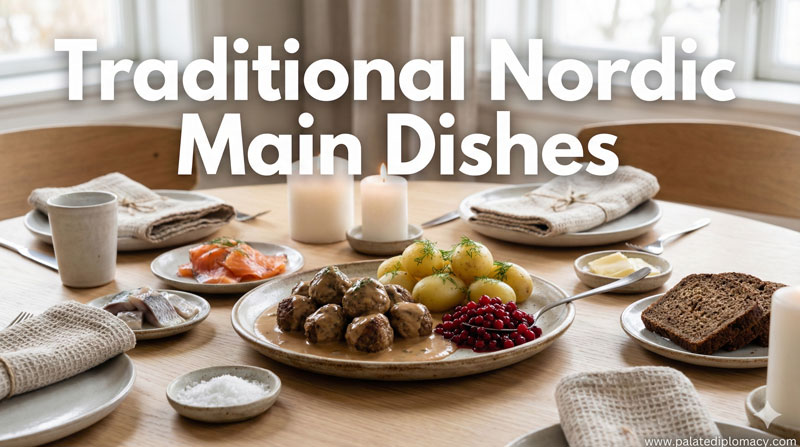
Köttbullar shine at the center of a Nordic table, where meals become moments of connection. They pair well with creamy mashed potatoes and a velvety gravy, creating a scene of comfort and familiarity. Lingonberry jam adds a bright counterpoint—its tartness cuts richness and lifts the dish. A cucumber salad or pickled vegetables brings crisp freshness to the plate. In many homes, meatballs appear as a reliable option for busy weekdays and as a beloved component of larger feasts alike.
The dish also plays a role in cultural occasions. For some families, Köttbullar appear on a Julbord—a festive spread during winter celebrations—where they mingle with other traditional dishes. The simplicity of the meatballs makes them accessible to cooks of all skill levels, yet the care given during preparation elevates the experience for everyone at the table. In this way, Köttbullar become more than a meal; they become a shared ritual of nourishment and togetherness.
A Nordic tapestry: regional touches and evolving forms
Across Nordic kitchens, cooks adapt Köttbullar to local tastes and seasonal ingredients while preserving a recognizable core. You may notice slight shifts in meat ratios, spice emphasis, or sauce texture from kitchen to kitchen. Some households favor a lighter sauce, while others relish a richer, creamier finish. The choice of side dishes also varies, reflecting regional pantry staples—potatoes, root vegetables, or bright salads. Yet the love for a well-made meatball remains constant.
Cooks honor tradition by using ingredients at hand: fresh dairy, local meat, and seasonal produce. They also welcome modern twists that stay respectful to the dish’s essence. Whether a family prepares a quick weeknight version or a carefully plated rendition for guests, Köttbullar adapt while preserving their core character. The result is a dish that feels both rooted and alive, a testament to Nordic culinary imagination.
Cultural value: the dish as a mirror of Nordic cooking
Köttbullar symbolize the Nordic kitchen’s philosophy: resourceful but generous, simple yet deeply satisfying. The dish highlights how everyday ingredients can become something memorable through technique and care. It celebrates home cooking as a form of hospitality—sharing warmth through food that is easy to love and easy to prepare.
This meatball embodies balance—between meat and dairy richness, between a crisp exterior and a tender interior, and between tradition and adaptation. It invites cooks to pay attention to small details, like proper salting, precise grinding, and thoughtful resting. In doing so, it teaches patience, attentiveness, and gratitude for meals that bring people together. The enduring appeal of Köttbullar lies in its ability to make any table feel welcoming, any kitchen feel creative, and any plate feel complete.
Why readers and kitchens stay drawn to Köttbullar
- It is comfort food with a respectful, refined edge.
- It anchors social meals and family traditions.
- It showcases the Nordic skill of turning modest ingredients into something memorable.
- It adapts gracefully to different tastes, seasons, and household rituals.
If you are curious to explore Nordic cooking, start with Köttbullar. Observe how each step—from mixing and shaping to browning and saucing—contributes to a dish that feels both everyday and special. Serve with simple sides, add a dollop of lingonberry jam, and enjoy the sense of belonging that a well-made meatball can offer. The dish invites you to savor not just flavor, but the culture of shared meals and the beauty of well-balanced cooking.
Conclusion
Köttbullar Stands Out in Nordic cooking for its quiet elegance and everyday generosity. It teaches us that great food can emerge from simple techniques, careful ingredients, and a mindset of hospitality. Across homes and tables, this dish continues to celebrate togetherness, seasonality, and the joy of a well-prepared meal. In every bite, you taste the warmth of Nordic kitchens and the timeless value of cooking that brings people close.