
Everything You Need to Know About Minchet Abish
Minchet Abish is a beloved dish from Ethiopian kitchens. It centers on finely minced meat cooked with onions and a thoughtful blend of spices. The result is comforting, versatile, and inviting to share at the table.
What Is Minchet Abish?
Minchet Abish is a traditional preparation built on precision and balance. The meat—commonly beef, and sometimes lamb—is minced finely and simmered with onions until the flavors meld. A touch of spice, often a Local blend, adds warmth without overpowering the dish. Some cooks finish it with a small amount of spiced clarified butter, called niter kibbeh, for a glossy, rich finish. The dish is designed to pair beautifully with flatbreads like injera, allowing every bite to mingle with tangy bread and fresh accompaniments.
Flavor, Texture, and Techniques
Expect a harmonious blend of savory meat and caramelized onions. The texture is light and tender from the fine mincing, with onions contributing sweetness and depth. The spice blend can range from gently fragrant to boldly piquant, featuring chili peppers, garlic, and pepper notes. A finishing drizzle of niter kibbeh or a splash of olive oil adds sheen and a subtle, fragrant aroma. The technique emphasizes patience and even heat, letting the meat release its juices without drying.
Cultural Value and Shared Moments
Cooking Minchet Abish is more than making a meal; it’s a moment of hospitality. Homes come alive with the scent of sizzling onions and spices, inviting everyone to the table. Families often prepare it together, from basic chopping to gentle stirring, turning cooking into an activity that strengthens bonds. The dish appears in everyday meals and in special gatherings, where the shared act of serving and eating reinforces generosity, care, and togetherness. Enjoying it with injera creates a communal experience, where each bite is a connection between flavors and people.
Ingredients and Preparation: A Quick Guide
- Finely minced beef (or lamb)
- Onions, thinly sliced
- Garlic, minced
- Spice blend: berbere or a local chili mix
- Salt and pepper
- Fat: niter kibbeh (spiced clarified butter) or olive oil
- Optional: chopped tomatoes or bell peppers for brightness
Preparation notes:
– Sauté onions until soft and lightly caramelized.
– Add the minced meat and cook gently, breaking it into small pieces as it browns.
– Stir in garlic and spices, then simmer to let flavors meld.
– Finish with a tiny amount of fat for a silky finish.
Serving Ideas and Pairings
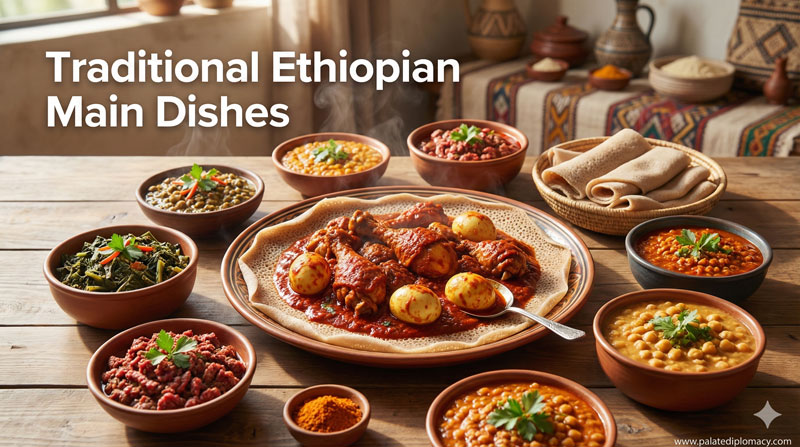
The classic serving scene features injera, the sour flatbread that soaks up the sauce. Plate a generous portion of Minchet Abish on or beside injera, allowing each guest to tear off a piece of bread to scoop. Fresh salads, lemon wedges, or a light yogurt dip can brighten the plate. A simple accompaniment like lentil stews or stewed greens also pairs well, offering a balanced meal that honors the dish’s flavors.
Regional Variations and Personal Touches
From family to family, the spice level and the precise mix of ingredients can shift. Some cooks lean into a bolder chili presence, while others favor a milder, more aromatic profile. Meat choices may vary, with some households using beef and others preferring lamb. The method remains consistent: finely minced meat, careful sautéing, and a respectful blend of spices that lets the core flavors shine.
Keeping It Fresh: Leftovers and Modern Takes
Leftovers store well in a sealed container in the refrigerator for several days. Reheat gently to preserve tenderness. For a modern twist, use Minchet Abish as a filling for wraps, or fold into eggs for a quick breakfast scramble. It also makes a tasty topping for rice bowls, adding depth to a simple dish.
Final Thoughts
Minchet Abish celebrates the craft of precise preparation and the warmth of shared meals. It stands as a testament to how simple ingredients—well minced meat, onions, spices, and a touch of butter—can create a dish that feels timeless, inviting, and deeply satisfying. By honoring the technique and the table, we savor not just a recipe, but a place where food brings people together.