
Introduction
How Minchet Abish Became Popular in Ethiopian Cuisine is a story of flavor meeting hospitality. This dish stands out for its bold aroma, its refined balance of spice and fat, and its role in bringing people together around a shared platter. In this post, we explore its cultural value and culinary significance. The journey from humble home kitchens to welcoming restaurants shows how Minchet Abish enriches daily life with warmth and care.
What Minchet Abish Is
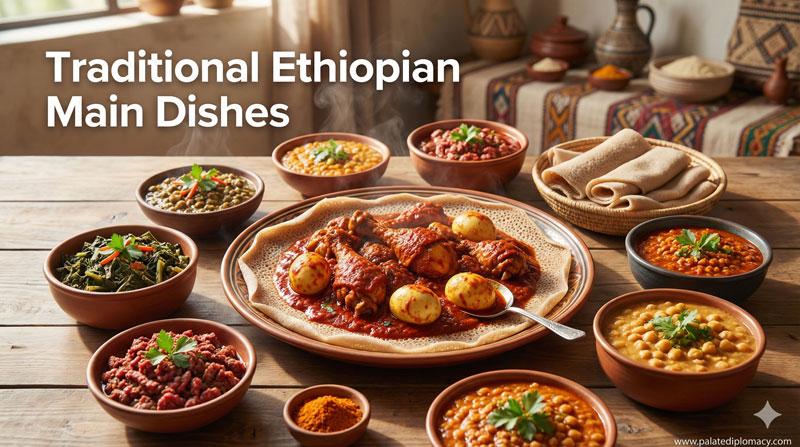
Minchet Abish is a dish built on finely minced beef, blended with a fragrant spice mix, onions, and a generous kiss of clarified butter. The texture rewards careful mincing and quick, attentive cooking. Served on a bed of injera, it invites diners to scoop with the flatbread and savor the layered flavors. The spice blend—often featuring items like berbere or mitmita—adds depth without overwhelming the meat. The result is a dish that feels both comforting and celebratory, suitable for everyday meals and festive gatherings alike.
The Path to Popularity
Its rise in Ethiopian cuisine began in kitchens where families gathered to prepare a meal that could be shared with friends and neighbors. Cooks perfected the balance of spice, meat, and fat, and refined the technique to highlight the aroma as it hits the table. As cooks opened small eateries and later larger restaurants, Minchet Abish became a signature offering that could be enjoyed at any hour of the day. The dish traveled through markets and home kitchens alike, carried by the idea that good food is a kind welcome. Over time, skilled chefs elevated its presentation and consistency, helping it reach new audiences while preserving its core identity.
Cultural Value and Social Significance
Minchet Abish embodies Ethiopian hospitality in a tangible form. It is a dish shared, not eaten alone, with injera serving as both plate and utensil. The act of serving and passing the shared platter underscores respect, generosity, and warmth. The aroma—from spices and butter—sets a welcoming tone for conversations and connection. Families and friends gather around the same central dish, reinforcing relationships and marking moments big and small. In this way, Minchet Abish is more than food; it is a small ceremony that honors guests, hosts, and the craft of everyday cooking.
Culinary Significance and Techniques
The dish rewards skilled technique. Finely mincing the meat creates a delicate texture that registers the spices evenly. A careful blend of spices, onions, garlic, and a liberal pour of clarified butter heightens flavor and aroma. The cooking is swift, preserving tenderness while building a rich, nuanced profile. The dish also showcases the Ethiopian preference for layering flavors: spice, fat, aroma, and acidity from fresh ingredients all balance on the same plate. When prepared well, Minchet Abish demonstrates how simple ingredients can yield a sophisticated, satisfying experience.
Regional Variations and Modern Interpretations
Different regions bring subtle twists while honoring the dish’s core identity. Some cooks emphasize a sharper spice note, others lean toward a mellower blend with extra herbs. Modern interpretations appear in restaurants that emphasize seasonal meats or sustainable sourcing, creating textures and visual appeal that still respect tradition. Chefs experiment with serving accompaniments, from different injera styles to complementary cheeses and fresh salads, enriching the dining experience without losing the essence of Minchet Abish.
Serving Traditions and Pairings
Traditionally, Minchet Abish rests on a warm bed of injera, ready for guests to scoop with their hands. A simple accompaniment—such as a soft, tangy ayib cheese or a lightly dressed salad—enhances the dish without overpowering it. Coffee or tea after the meal complements the experience, inviting lingering conversation and reflection on the flavors enjoyed. The serving style reinforces the values of sharing, conversation, and mutual delight that define Ethiopian dining culture.
Conclusion
Minchet Abish stands as a vibrant thread in Ethiopian cuisine. Its popularity reflects a culture that prizes generosity, balance, and the joy of communal meals. Through aroma, texture, and thoughtful preparation, the dish teaches that food is a bridge between people, turning a simple plate into a meaningful experience. In every bite, Minchet Abish invites you to savor not just flavor, but a warm tradition of hospitality that continues to flourish.