
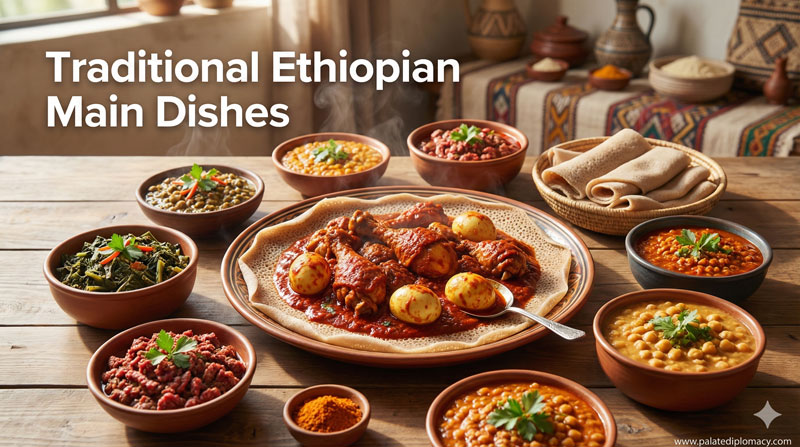
What Minchet Abish Is and Why It Lives at the Heart of Ethiopian Tables
Minchet Abish is a beloved Ethiopian dish built on a simple idea: finely minced meat cooked with spice and butter to coax out a deeply comforting aroma. The dish marries meat, spice, and fat into a cohesive, fragrant bite that invites sharing. Its character comes from a careful balance of bold flavors and a tender texture, creating a sense of welcome that echoes through family kitchens and neighborhood gatherings. Above all, Minchet Abish demonstrates how a meal can speak of hospitality, heart, and a place where food and conversation mingle.
The Craft: Techniques That Express Cultural Care
The technique behind Minchet Abish explains much about Ethiopian cooking. The meat is minced finely to achieve a soft, almost melt-in-your-mouth texture. This precision honors the guest’s experience, making each bite feel intimate and generous. A generous amount of niter kibbeh, Ethiopian spiced clarified butter, carries the color and aroma of the dish. As the butter melts, onions and garlic release sweetness, while spices wake the senses. The result is a sauce-rich meat that clings to injera and carries its own fragrance from the pan to the table.
In many homes, cooks begin with a slow foundation: onions sweated until translucent, then garlic and ginger adding their sharp warmth. The minced meat follows, breaking down as it cooks to create a cohesive, saucy mix rather than distinct chunks. This method respects time and patience—values shared across Ethiopian kitchens—allowing flavors to meld and deepen. The dish finishes with a gentle simmer that keeps the meat tender and the sauce glossy. The care given to the technique reflects a broader culinary ethic: cook with intention, season with balance, and serve with warmth.
Spices and Butter: The Cultural Flavor Palette
Berbere stands at the center of Minchet Abish. This spice blend—hot, aromatic, and deeply savory—gives the dish its characteristic kick and glow. The blend is not merely heat; it is a layered perfume that carries garlic, cumin, paprika, fenugreek, and a hint of cardamom or cinnamon in some family recipes. Niter kibbeh, the spiced clarified butter, is more than fat. It is a vehicle of aroma and a sign of hospitality. When butter and spices meet, a kitchen fills with an inviting scent that says, “Welcome.” Because the dish uses both fat and spice with care, it achieves a balance that never overwhelms the palate.
Another feature of Minchet Abish is its adaptability. Some cooks add a touch of tomato for brightness; others keep the sauce darker and more concentrated. Still others fold in a whisper of fenugreek or a splash of fresh lemon juice at the end. This flexibility mirrors a cultural value: meals are about conversation and comfort, not rigidity. Each family can honor its own memory and preference while preserving the core idea—a nourishing, fragrant dish that respects traditional flavors.
The Table as a Stage for Hospitality
Serving Minchet Abish turns the kitchen into a stage of hospitality. The dish arrives hot, its aroma weaving through the room and inviting everyone to gather. Injera, the soft, spongy flatbread made from teff, acts as both plate and utensil, turning eating into an interactive, communal experience. Diners tear a piece of injera, scoop the Minchet Abish, and share from a common circle. This method of eating emphasizes togetherness and dialogue, where the act of dipping and passing becomes part of the meal’s meaning.
The way Minchet Abish is presented often matters as much as the flavor. A well-heated serving dish keeps the meat gentle and the sauce fluid. The dish is typically enjoyed with fresh salads or cooked vegetables that brighten the plate and offer crunch against the tenderness of the minced meat. The result is a harmony of textures and colors that makes each table feel warm and lively. In this light, Minchet Abish is not just food; it is a ritual of welcome and conversation that sustains social bonds.
A Reflection of Ethiopian Culinary Values
Minchet Abish embodies several core Ethiopian culinary values. First, it foregrounds balance: heat from berbere, richness from niter kibbeh, sweetness from caramelized onions, and the bright lift of fresh ingredients. Second, it celebrates family knowledge—recipes passed down through generations and refined in home kitchens. Third, it honors hospitality as a daily practice. Providing a generous plate to guests expresses respect and care. Finally, it showcases the central role of injera as more than bread; it is a shared plate that shapes the way people eat and talk together.
This dish also highlights the region’s relationship with ingredients. Meats become tender and flavorful through slow cooking, while onions and garlic build a foundation of sweetness and aroma. Spices are not merely added for heat; they tell a story of trade, farming, and seasonal abundance. When Minchet Abish comes to the table, it tells a story of how a community chooses to lift flavor through careful technique and thoughtful preparation.
Regional Variations and Personal Traditions
Across Ethiopia, families may adapt Minchet Abish to reflect local ingredients and preferences. Some cooks favor beef, while others use lamb for a richer, slightly gamier note. The level of spice can vary from one household to another, turning the dish into a personal signature. In some kitchens, a squeeze of citrus brightens the end, while in others, a longer simmer develops deeper caramel tones. These variations are not about deviation; they are about living tradition—how a dish adapts to place and people while keeping its heart intact.
Regional ideas of portion size and accompaniment also shape the experience. In some places, a simple, single-serving plate appears at the table; in others, a larger shared dish invites conversation and multiple rounds of serving. In every case, the practice remains rooted in generosity and the joy of feeding others. Minchet Abish thus becomes a lens to observe how Ethiopian cooks honor locality, memory, and shared meals.
Pairings, Presentation, and the Sensory Experience
The beauty of Minchet Abish lies not only in taste but in aroma and presentation. The scent of niter kibbeh and berbere rises as the meat simmers, creating an immediate sense of comfort. The glossy sauce invites the eye, while the tender texture invites the tongue. The dish pairs beautifully with injera, of course, but it can also accompany simple salads or lightly cooked greens to offer a counterpoint of freshness. A small dollop of yogurt or a squeeze of lemon can enhance brightness for those who enjoy a lighter finish.
In presentation, chefs and home cooks often place the pan beside the table, letting guests witness the dish’s steam and sheen. The act of sharing from a communal dish reinforces a social ethic: food is a bridge between individuals, and a well-made Minchet Abish invites conversation, smiles, and a sense of belonging.
Conclusion: A Dish that Radiates Cultural Value
Minchet Abish is more than a recipe; it is a cultural expression expressed through technique, aroma, and hospitality. Its minced meat texture, tempered by spice and butter, reveals a kitchen that honors craft and care. The dish’s link to injera turns a meal into a ritual of sharing, turning food into conversation and community. In every bite, one tastes the warmth of Ethiopian cooking: the balance of boldness and kindness, the respect for tradition, and the joy of welcoming others to the table.
If you seek a window into Ethiopian food culture, Minchet Abish offers a vivid view. It invites you to notice how flavor and technique carry culture forward, how family knowledge shapes taste, and how a simple plate can embody generosity and grace. This is the beauty of Ethiopian Cuisine: a dish that feeds not just the body, but the sense of belonging and shared memory that makes a meal truly meaningful.