
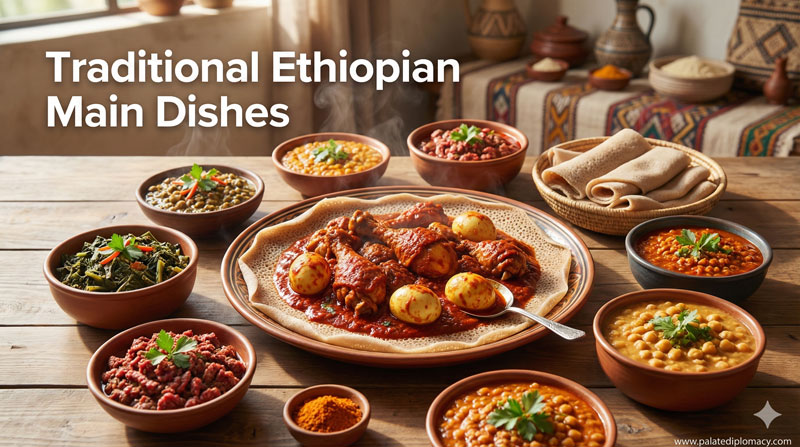
What is Minchet Abish?
Minchet Abish is a beloved Ethiopian dish that centers on finely minced meat, often beef or lamb, gently cooked with onions, garlic, and a chorus of spices. The result is a savory, deeply seasoned stew that carries a warm aroma as it simmers. The technique is simple but precise: the meat is minced finely, then kissed by the heat of a skillet until it glistens with fat. Next, onions melt into the pan and create a glossy base. The spices—often a blend like berbere or mitmita—join the mix, laying down a map of heat, sweetness, and earth. A touch of tomato or tomato paste can brighten the sauce, while a splash of water or stock helps it simmer to a rich consistency. The final bite offers a balance of savory meat, soft onion sweetness, and vibrant spice. Minchet Abish is quick enough for weeknights and refined enough for special meals. It invites quiet patience and careful tasting as the flavors fuse.
Cultural Value in Ethiopian Cuisine
In Ethiopian kitchens, Minchet Abish sits at the heart of everyday hospitality. Families prepare it as a comforting staple that welcomes guests to the table. The dish travels from pot to plate with care, inviting conversation and shared savor. Food becomes a bridge for connection, and Minchet Abish helps that bridge feel warm and familiar. The act of cooking is a ritual of care, turning simple ingredients into a meal that signals generosity. Spices are a language here, telling stories of sun-drenched peppers and fragrant herbs. The dish respects the season and the cook, rewarding attention with depth and balance. This stew also showcases the region’s love of bold flavor without losing tenderness. When served, it pairs with the soft tang of injera, enhancing the sense of place and tradition. In short, Minchet Abish is more than nourishment—it is a celebration of generosity, craft, and shared meals.
Key Ingredients and Techniques
The foundation is finely minced meat, brightened by onions that perfume the pan. Garlic and ginger add a warm, aromatic kick. Berbere and/or mitmita provide a signature spice profile—layered, aromatic, and gently fiery. A modest amount of tomato or tomato paste can lend color and brightness, while stock or water helps the sauce cling to the meat. The technique favors patience. Sauté the aromatics first, then fold in the meat until it glistens. Add spices and a little liquid, then let the mixture simmer softly. The goal is a cohesive sauce that clings to each crumb of meat. The result is a dish that feels both rustic and refined, with a sheen and a depth that grows with time. Fresh herbs or a squeeze of citrus may finish the plate for a bright lift. Each step builds toward a balanced finish where meat, spice, and onion harmonize.
Flavor Profile and Pairings
Minchet Abish offers a savory core with a chorus of warmth. The meat brings a hearty savor, while onions add natural sweetness and depth. Berbere and mitmita contribute peppery heat, smoky notes, and a touch of sweetness from the spice blend. Garlic and ginger add zesty brightness that keeps the dish lively. The texture is tender and succulent, with a silky sauce that clings to every bite. Injera serves as both plate and utensil, soaking up the sauce and carrying its flavors to every corner of the mouth. For a complementary experience, a cool cucumber salad or a tangy yogurt-based dip can balance the heat. A simple lentil or vegetable side can round the meal with color and texture. The overall effect is comforting, satisfying, and deeply satisfying to the senses.
Sharing and Presentations
Minchet Abish shines at the center of a shared table. It is presented in a generous dish or skillet, inviting guests to scoop and serve. The lineage of serving is important: the dish is meant to mingle with injera on a communal plate, each person taking a portion with flatbread. This practice encourages conversation, smiles, and a sense of belonging. The visual itself—rich sauce, glossy meat, and the inviting warmth of color—signals hospitality. Garnishes are kept modest, allowing the core flavors to speak. The experience is less about formality and more about presence and care. In every bite, the dish communicates welcome and a celebration of everyday life.
A Taste of Ethiopian Hospitality
In the heart of Ethiopian Cuisine, Minchet Abish embodies hospitality. The dish teaches patience, balance, and respect for the ingredients. It invites cooks to tune spices with care and to honor the meat and onions that form its base. Sharing this dish creates memories of gatherings, conversations, and gratitude. Its aroma welcomes people to the table long before the first bite. This is food that invites curiosity, invites slow tasting, and invites praise for the craft. By savoring Minchet Abish, one experiences a culinary snapshot of a culture that values warmth, technique, and the joy of being together. The dish stands as a tribute to the beauty of cooking as an act of care and community.
If you are curious about Ethiopian flavors, Minchet Abish offers a friendly, flavorful entry. It is a celebration of simple ingredients raised by skill and heart. With injera at the center and a warm plate of minced meat, the dish becomes a doorway to understanding a rich culinary tradition. Invite friends to the table, and let the aroma tell The Story—the story of Minchet Abish, a dish that honors taste, tradition, and the joy of sharing good food.