
The Story Behind Minchet Abish, a Favorite Ethiopian Food
Minchet Abish is more than a dish; it is a celebration of harmony between simple ingredients and careful technique. In Ethiopian kitchens, minced meat is transformed with aromatic onions, tender spices, and a kiss of butter. The result is hearty, comforting, and deeply present at the center of the meal. This dish invites us to slow down, savor the aroma, and feel the warmth of the table. As you read, you will sense how Minchet Abish carries memory in every bite and how it belongs to the rhythm of daily life in Ethiopia’s food culture.
Flavor, Craft, and Community
The flavor of Minchet Abish comes from balance. Sweet onion meets savory meat, bright spices meet rich butter, and the pan’s heat draws out both depth and brightness. The preparation honors craft: finely minced meat, careful browning, and steady simmering. The result is a savory dish with a soft bite and a lingering kiss of spice. Across households, the dish carries a shared sense of hospitality, inviting guests to a table where stories mingle with steam and steam blends with scent. The experience is not hurried; it unfolds as a moment of welcome and kinship.
The Ingredients and Technique
In a traditional kitchen, cooks begin with a small amount of niter kibbeh, a spiced, clarified butter. This foundation carries the aroma of Ethiopian culinary heritage. Finely minced beef or another preferred meat is added, then onions are stirred in until they glow with sweetness. Garlic and ginger awaken the pan, followed by berbere or other regional spice blends that offer warmth without overpowering the meat. A splash of tomato or a touch of water helps the mixture release its juices. The meat simmers gently, melding with butter and spices, until it becomes tender and richly flavored. The technique emphasizes patience and balance, letting each element shine without crowding the plate.
The Ritual of Sharing at the Table
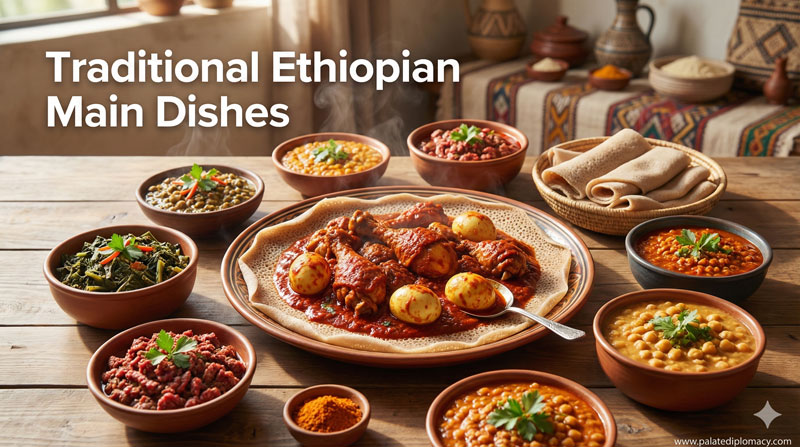
Minchet Abish shines brightest when shared. In Ethiopian dining, injera—the soft, pancake-like bread—often serves as both plate and utensil. Diners tear off a portion of injera and use it to scoop up the minced meat. This act of lifting, tearing, and tasting reinforces a sense of togetherness. Conversation flows easily, and everyone participates in the meal’s rhythm. The dish thus becomes a bridge between cook and guest, between kitchen and dining space, and between memories of meals past and those still to come.
Injera: The Plate and Partner
Injera provides the perfect counterpoint to Minchet Abish. Its tangy, spongy texture holds the juicy sauce and tender meat without overpowering them. The bread’s surface gathers the spices, while its delicate acidity brightens the dish. Together, they form a culinary duet: the meat offers warmth and richness, and injera offers balance and a welcoming bite. This pairing illustrates a key value in Ethiopian Cuisine—the art of harmony between flavors, textures, and shapes.
Seasonal Variations and Modern Adaptations
Traditionally, Minchet Abish uses common pantry components, yet cooks adapt with care. Some kitchens highlight different spice blends to emphasize regional character, while others adjust the meat-to-fat ratio for a lighter or heartier version. Fresh herbs or a pinch of green chili may appear to add brightness. in Modern homes, this dish can appear on weekday tables or be shaped for festive gatherings, always preserving the core idea: minced meat transformed through heat, spice, and butter, brought to the table with care.
A Timeless Celebration of Ethiopian Food Culture
Minchet Abish embodies the beauty of Ethiopian cooking: technique that honors ingredients, warmth that welcomes guests, and a sense of place that roots a dish in daily life. Its cultural value lies in how it teaches patience, balance, and generosity. Its culinary significance rests in how it translates a kitchen’s effort into a shared, memorable meal. For anyone exploring Ethiopian food, Minchet Abish offers a clear, inviting window into a tradition that celebrates flavor, community, and the simple joy of a well-made dish.