
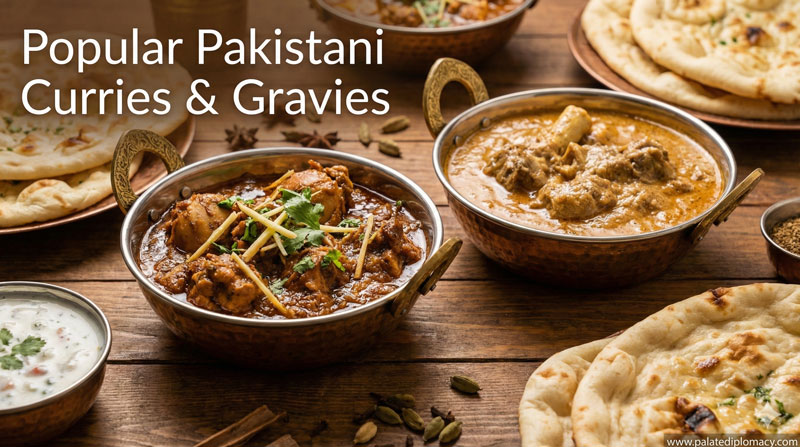
The Story Behind Mutton Korma, a Pakistani Food Favorite
The Story Behind Mutton Korma, a Pakistani Food Favorite opens a window into a table where warmth and aroma mingle. In Pakistani kitchens, this dish is more than a meal; it is a ritual of sharing. Mutton Korma is tender meat bathed in a creamy, nutty sauce. It embodies a culture that values hospitality, balance, and careful technique. In this post, we explore its cultural value and culinary significance, focusing on what makes the dish beloved in homes and at festive gatherings.
The Essence of Korma in Pakistani Cuisine
Korma is a cooking tradition that emphasizes slow, delicate simmering and harmony of flavors. In Pakistani cuisine, mutton korma stands out for its creamy texture and subtle spice. The dish highlights patience and precision in every step. A good korma invites curiosity about how simple ingredients become deeply flavorful. The result is a bowl of comfort that speaks to shared meals and everyday joy.
Ingredients That Tell a Story
Key ingredients tell a quiet, careful story. Mutton shoulder or leg provides rich, tender meat. Yogurt or thick cream adds tang and silkiness. Ground nuts, typically almonds or cashews, give body and a gentle nuttiness. Spices form the song of flavor: green cardamom, cloves, cinnamon, cumin, coriander, and garam masala. A touch of saffron can lift the sauce with a sunny hue. Onions, garlic, and ginger provide a savory base. Finally, ghee or a neutral oil carries the flavors. Each ingredient plays a role, from aroma to texture, weaving a balanced, inviting sauce.
The Craft of Slow Simmering
Patience guides a great mutton korma. The meat is browned, then slowly simmered in a vibrant sauce. This gentle cooking breaks down connective tissue, yielding tender bites. The sauce thickens as yogurt and nuts blend into creaminess. Gentle stirring prevents sticking and preserves the glow of the spices. The result is a cohesive, velvety curry that clings to the meat and coats rice or bread with ease. The technique celebrates restraint and care, two hallmarks of the dish’s culinary character.
A Dance of Spices: The Korma Spice Palette
Spices are layered Like a careful melody. Whole spices bloom in hot oil, releasing fragrance through tempering. Cardamom, cinnamon, cloves, and cumin provide warmth and depth. Ground coriander adds brightness, while turmeric brings color and earthiness. Nutty notes come from ground almonds or cashews, often added to thicken the sauce and enrich texture. A final kiss of garam masala rounds the taste. The balance is key: none should overpower the others, but together they create a refined, comforting harmony.
Texture and Balance: Creamy Sauce and Tender Meat
The creaminess of a good korma comes from yogurt or cream, and from ground nuts that give body without heaviness. The meat remains juicy and flavorful, never dry. A well-balanced korma has a soft, smooth sauce that clings to each piece of mutton. The sauce carries a bright, slightly tangy note from yogurt, followed by the cozy warmth of the spices. This texture invites slow enjoyment and repeated sips of the accompanying bread or rice.
Serving and Hospitality: How Korma Shines at the Table
Korma becomes a centerpiece because it enhances hospitality. It pairs beautifully with fluffy basmati rice and warm naan or roti. Fresh cilantro or coriander leaves add a bright finish, while fried onions (birista) on top offer a gentle crunch. A small bowl of cooling raita provides balance for those who want a cooling counterpoint. The dish invites generous servings and shared spoons, reinforcing the sense of welcome at a table.
Regional Variations Within Pakistan
Across Pakistan, korma adapts to local ingredients and tastes. In some regions, a touch more ghee and saffron intensify the aroma and richness. In others, ground nuts are prominent, giving a slightly nuttier finish. Coastal areas may feature a hint of coconut for a lighter note, while inland regions emphasize robust spice warmth. These variations illustrate how a single dish can reflect regional preferences while still honoring a common technique and spirit.
The Festival of Flavors: Occasions and Family Traditions
Mutton korma shines during family gatherings and festive meals. It marks moments of celebration, warmth, and togetherness. The recipe is passed down with care, sometimes tweaked by generations to suit local tastes. In every household, the dish carries memories of shared kitchens, laughter, and the comfort of a familiar, fragrant aroma filling the home. This cultural role as a unifier makes it a favorite beyond daily meals.
Pairings and Sides: Complements for Mutton Korma
Rice and bread are natural companions. Steamed basmati rice soaks up the sauce’s creaminess, while naan or paratha offers a sturdy, flavorful bite. Fresh salads and lightly spiced yogurt sauces add brightness. A simple cucumber raita cools the palate between bites. The right sides elevate the experience without competing with the main dish, keeping the focus on the korma’s elegance.
The Craft at Home: Tips for a Accessible Mutton Korma
Home cooks can bring this dish to life with a few practical steps:
– Choose tender meat and trim excess fat for a balanced sauce.
– Marinate briefly with yogurt, a pinch of salt, and a touch of ginger and garlic to start flavor development.
– Toast whole spices in oil to unlock aroma, then add onions and the spice paste.
– Blend soaked nuts with a little water to create a creamy base, enhancing body without heaviness.
– Simmer slowly, stirring gently, until the meat is tender and the flavors meld.
– Finish with a splash of cream or a few saffron strands for a delicate, luxurious finish.
– Adjust salt and acidity at the end to keep the balance bright and inviting.
These steps emphasize technique, patience, and respect for the ingredients.
A Message About Culture and Craft
Mutton korma is more than a recipe; it is a reflection of culinary craft and social warmth. It celebrates careful preparation, harmonious flavors, and the joy of sharing. The dish connects cooks with their heritage and with friends and family around the table. Its beauty lies in its ability to transform simple ingredients into something comforting, refined, and welcoming.
Final Reflections: A Dish That Connects People
In the end, mutton korma offers a window into a warmly seasoned culture. It shows how careful technique, thoughtful spice pairing, and generous hospitality come together in a single dish. The story behind this Pakistani favorite is a story of daily life made special through food. It invites us to pause, savor, and share, turning a meal into a celebration of flavor, family, and welcome.