
Introduction: A Dish that Bridges Taste and Tradition
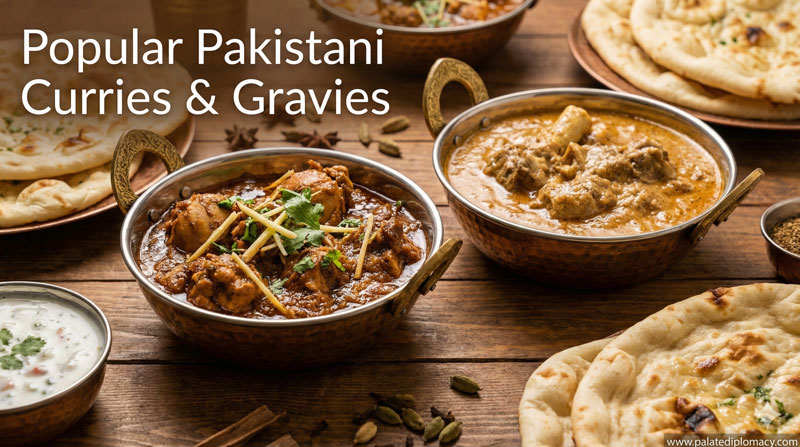
Mutton korma welcomes the senses with warm aromas and a silky, luxurious sauce. The dish blends tender meat with a yogurt and cream base, lifted by a nut paste. It is more than a meal; it is a quiet art passed through kitchens, year after year. Each bite speaks of care, season, and shared tables. The dish invites curiosity and respect for the craft behind its glow.
Core Ingredients: A Palette of Richness
The heart is mutton, chosen for depth and texture. The sauce combines yogurt, cream, and a nut paste made from cashews or almonds. A gentle mix of spices—cardamom, cinnamon, cloves, cumin, coriander, and garam masala—adds warmth. A hint of saffron or rose water brightens the mix. Onions, toasted to golden, form the foundation. The result is a harmony of tangy, nutty, and creamy notes that linger in the palate.
The Cooking Craft: Patience, Layer by Layer
Toast spices to awaken their oils, then grind them with care. Sauté onions until they glow and sweeten the sauce base. Add the meat and seal in juices with careful browning. Stir in the yogurt and nut paste slowly to avoid curdling. Simmer gently, allowing flavors to mingle and deepen. Finish with a touch of cream for silk and a whisper of saffron for color. This is a slow, attentive process that honors time, warmth, and craft.
Cultural Significance: A Table of Shared Moments
Mutton korma shines at family gatherings, festive meals, and weekend feasts. It invites conversation as the pot simmers. The sauce becomes a backdrop for stories of markets, family recipes, and seasonal ingredients. The dish teaches balance: patience in cooking, generosity in serving, and gratitude in tasting. It respects guests by offering warmth and richness in every bowl. In this way, the dish helps weave everyday life into a memorable dining experience.
Regional Variations: A Tapestry of Tastes
Across regions, the approach varies while the heart remains constant. Some kitchens favor a lighter paste with more yogurt to emphasize brightness. Others lean toward a creamier, nuttier finish with a bolder spice bouquet. Awadhi-style korma often aims for a very smooth sauce that lets the meat shine. Hyderabadi influences may add deeper spice notes and richer textures. Each variation adds its own beauty while keeping the core idea intact: tender mutton in a harmonious, fragrant sauce.
Serving and Pairings: Completing the Experience
Serve mutton korma with steamed basmati rice or warm, soft naan. A cool cucumber raita or a fresh salad brings refreshing contrast. A light mint tea or a subtle sparkling drink cleanses the palate between bites. Garnish with almond slices or a thread of saffron for a final glimmer. The presentation completes the moment, inviting diners to slow down and savor.
A Gentle Guide for Home Cooks: Appreciate and Recreate
Bring the restaurant-like depth into your kitchen with thoughtful steps. Toast spices to wake their aroma, grind fresh, and build layers one at a time. Use good-quality mutton or lamb and cut it evenly for uniform cooking. Cook slowly, letting the sauce thicken naturally. If you crave brightness, finish with a small splash of yogurt off the heat. The heart of the dish is patience and care. With small, mindful steps, you can carry this timeless tradition into your own home.