
Introduction
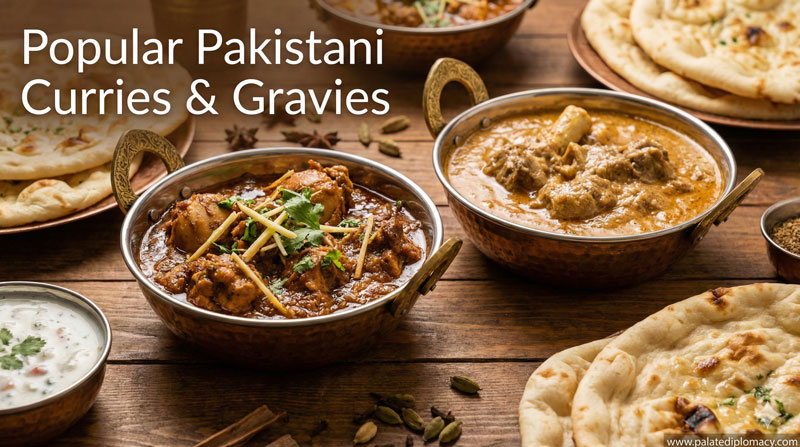
Discover the Rich Flavors of Mutton Korma. This dish invites you into a kitchen where patience and balance Create a tapestry of aroma and texture. Mutton Korma is more than a curry; it is a celebration of careful technique, fragrant spices, and the comfort of home meals. In this post, we explore its cultural value and culinary significance, delving into What Makes it a cherished dish in many kitchens.
Core Ingredients and Technique
At the heart of Mutton Korma are tender pieces of mutton, slowly braised to soak up flavor. Yogurt and a touch of cream give the curry a velvety body, while ground nuts—typically almonds or cashews—add a creamy depth. A paste of onions, garlic, and ginger provides sweetness and warmth. Whole spices such as cardamom, cinnamon, cloves, and green or black pepper perfume the oil, creating an inviting foundation. Finishing touches like saffron threads or a hint of rose water lift the aroma and brighten the palate. The technique centers on gentle heat and patient simmering, allowing the flavors to mingle without harshness. This balance is what many cooks return to season after season.
Flavor Profile and Aroma
Mutton Korma offers a harmonious blend of creaminess, nuttiness, and spice. The meat stays juicy and succulent, while the sauce remains smooth and lush. The nuts give body without heaviness, and the yogurt keeps a gentle tang that enlivens the dish. Aromatic spices emerge in layers, never overpowering the others. The result is a gentle warmth with subtle sweetness and a refined finish that lingers on the tongue. Each bite invites you to notice how texture and aroma work together to create a sense of comfort and refinement.
Regional Styles and Cultural Value
Across regions, Mutton Korma reveals a spectrum of styles that reflect local ingredients and traditions. In some kitchens, the sauce leans toward a lighter, nut-forward gloss; in others, a richer, more dairy-forward texture prevails. Saffron, rose water, or dried fruit can appear as delicate accents, signaling regional tastes and celebrations. The dish often sits at the heart of family menus and celebratory meals, where its preparation becomes a shared craft. Through each variation, Mutton Korma carries a sense of culinary heritage—an expression of slow cooking, careful balance, and respect for ingredients. This approach to flavor elevates everyday meals into meaningful experiences that families pass down with care.
Serving, Etiquette, and Occasions
Traditionally, Mutton Korma graces a festive table or a weekend feast, but it can be a soulful centerpiece for any special gathering. Serve it hot with fragrant basmati rice or warm, fluffy naan to soak up the sauce. A light garnish of fresh coriander and a scattering of fried onions add color and crunch. Side dishes like cool yogurt raita or tangy pickle provide refreshing contrasts that brighten the meal. The dish invites conversation and shared enjoyment, highlighting hospitality and the joy of cooking for others. In this way, Mutton Korma becomes more than food; it is a ritual of gathering and gratitude.
Cooking at Home: Tips for Success
To bring out the best in Mutton Korma at Home, start with quality mutton cut into even chunks. Marinate briefly in yogurt with a pinch of salt to begin tenderness. When browning spices, use a small amount of oil and temper slowly to avoid overpowering the curry. Grind a nut paste separately for a silky texture, then fold it into the sauce toward the end of cooking. Finish with a splash of cream or a thread of saffron for a luxurious finish. Maintain a gentle simmer to keep the meat tender and the sauce smooth. With patience and attention to balance, home cooks can achieve restaurant-like depth without complexity.
Celebrating the Dish: Community and Hospitality
Mutton Korma embodies a spirit of hospitality and care. It invites people to slow down, share stories, and enjoy a dish built on layered flavors and thoughtful technique. The preparation itself can become a family activity, with each generation contributing a small tweak or fond memory. As a cultural staple, the dish reinforces a sense of belonging in the kitchen, linking cooks to a lineage of flavor and tradition. The result is not only a meal but a bridge between generations and a testament to the beauty of well-made food.
Conclusion
Mutton Korma stands as a refined expression of culinary craftsmanship and cultural value. Its creamy texture, nutty depth, and aromatic balance honor ingredients with respect and patience. Whether enjoyed on a quiet weeknight or a festive table, the dish offers warmth, elegance, and a sense of shared heritage. Try preparing it with care, and you invite a timeless flavor story into your kitchen.