
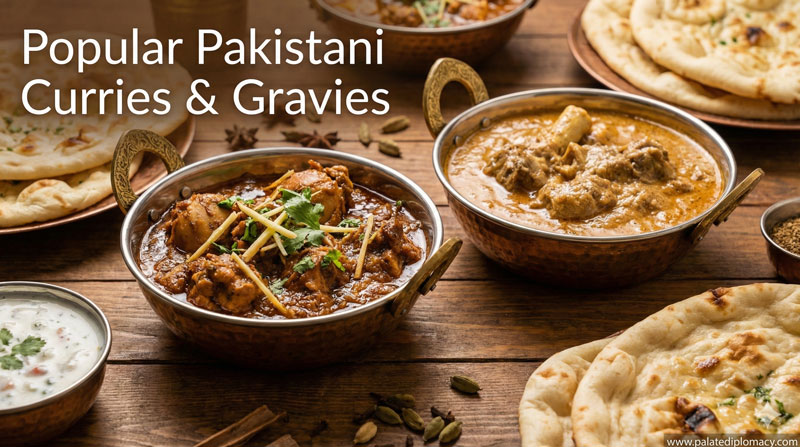
Discover the Rich Flavors of Mutton Korma invites readers to a kitchen where patience, balance, and spice come together to craft a dish that speaks of care and community.
The Heart of the Dish: Ingredients and Technique
Mutton Korma centers on tender meat bathed in a silky, fragrant sauce. The main stars are well-selected mutton, yogurt or fresh cream, and a paste made from ground nuts and spices. Chefs start with slowly browned onions, a blend of whole spices such as cardamom, cinnamon, cloves, and bay leaf, and a gentle simmer that coaxs depth from every component. The goal is a creamy texture that clings to each piece of meat, not a heavy sauce. This balance comes from the careful toasting of spices, the creamy nut paste, and the bright lift from saffron, pistachio, or almond accents. The result is a dish that feels luxurious yet grounded in everyday kitchen craft. Each bite reveals layers: the meat’s richness, the nutty sweetness, and a warm hint of spices that remains approachable and comforting.
A Canvas of Culture: History and Significance
Korma is a family of braised curries that travel across kitchens with a shared love for slow cooking. In Mutton Korma, the cooking method and ingredients tell a story of refinement and hospitality. The yogurt or cream helps tame the heat while adding a subtle tang, and the nut paste contributes a gentle body that makes the sauce cling to the meat. The aroma fills the room, inviting conversation and a calm sense of welcome. Beyond flavor, the dish embodies careful preparation, balance, and generosity—values that shine in many home kitchens and eateries. The preparations often reflect a regional palate, where sweetness, creaminess, and warmth are celebrated together in one steaming pot.
Regional Expressions: Variations Across Kitchens
Across regions, Mutton Korma carries distinct touches. In some halls, saffron and delicate rose water or kewra perfume the sauce, adding a floral brightness. In others, a richer ground spice blend creates a deeper, earthier edge. Nut pastes may lean toward almonds for a delicate sweetness or cashews for a smoother silkiness. Some cooks finish with a touch of ghee to enhance shine and aroma, while others preserve a lighter touch, letting the meat shine through with gentle spice. These variations reflect local harvests, family traditions, and the artistry of the cook. Yet across these differences, the core idea remains the same: a creamy, flavor-packed curry that honors the meat and the patience of the cook.
The Social Table: Serving and Rituals
Mutton Korma often graces the table during special meals and shared gatherings. It is commonly paired with fragrant basmati rice or warm breads like paratha or naan. The ritual of serving—placing the steaming pot on the table, presenting bowls with care, and garnishing with fresh coriander, nuts, or fried onions—creates a moment of togetherness. The dish invites conversation, lingering at the table, and savoring the slow aroma as much as the spoonfuls of sauce. It is more than food; it is a celebration of care, presence, and the joy of sharing a well-made meal.
Craft and Care: The Kitchen as Heritage
The beauty of Mutton Korma lies in the craft. Chefs and home cooks alike weave the sauce by layering flavors: searing onions for sweetness, tempering spices to coax aroma, and blending nuts into a velvet paste. Marination, if used, helps deepen tenderness, while slow simmering allows flavors to mingle without breaking the sauce. Freshly ground spices, calm timing, and mindful heat control all contribute to a dish that feels timeless yet alive in today’s kitchens. When families pass down recipes, they pass down technique and memory—an enduring form of culinary heritage that celebrates skill, patience, and respect for ingredients.
A Modern Plate: Savoring in Today’s Tables
Today, Mutton Korma meets a wide audience. Home cooks adapt the recipe to suit available ingredients while preserving its essence: creamy texture, balanced spice, and a comforting aroma. The dish can be enjoyed with modern pairings like quinoa or a simple vegetable accompaniment, while still honoring the traditional bowls and breads that have long been its companions. The essence remains clear: a dish that welcomes people, invites sharing, and elevates daily meals into moments of warmth and care.
Closing Reflections: The Beauty of a Shared Flame
Discovering the rich Flavors of Mutton Korma invites us to slow down and savor craft, culture, and connection. This dish stands as a testament to how simple ingredients—meat, yogurt, nuts, and spices—can unite into something greater than the sum of its parts. It celebrates hospitality, regional variety, and the timeless joy of preparing a meal that nourishes both body and spirit. Whether you are cooking for a family night or a festive gathering, Mutton Korma offers a gracious, flavorful path to connection through food.