
Introduction
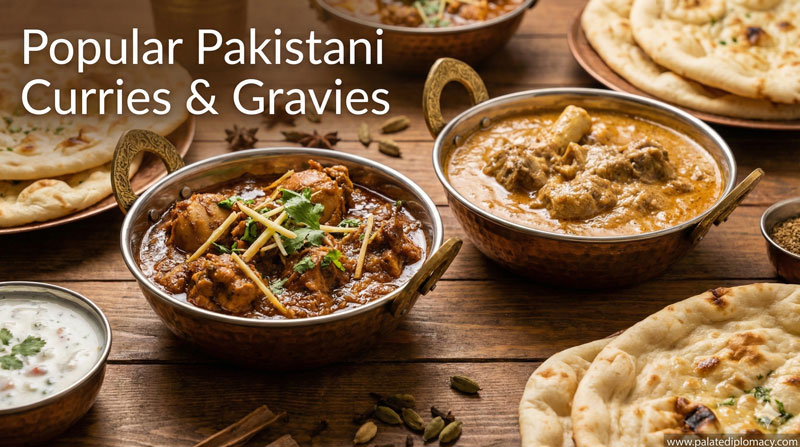
Discover the Rich Flavors of Mutton Korma invites you to a savory journey. This dish blends tenderness, warm spices, and a creamy sauce that lingers on the palate. It shines at family tables and festive gatherings alike. The beauty lies in balance: mellow meat, nutty richness, and a perfume of saffron and spices. As you read, you’ll sense how mutton korma speaks of care, craft, and shared meals.
Cultural Value and Shared Traditions
Mutton korma holds a cherished place in many kitchens. The simmering pot fills the room with a comforting aroma that invites conversation. Families gather around the stove, swapping tips and stories as the sauce thickens. The dish teaches patience, as each step unfolds slowly and with attention. Saffron, yogurt, and nut paste symbolize hospitality and generosity in serving guests. In this way, mutton korma becomes more than food; it is a heartwarming ritual that marks celebrations and everyday meals alike.
Core Ingredients and Cooking Technique
Key ingredients include mutton, yogurt, cream or a nut paste, onions, garlic, and ginger. Spices such as cardamom, cloves, cinnamon, cumin, coriander, and garam masala give depth. Saffron threads and a touch of rose water or dried fruit enhance the aroma. Here’s how the dish comes together:
– Marinate the meat with yogurt and spices to begin the depth of flavor.
– Brown onions to build a sweet, caramel note.
– Deglaze the pan, then simmer the meat slowly in a velvety sauce.
– Finish with a gentle finish of cream or ground nuts for a lush texture.
Patience rewards you with meat that melts in the mouth and a sauce that coats each bite softly.
Flavor Profile and Sensory Experience
The aroma blends warm spice bouquets with a hint of nutty richness. The sauce appears glossy and thick, clinging to each piece of meat. You’ll notice almond or cashew notes, a subtle tang from yogurt, and a saffron-laced fragrance that brightens every mouthful. The heat is balanced, allowing the spices to sing without overpowering the meat. Each bite feels luxurious yet comforting, inviting quiet appreciation of technique and balance.
Regional Variations and Culinary Pride
Across regions, mutton korma takes on distinct personalities. In some kitchens, almonds or cashews are ground finely into a creamy base. In others, cream is replaced by a nut paste for a lighter texture. Some cooks prefer a delicate hint of rose water, while others favor a stronger spice finish. Lucknow-style korma is often famed for its refined, milky sauce, while Punjabi and other regional versions emphasize a robust, pepper-scented finish. These variations celebrate local ingredients and cherished methods, contributing to a diverse tapestry of flavor.
Serving, Pairings, and Occasions
Serve mutton korma with fragrant basmati rice or warm, fluffy naan. A mild onion salad or mint chutney provides a refreshing contrast. A side of cucumber raita adds balance and cooling texture. This dish shines at family dinners, festive feasts, and special occasions, inviting guests to savor layers of flavor with every bite. The serving ritual—warming the gravy gently, presenting a glossy platter, and garnishing with fresh cilantro—enhances the experience.
Practical Tips for Home Cooks
- Soak and grind nuts to Create a smooth, rich sauce without heaviness.
- Use low to medium heat to prevent curdling and ensure tender meat.
- Let the dish rest off the heat for a few minutes before serving; flavors settle beautifully.
- Adjust thickness with a splash of stock or water, then simmer briefly to finish.
Conclusion
Mutton korma embodies the grace of slow cooking and the generosity of shared meals. Its cultural value rests in the patience, aroma, and hospitality it invites around the table. By exploring its techniques and variations, you gain not only a recipe but a doorway into a lasting food tradition. Enjoy the journey of discovering the rich flavors of mutton korma, a dish that celebrates craft, flavor, and communal joy.