
Introduction
Discover the Rich Flavors of Mutton Korma invites readers to explore a dish that speaks softly of hospitality, skill, and shared meals. This creamy, spice-kissed preparation centers on tender mutton and a sauce built from yogurt, ground nuts, and saffron. The dish honors time-honored techniques and a tradition of balancing richness with brightness. It is more than food; it is a cultural expression that gathers family and friends around the table. Through its aroma, texture, and aroma-filled promise, mutton korma reveals how a single dish can embody warmth, care, and memory.
The Craft Behind the Dish
Mutton korma thrives on patience. Chefs marinate the meat to infuse aroma and tenderness. A paste of roasted spices — cumin, coriander, cardamom, cloves, and cinnamon — is ground with almonds or cashews. Yogurt and cream form the base of the sauce, while saffron threads add a light, floral hue. The meat braises slowly, soaking up flavors until it is tender. The resulting sauce is velvety and fragrant, wrapping each bite in balance. This careful method elevates simple ingredients into a refined experience, highlighting the culinary philosophy of harmony between richness and lift from acidity or brightness. The process is as much about timing as it is about technique, a reflection of how kitchens pass down wisdom through hands that know when to stir, rest, and resume.
Regional Voices: Variations Across Kitchens
Across regions, mutton korma carries unique signature styles. In the historic Lucknowi or Awadhi tradition, the sauce tends to be delicate, with a smooth texture and a subtle kiss of saffron. In other kitchens, cooks enrich the blend with nut pastes, coconut, or cream for a warmer, fuller body. Some versions finish with a touch of cream to heighten richness, while others layer a gentle heat or peppery note for contrast. Yet in all forms, the dish remains a canvas for careful spice balance, fine texture, and respectful technique. These regional voices demonstrate how a single concept—braised meat in a nutty, yogurt-laced sauce—can adapt to local tastes while preserving its core elegance.
The Vessel and Craft: Tools That Shape Flavor
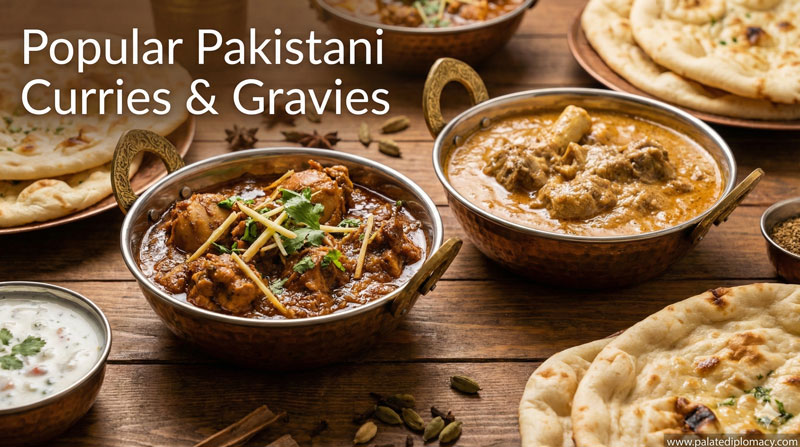
The preparation of mutton korma is as much about the vessel as the ingredients. Traditional cooks often use wide, heavy pots, or handi, to allow even heat distribution during slow simmering. Brass, copper, or iron pots can influence aroma and texture as the fat releases gradually and the sauce thickens. The spices are roasted to awaken their oils, then ground to a fine paste that marries with yogurt and nuts. The cookware chosen for serving can also emphasize hospitality—the same pot used to cook is often the same one used to present, inviting guests to a shared, visually inviting meal. This careful attention to tools reinforces the cultural value placed on thoughtful preparation and generous presentation.
Celebrations and Hospitality: The Social Heart of the Dish
Mutton korma Shines in gatherings and ceremonies. It is a dish that many families prepare for weddings, religious celebrations, and festive feasts. Sharing a pot of korma at the table embodies generosity and warmth. The aroma travels through the room, inviting guests to partake with ease and respect. The act of serving, often with elders first and guests next, highlights a social ethic of care and inclusion. In this way, mutton korma becomes more than sustenance; it is a ritual of togetherness that strengthens bonds and creates lasting memories around a shared meal.
Flavor, Texture, and Aroma: The Sensory Core
The flavor profile of mutton korma is a gentle symphony. Nutty notes from almonds or cashews mingle with the tang of yogurt, while a bouquet of spices provides warmth and depth. The texture is lush and creamy, with meat that is succulent and tender, yet distinctly meaty. Aromas of saffron, cardamom, and cinnamon rise with every stir of the pot, inviting conversation and anticipation. This sensory richness is not merely about taste; it is about the instinct to slow down, savor, and connect with others through a dish that rewards patience and care.
Pairings and Presentations: Completing the Experience
Serve mutton korma with fragrant basmati rice or fresh, hot naan. Garnish with toasted nuts, saffron strands, and a sprinkling of fresh herbs for contrast and color. A squeeze of lemon can brighten the sauce, lifting the richness just enough to reveal the underlying balance. In formal settings, the first serving is often offered to elders or honored guests, reinforcing a culture of respect. The plate becomes a small stage where aroma, color, and texture work together to welcome companions to a shared moment of culinary celebration.
Conclusion
Mutton korma stands as a testament to culinary artistry and cultural hospitality. Its creamy sauce and tender meat invite conversation, sharing, and reflection on the joy of communal meals. Through every savor and scent, the dish communicates a lineage of care, craftsmanship, and celebration that continues to inspire cooks and diners alike. By exploring its regional expressions, techniques, and social role, we gain a deeper appreciation for how food can mirror a culture’s values: generosity, patience, and the beauty of gathering together to celebrate life’s moments.