
The Story Behind Mutton Korma, a Pakistani Food Favorite
A warm welcome to a cherished dish
Mutton korma stands as a beloved emblem in many Pakistani kitchens. Its aroma fills homes with a promise of hospitality and togetherness. The dish invites slow, attentive cooking and patient sharing. In every simmering pot, you can hear the heartbeat of family life: a grandmother stirring, a bright-eyed child peeking at the simmer, friends gathering to enjoy a meal that feels like a welcome.
What makes korma a cultural touchstone
Korma is more than food; it is a ritual of care. The term korma signals a gentle braise, where meat, yogurt, nuts, and spices mingle into a silky, fragrant sauce. In Pakistan, this dish embodies balance: tender mutton, a creamy sauce, and spices that sing without overpowering. The process emphasizes patience, mindfulness, and the joy of shared labor in the kitchen. When served, korma invites conversation, gratitude, and a sense of belonging around the table.
The craft behind the dish
The heart of mutton korma lies in technique. Begin with high-quality mutton chopped into generous pieces. The base uses yogurt, ground nuts (often cashews or almonds), and a chorus of spices such as cardamom, cloves, cinnamon, coriander, and cumin. A gentle heat coaxes the fat from the meat and the fats from the nuts and dairy illuminate the sauce. The rotation between spice blooming and slow simmer yields a sauce that clings to the meat rather than sliding off it. The result is a dish that feels luxurious yet intimate, suitable for everyday meals and special occasions alike.
Regional voices within a shared tradition
Across Pakistan, cooks add their own voice to mutton korma. In some towns, a touch of saffron brightens the sauce; in others, green chilies offer a gentle warmth. The sauce may lean toward a nutty creaminess, or accent with a touch of fenugreek for a hint of bitterness that balances sweetness. Regional ingredients—such as yogurt types, nut choices, and spice blends—shape the final character of the dish. Yet the throughline remains clear: korma is a dish built on patience, harmony, and hospitality. Each kitchen finds its own rhythm, and those rhythms come together to form a shared culinary language.
The table as the stage for connection
Mutton korma shines most brightly when shared. It appears on tables during celebrations, family gatherings, and leisurely weekend meals. The act of serving, the clink of bowls, and the first bite together create a memory of warmth. This communal aspect is a cornerstone of the dish’s cultural value. It teaches guests and hosts alike to slow down, savor scents, and express gratitude for the meal and company. In this way, korma becomes a vehicle for connection and a reminder that food can knit people together.
Sensory storytelling: aroma, texture, and taste
The sensory journey of mutton korma begins with fragrance. The kitchen fills with a perfume of roasted spices, nutty cream, and slowly caramelizing onions. The meat becomes tender and succulent, each piece yielding slightly to the fork. The sauce glides over rice or bread, clinging with a satin sheen. The combination of cream, yogurt, and ground nuts gives a luxurious mouthfeel that invites lingering bites and thoughtful savoring. In every mouthful, you sense tradition, craft, and care passed down through generations.
Pairings and presentation that elevate the experience
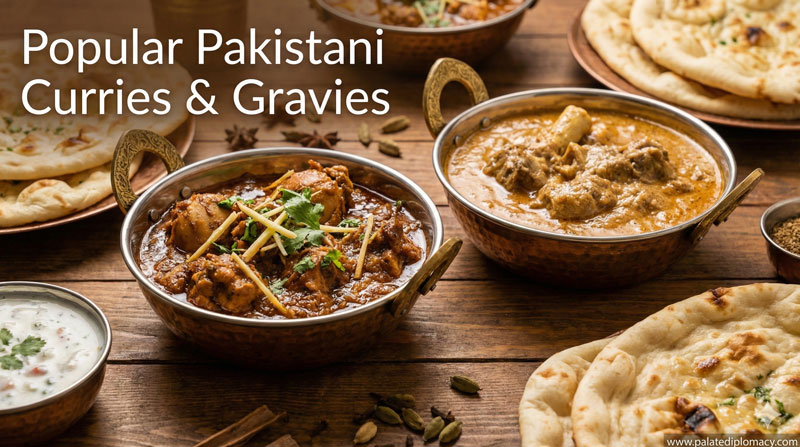
Traditional pairings for mutton korma include fragrant basmati rice and soft, fresh naan or roti. A light amount of fresh herbs—cilantro or mint—brightens the plate. Some cooks finish the dish with a drizzle of saffron-infused milk or a few slivered almonds for texture. The presentation emphasizes generosity: a wide bowl, ample portions, and a garnish that signals “you are welcome here.” These details reinforce the dish’s role in hospitality and celebration.
A living craft in homes and eateries
Home kitchens keep the tradition alive through hands-on practice. Grandmothers teach younger helpers the rhythm of heat and patience; parents show how to balance tang from yogurt with creaminess from nuts. Restaurants, too, honor this lineage by refining the technique while honoring family-style portions that invite sharing. In both settings, the dish remains a canvas for personal memory—of a festival, a Sunday meal, or a quiet moment with loved ones. The ongoing practice preserves a culinary culture that values expertise, warmth, and nourishment.
The quiet dignity of slow cooking
The beauty of mutton korma lies partly in its patient tempo. Slow cooking lets flavors mingle without harsh edges. This pace mirrors a cultural preference for care and attention in the kitchen. It demonstrates that some rewards arrive gradually, through steady heat and steady hands. The outcome is a dish that feels timeless, a thread that connects past and present through taste and texture.
A hopeful note about the future of mutton korma
As cooks continue to explore variations, mutton korma stays flexible while preserving its essence. New flavor twists may appear, yet the core idea remains: a dish crafted with respect for ingredients, a love of sharing, and a reverence for tradition. In this way, mutton korma continues to enchant new palates while honoring its enduring place in Pakistani Food Culture.
Closing thoughts: why the dish matters
Mutton korma matters because it embodies a culture of hospitality, patience, and shared nourishment. It invites us to slow down, to notice aroma and texture, and to savor the moment spent around the table. It shows how a single dish can carry memory, craft, and community alike. For anyone curious about Pakistani culinary artistry, mutton korma offers a rich, inviting doorway into a food culture defined by generosity, skill, and reverence for the ingredients that bring a pot to life.