
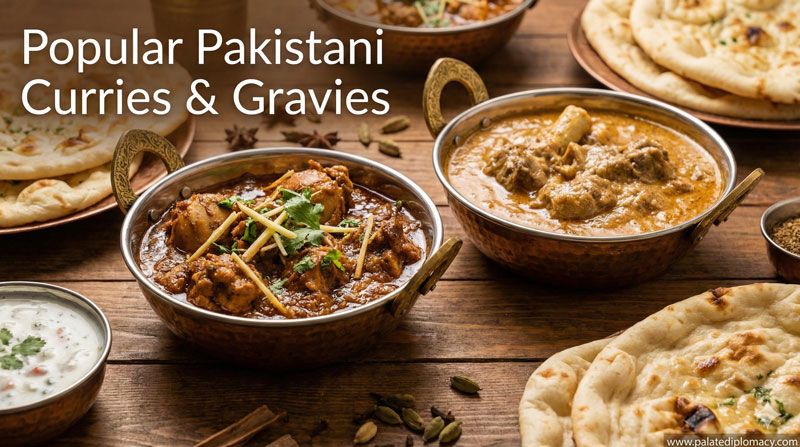
The Story Behind Mutton Korma, a Pakistani Food Favorite
In kitchens across Pakistan, a pot of mutton korma sits at the heart of celebrations. Its tender meat rests in a creamy, glossy sauce perfumed with warm spices. The dish speaks of patience, family, and shared moments. The recipe travels from cook to cook, yet its spirit stays rooted in the home. Mutton korma is more than a meal; it is a welcome, a story told through aroma and texture.
The Core Ingredients That Define the Dish
The base begins with mutton, chosen for its texture and sweetness when slow cooked. Yogurt adds tang and helps tenderize. A paste of ground almonds or cashews lends a velvety body. Whole spices—cardamom, cloves, cinnamon, and bay leaf—lift the aroma as they toast. Ground cumin and coriander bring warmth and depth. Garam masala adds a finishing roundness. A touch of saffron or saffron water brightens the gravy, giving a sunny glow. Fried onions contribute sweetness and color. Fresh cilantro and a pinch of salt finish the balance.
Core ingredients:
– Mutton
– Yogurt
– Nut paste (almond or cashew)
– Whole spices: cardamom, cloves, cinnamon, bay leaf
– Ground spices: cumin, coriander
– Garam masala
– Saffron or saffron water
– Fried onions
– Fresh herbs and salt
The Craft: How the Sauce Comes Together
The magic begins with marination. Meat is tucked into yogurt and spices to infuse flavor and improve tenderness. Next, cooks blend a smooth paste of nuts with a bit of yogurt or stock. This paste gives the gravy its satin texture. The whole spices are toasted to bloom their fragrance. Then the meat meets the sauce and simmers on low heat. Throughout, the pot rests, allowing flavors to mingle. A final touch of cream or a splash of nut milk adds silk. The result is a sauce that coats each piece of meat with a gentle, luxurious gloss.
A Cultural Pillar: Shared Meals and Hospitality
Mutton korma often marks moments of hospitality. When guests arrive, the aroma welcomes them before the first hello. Families gather around the stove or table, chatting as the curry thickens. The dish invites slow savoring, not rushing. Serving korma becomes a small ceremony: the meat is plated, the sauce is spooned with care, and a drizzle of cream or yogurt crowns the top. In this way, food becomes memory, and meals become a bridge between generations.
Regional Voices: Variations Across Homes
Across Pakistan, households tailor mutton korma to their pantry and palate. In some homes, the sauce stays creamy and lush with nut paste. In others, cooks balance with a touch more yogurt for tang. Some prefer a lighter hand with whole spices, while others amplify saffron and cardamom for a brighter note. The meat may be cut larger in one kitchen or smaller in another. Yet the core idea remains the same: a slow, respectful braise that honors meat, spices, and time.
Perfect Pairings: How to Serve Mutton Korma
Korma shines best with simple accompaniments. Fragrant basmati rice lets the sauce stand out. Naan or paratha provides a perfect scoop for the creamy gravy. A light cucumber-yogurt raita cleanses the palate between bites. Fresh coriander leaves or a sprinkle of fried onions add color at the table. The goal is balance: a crisp bite, a cool bite, and a rich bite all in harmony.
A Living Tradition in Every Bite
The Story of mutton korma continues in kitchens large and small. It is a dish that travels through time by way of family recipes, shared meals, and careful technique. Each cook adds a personal touch, yet the essence remains: tenderness, silk, and warmth. People return to it for comfort, for celebration, and for the quiet joy of good food made with care. In every spoonful, the beauty of Pakistan’s Food Culture speaks softly.