
How Fried Rice Reflects Nigerian Food Culture
How Fried Rice Reflects Nigerian Food Culture is about more than flavor. It is a window into everyday life, shared plates, and warm hospitality. In Nigeria, fried rice sits at The Heart of meals that bring people together. It blends accessibility with flair, offering something for a quiet family lunch and a lively celebration alike.
The Craft Behind the Dish
The beauty of Nigerian fried rice starts with ingredients and technique. Long-grain rice is usually parboiled to keep each grain separate. After cooling, the grains are fried gently in hot oil with onions. A fragrant pepper base—made from tomatoes, peppers, garlic, and spices—gives the dish its vibrant color and lively aroma. Carrots, peas, and green beans add brightness and texture. Options for protein—chicken, shrimp, or beef—bring heartiness without overpowering the rice’s light character.
The method reflects cultural values of balance and respect for ingredients. Each step serves the next: parboil to soften, drain to prevent soggy grains, fry to develop flavor, then fold in vegetables and proteins. The result is a plate that feels thoughtful and complete. Additionally, pantry staples like curry powder, thyme, and stock cubes show how household flavors converge to create a distinct Nigerian fried rice profile.
A Social and Culinary Ritual
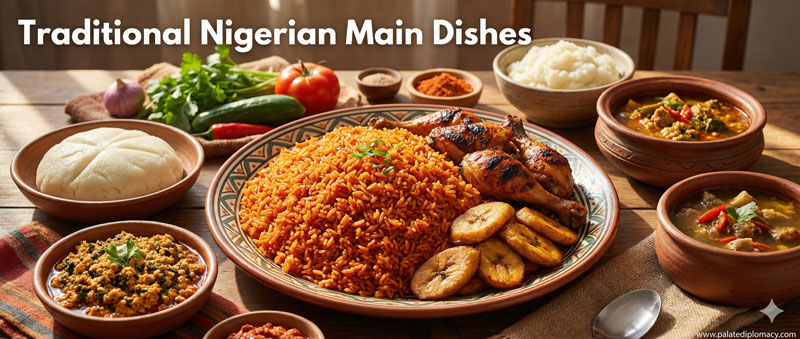
Sharing fried rice is a ritual of hospitality. It appears at family Sundays, weekend gatherings, and celebratory meals. A plate of fried rice signals welcome and care. It is often paired with fried plantains, a fresh salad, or a simple protein, making the spread inviting and easy to share.
In many households, the way fried rice is plated matters. The grains are arranged with care, colors from peas and carrots catch the eye, and the aroma invites conversation. This presentation mirrors a broader cultural value: meals are occasions to connect, reflect, and enjoy together. The dish travels from kin to friends, reinforcing bonds and creating new memories with each serving.
Color, Aroma, and Texture
Nigerian fried rice delights the senses. The dish typically glows with a golden hue from turmeric or curry powder, offset by the green of peas and the orange of carrots. A red tomato-pepper sauce creates depth and a gentle heat that lingers pleasantly. The aroma—onions, peppers, and herbs simmering briefly before the final toss—welcomes everyone to the table.
Texture plays a crucial role. Each grain should be fluffy and separate, not clumped. The vegetables add a crisp bite that contrasts with the tenderness of meat or seafood. This balance mirrors a broader culinary philosophy: meals should be satisfying in multiple ways, offering color, scent, and mouthfeel that elevate the everyday dining experience.
Regional Tweaks and Personal Touches
Across Nigeria, families put their own stamp on fried rice. Some households favor extra vegetables or a specific blend of spices. Others include shrimp, smoked fish, or a preferred meat, creating a distinct regional feel while preserving the core technique. Plantains may be fried alongside for a sweet-savory contrast. Coconut milk, bell peppers, or lime juice can appear in some kitchens, adding depth and resonance with local flavors. These variations demonstrate how a single dish can adapt to different tastes while staying true to its cultural roots.
The Everyday and the Festive
Fried rice shines in both ordinary and festive moments. On weekdays, it makes a quick yet satisfying lunch when paired with light sides. In celebrations, it becomes a centerpiece that invites sharing and conversation. This versatility mirrors Nigerian daily life, where food is a bridge between work, family, and joy. The dish’s simple technique hides a complex appreciation for color, aroma, and comfort, inviting everyone to savor a moment of warmth.
How to Appreciate the Culture Through the Dish
To truly appreciate fried rice, notice how each element supports the whole. Look for grains that are distinct and not mushy. Observe the balance of colors—green peas, orange carrots, and the red pepper sauce—because this harmony mirrors how communities value balance in life. Listen to the aromas as they rise from the pan, and feel how the dish fuels conversation and connection. Finally, recognize the flexibility that lets families tailor the recipe while preserving its essence.
Conclusion
Fried rice in Nigerian food culture is more than a recipe; it is a celebration of hospitality, shared effort, and joyful eating. Its technique teaches patience and respect for ingredients, while its presence at gatherings emphasizes community and warmth. The dish embodies a flavorful, welcoming spirit that readers can taste in every bite. Through fried rice, we glimpse how cuisine can unite people, traditions, and everyday moments into something memorable.