
The Story Behind Fried Rice, a Nigerian Food Favorite
Fried rice holds a special place in Nigerian kitchens. It welcomes family, friends, and guests with a bright color and a comforting aroma. The dish blends simple ingredients into a celebration of flavor. It is easy to share, easy to customize, and easy to fall in love with.
What Makes Nigerian Fried Rice Distinct
Nigerian fried rice is known for its warm, inviting colors. Long-grain rice is often parboiled and then fried to separate the grains. The tomato-pepper base gives a lively, slightly tangy note. Curry and thyme add depth, while garlic and ginger lift the dish with subtle warmth. Some cooks use palm oil for a rich orange hue and a gentle, fruity edge; others prefer a neutral oil for a lighter finish. Vegetables such as diced carrots, peas, green beans, and corn brighten the plate and add a crisp bite. Proteins like chicken, shrimp, or eggs mingle with the rice, offering variety without overpowering the base flavors.
The Cooking Technique: A Shared Craft
The process mirrors a careful balance of timing and texture. Start with onions sautéed until fragrant. Add the tomato-pepper blend and cook until the sauce thickens and deepens in color. Stir in spices—curry, thyme, and a pinch of salt—so the aroma unfolds. Next, toss in the parboiled rice and mix well, letting the grains take on the sauce while staying fluffy. Add vegetables and any chosen protein, then finish with a splash of stock or water to keep the rice plump. A quick stir-fry seals the flavors and creates tiny crisp edges that deliver a satisfying bite. The result is a dish that looks lively and tastes balanced, with each element supporting the others.
Cultural Value at Gatherings
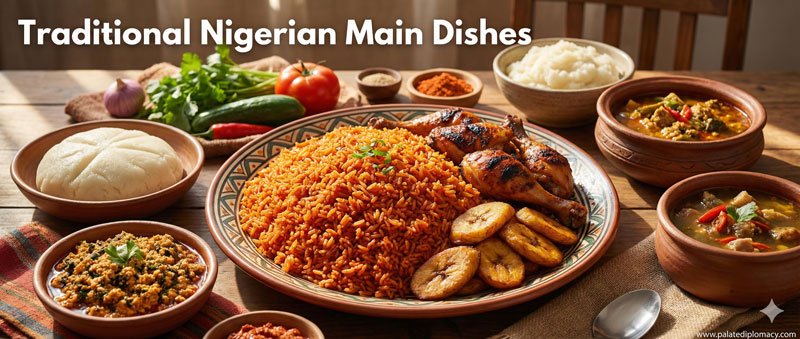
Fried rice is a dish you see at many Nigerian celebrations and everyday meals alike. It shines at birthdays, family reunions, graduations, and weekend gatherings. Its color and scent set a welcoming mood, inviting conversations and shared meals. Plated beside fried plantains, grilled meats, or fresh salads, it becomes part of a colorful food narrative. The dish also showcases generosity: cooks often adjust portions for big groups, layering flavors so every guest senses care and hospitality.
Regional Variations: From City to Village
Across Nigeria, cooks bring personal touches to fried rice. In busy urban markets, the dish might lean into bolder peppers and a slightly smoky aroma from roasting peppers. In smaller towns, you may find a lighter base with more emphasis on the vegetables and a delicate balance of spices. Some kitchens prefer palm oil for its depth and color, while others favor a cleaner finish with vegetable oil. The choice of protein can vary—from shredded chicken to shrimp, or even a simple, satisfying egg scramble folded through at the end. These variations reflect local tastes, available ingredients, and a shared love for a dish that adapts gracefully.
Serving Suggestions and Etiquette
Present fried rice in a wide, shallow platter so its colors spread invitingly. Garnish with a few fresh herbs or crisp vegetable accents to highlight freshness. Pair it with plantain slices, grilled chicken, or a light salad to create a harmonious plate. When serving, small servings for guests encourage guests to sample and savor without waste. The dish invites conversation: people often comment on the balance of sweetness, warmth, and bright notes from peppers and herbs.
Tips for Home Chefs
- Use long-grain rice and parboil it just enough to separate the grains. Overcooked rice can become mushy.
- Prepare the tomato-pepper base in advance for smoother cooking.
- Choose a cooking oil that suits your preferred flavor: palm oil for richness or a neutral oil for brightness.
- Keep vegetables crisp by adding them near the end of cooking.
- If you use protein, lightly season it before adding to the pan.
- Adjust spice gradually; a little curry and thyme goes a long way.
- Finish with a gentle toss to keep grains intact and flavors even.
In Closing: A Dish that Bridges Taste and Tradition
The Story Behind Fried Rice, a Nigerian Food Favorite, tells a simple yet powerful story. It celebrates color, aroma, and texture. It honors hospitality by inviting guests to share a warm, flavorful plate. It invites cooks to adapt, experiment, and contribute their own touch to A Beloved classic. In every bite, the dish reflects care, community, and the joy of good food.