
Introduction
Today we Explore the Story Behind Fried Rice, a Nigerian Food Favorite. This dish stands out for its bright color, welcoming aroma, and comforting taste. It is a staple in homes, markets, and community gatherings. The Story of fried rice here is a celebration of flavor, resourcefulness, and shared meals. Read on to discover how the dish moved from kitchen to table with warmth and pride.
Core ingredients and technique
Nigerian fried rice starts with good rice. Parboiled long-grain rice is a popular choice. It cooks firm and holds its shape when stirred. Cooks add oil, not only for flavor but also to carry the aroma of onions and spices. A base of sautéed onions, garlic, and tomatoes creates a lively foundation. Then comes a mix of peppers, peas, carrots, and sometimes green beans for color and sweetness. For protein, many households fold in scrambled eggs, diced chicken, or shrimp. Some add corned beef or beef strips for heartiness.
The technique is simple yet precise. Cook a flavorful tomato-based sauce or stew first. Let it simmer until the flavors blend. Next, mix in the parboiled rice and stir with care. The rice should absorb the rich sauce without becoming mushy. A touch of curry powder and thyme adds depth. Finally, the dish is finished with a quick flash of high heat to wake the flavors and create a glossy finish. This balance of technique and ingredients gives fried rice its distinctive Nigerian personality.
Color, aroma, and texture
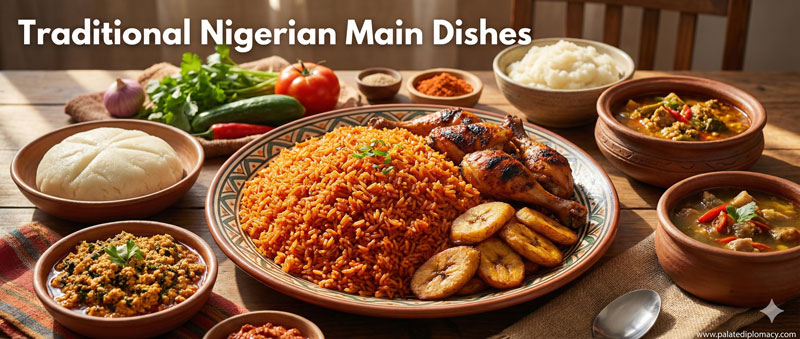
Color plays a starring role. The bright reds from tomato or pepper mix with the greens of peas and peppers create a vivid plate. The golden hue of fried onions and the sheen from palm oil or vegetable oil gives the dish a warm glow. Aroma guides the experience—from onion and garlic to the spice notes of curry and thyme. Texture follows mood: each bite should offer a playful mix of tender rice, crisp vegetables, and a gentle chew from proteins. The contrast keeps the dish exciting and inviting.
Cultural role in Nigerian meals
Fried rice is more than a dish; it is a signal of hospitality. Hosts offer it to welcome guests, celebrate milestones, and share a sense of abundance. In many Nigerian homes, preparing fried rice is a communal event. Family members contribute different ingredients, skillfully coordinating to feed a crowd. At celebrations, large trays of fried rice mark a gathering as joyful and abundant. The dish travels through daily meals and festive menus alike, always reminding everyone that food can bring people together.
Regional variations and personal touches
Across regions and families, you will find gentle variations that honor local tastes. Some cooks favor palm oil for its rich, red-orange hue and depth of flavor. Others prefer a lighter vegetable oil to highlight the vegetables and spices. The choice of meat or seafood shifts from chicken to shrimp or beef, depending on preference and occasion. Vegetables vary too; some cooks add sweet corn, diced carrots, or finely chopped green beans. Spices may include paprika, curry powder, or a touch of rosemary for a subtle twist. Each variation tells a small story about a household’s pantry, memories, and taste.
The social rhythm of cooking and sharing
Fried rice often appears in social settings. It is common at family dinners, birthdays, and community events. The preparation invites participation: some chop vegetables, others stir the rice, and elders share tips from memory. This practice strengthens bonds and passes down techniques to younger cooks. The dish serves as a bridge between generations, turning a simple meal into a shared ritual. When served, it invites conversation, nostalgia, and appreciation for the craft of cooking.
Practical tips to make it shine
- Use parboiled rice and cook it just shy of tender. It holds up better in the stir-fry.
- Parboil vegetables briefly to keep color vibrant and texture crisp.
- Start with a flavorful base: onions, garlic, and a tomato-pepper mix.
- Add curry powder and thyme for warmth, then balance with salt and a pinch of sugar if needed.
- Finish with a high-heat toss to create a slight char and glossy appearance.
- Plate with a garnish of fresh herbs or sliced peppers for brightness.
- Adapt proteins to your pantry: chicken, eggs, shrimp, or a mix.
These practical steps help preserve the dish’s lively character while making it easy to recreate at home.
A celebration of hospitality and craft
The beauty of fried rice lies in its accessibility and grace. It welcomes cooks at all levels and adapts to available ingredients. Its cultural value comes from how it invites sharing and generosity. When you serve fried rice, you offer warmth and a sense of welcome. This simple act reinforces community bonds and highlights the joy found in everyday cooking. The dish grows richer with each generation that adds its own touch, keeping the tradition alive.
Conclusion: embracing a beloved Nigerian favorite
The Story Behind Fried Rice, a Nigerian Food Favorite, is a story of color, flavor, and togetherness. It blends practical technique with a spirit of hospitality that resonates in homes and gatherings alike. If you seek a dish that celebrates food as a social event, fried rice offers a clear, inviting answer. It honors everyday cooks and elevates a humble kitchen into a place of connection. Enjoy its warmth, savor its texture, and share in the smile it brings to the table.