
The Story Behind Fried Rice, a Nigerian Food Favorite
Fried rice stands out as a beloved Nigerian staple. It invites people to gather, share, and savor. The dish blends everyday ingredients into a celebration of flavor. Its charm lies in how quickly it comes together and how generously it welcomes variations. In homes and markets, its presence signals warmth, welcome, and good cheer.
Core Ingredients and Their Roles
- Rice: long-grain varieties work best. Cooked and cooled, they separate easily in the pan.
- Onions and garlic: build the savory base.
- Colorful vegetables: peas, carrots, and peppers add brightness and texture.
- Tomatoes or tomato paste: deepen the flavor and help color the dish.
- Oil: typically vegetable oil; sometimes palm oil for a richer note.
- Seasonings: salt, pepper, and optional curry powder or thyme for depth.
- Proteins (optional): eggs, chicken, or shrimp can be added for heartiness.
- Stock or water: used to finish cooking and keep the grains lively.
Next, these ingredients come together with care to honor both simplicity and imagination.
The Technique That Brings It All Together
First, rinse and par-cook the rice, then spread it to cool. Next, heat oil in a wide pan or wok on medium-high. Sauté onions and garlic until fragrant, then add peppers and carrots. Push the vegetables aside and scramble eggs if using. Then mix in the tomatoes, briefly melding the flavors. Add the cooled rice and stir-fry vigorously to keep grains separate. Finally, fold in peas, season well, and heat through. The result is bright, fragrant, and satisfying.
Cultural Value: Why It Feels Like Home
This dish travels home with ease. It is a practical, joyful meal for everyday dining and for festive occasions alike. Fried rice couples affordability with abundance, letting cooks stretch ingredients while keeping taste high. It acts as a culinary bridge—an everyday meal that can host simple ingredients or a pantry of options, depending on what’s at hand. It also showcases care: the act of stirring, tasting, and adjusting brings people together at meals. In every kitchen, it carries memories of gatherings, celebrations, and quiet evenings made delicious.
Visuals, Aroma, and Texture: The Language of Flavor
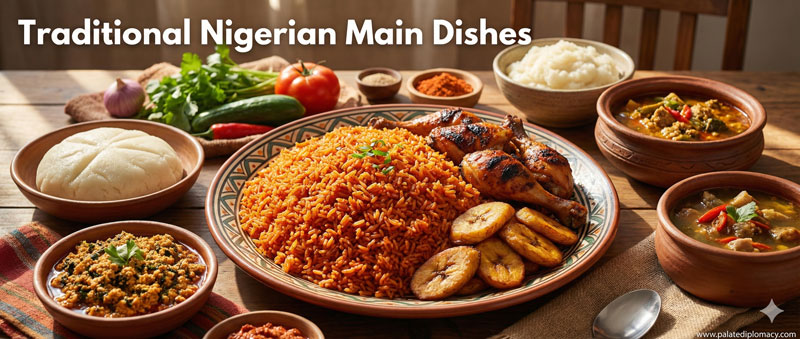
The eye first catches the vibrant mix of green peas, orange carrots, and red peppers. The aroma of onions, garlic, and toasty rice invites the senses. Each bite offers a gentle crust from the pan, a soft interior from the rice, and a balanced chorus of seasonings. The dish speaks through color, scent, and texture, inviting a second helping.
Regional Twists and Personal Touches
Many Nigerian homes add their own accents. Some prefer palm oil for a richer hue; others favor sunflower or vegetable oil for a lighter finish. Some cooks spike the dish with curry, thyme, or bouillon for extra depth. Eggs, chicken, or shrimp provide protein and texture. Fried plantains on the side and a fresh salad often accompany the plate, enhancing contrast and balance.
A Dish That Celebrates Everyday Talent
Fried rice rewards imagination. It respects tradition while inviting new flavors and local ingredients. Every kitchen can shape its own version—quick and comforting, bright and festive, simple and soulful. In this way, the dish remains a living, evolving part of Nigerian Food Culture.
Final Thoughts: A Timeless Favorite
The Story Behind Fried Rice is a celebration of flavor, family, and shared meals. It honors practical cooking that yields vibrant results. By embracing color, aroma, and texture, the dish continues to inspire cooks to create with heart. In every serving, it carries the warmth of home and the joy of a meal well made.