
What Makes Fried Rice So Special in Nigeria
In Nigeria, fried rice is more than a dish. It is a warm invitation to share, to gather, and to celebrate everyday moments. The aroma of sautéed onions, peppers, and tomato fills the kitchen long before the first bite. This dish serves as a bridge between families, neighbors, and friends, turning simple meals into memorable rituals. Its appeal lies in How It balances comfort with freshness, practicality with beauty, and everyday cooking with festive flair.
The Heart of Nigerian Fried Rice
Fried rice in Nigeria centers on harmony. The rice is textured, each grain distinct yet mellow in flavor. The tomato base provides a bright, slightly tangy sweetness, while onions contribute depth and a gentle bite. Bell peppers add color and a crisp crunch, and carrots or peas bring playful hues and subtle sweetness. The dish shines when the ingredients mingle rather than overwhelm one another. The result is a plate that looks inviting and tastes comforting, a signature of Nigerian home-cooking.
Core Ingredients: Color, Texture, and Aroma
The pantry tells The Story here. Long-grain or parboiled rice stands up to stir-frying and absorbs flavors without becoming mushy. Tomatoes or tomato paste create the familiar red-tinged sheen. Onions, garlic, and mixed peppers form a fragrant foundation. Spices—such as thyme, curry, and a touch of crayfish for depth—accent the dish without masking the rice. Proteins like shredded chicken, fried fish, eggs, or prawns appear as joyful accents. Garnishes like sliced cucumbers, lettuce, or green onions brighten the plate. This combination delivers a vibrant color palette, a layered aroma, and a satisfying balance of textures.
A Shared Cooking Experience
Frying rice in Nigeria is often a social moment. Families cook together, especially during weekends or special occasions. One person preps the vegetables, another manages the sizzling pan, and a third stirs with care. The process invites conversation, laughter, and a sense of teamwork. Even in smaller kitchens, the ritual remains. The act of turning raw ingredients into a cohesive dish creates a comforting rhythm that people return to again and again. This shared pace makes the dish feel personal and welcoming.
Regional Touches: Variations That Shine
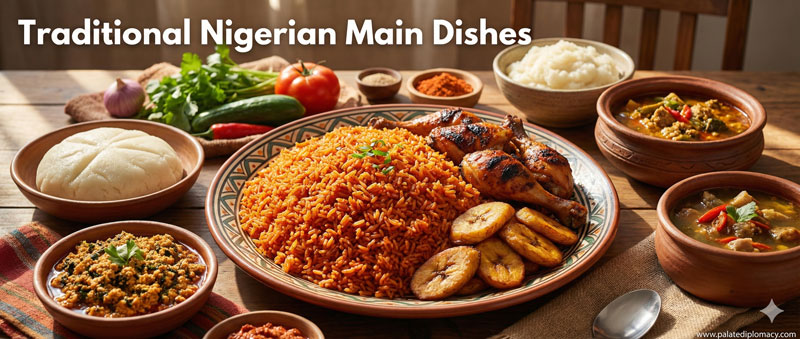
Across Nigeria, fried rice picks up regional flavors while preserving its core charm. In one city, a hint of palm oil gives a rich, nutty warmth; in another, a splash of curry or thyme adds a familiar perfume. Some cooks crown the dish with fried plantains, giving a sweet-salty contrast that delights the palate. Others fold in green peas, carrots, and sweet corn for a colorful, kid-friendly version. The result is a family-friendly canvas that reflects local taste preferences, seasonal produce, and the playful spirit of different communities. Yet the essence remains: fried rice that feels bright, comforting, and ready to share.
The Scene and the Senses: Texture, Aroma, and Color
This dish pleases the senses in multiple ways. The grains are distinct and fluffy, with just enough bite. The sauce clings to each grain, savoring the tomato-based glaze. The aroma is inviting: garlicky, peppery, and subtly smoky from the frying pan. The color—orange-red with emerald accents from vegetables—appeals to the eye and signals a balanced, lively flavor. Each bite offers a gentle warmth, a clean finish, and a sense of nourishment that feels both everyday and special.
Everyday to Festive: Occasions and Traditions
Fried rice travels easily between daily meals and celebratory tables. On ordinary days, it serves as a quick, satisfying lunch or dinner that feeds a family with love and efficiency. For festive occasions—weddings, birthdays, and communal gatherings—the dish often expands. Additional proteins, richer sauces, or decorative toppings appear, turning a comforting staple into a centerpiece. The dish also carries a mood: it can be simple and homey or bright and celebratory, depending on the company and the moment. This flexibility helps it remain relevant in many settings, always ready to bring people together.
Pairings and Variations: A Flexible Friend
Common pairings enhance the fried rice experience. A crisp salad, sliced cucumber, or a light tomato salsa provides a refreshing counterpoint. Fried plantains or a fresh vegetable medley adds texture and sweetness. A simple hot pepper sauce or tangy tomato salsa can accent the dish without overpowering it. In home kitchens, cooks tailor the recipe to suit what’s on hand—leftover vegetables, a bit of meat, or a handful of prawns—without losing the dish’s character. That adaptability is a mark of its culinary significance: fried rice serves as a reliable, affordable, and beloved canvas for Nigeria’s everyday flavor.
Tips to Honor the Tradition
- Start with dry, well-rinsed rice for the best texture. Parboiled rice holds up well to stir-frying.
- Build flavor in stages: sauté onions and peppers first, then add the tomato base, followed by rice and proteins.
- Use a little oil to create a gentle sheen without making the dish heavy.
- Taste as you go. A touch of salt, a pinch of spice, or a hint of crayfish stock can brighten the dish.
- Let the dish rest briefly after cooking. A short pause helps the flavors settle and the grains firm up softly.
In Nigeria, fried rice is more than nourishment; it is a cultural touchstone that celebrates togetherness, adaptability, and the joy of sharing a well-made meal. It honors everyday life while brightening it with color, aroma, and care. Whether prepared for a quiet family dinner or a lively gathering of friends, fried rice carries a warm invitation: come, sit, and enjoy. Its enduring appeal lies in its balance—comfort and freshness, simplicity and celebration, homey familiarity and social charm. This is what makes fried rice so special in Nigeria.