
Introduction
Okra soup is a beloved staple in Nigerian kitchens, celebrated for its warmth, color, and comforting texture. In Nigeria, the dish goes beyond nourishment; it carries memory, hospitality, and daily ritual. It invites shared meals, brightens family gatherings, and signals a welcoming home. This post explores What Makes Okra Soup so special in Nigeria—its cultural value and culinary significance that shine in every pot.
What makes Okra soup special in Nigeria
Okra soup stands out because it blends simple ingredients into something inviting and soulful. The bright green pods, the glossy palm oil, the aroma of pepper and onion, and the heartiness of meat or fish come together in a way that feels distinctly Nigerian. The dish travels from bustling markets to quiet kitchens, evolving with each cook. Yet its essence remains constant: a dish that nourishes the body and brings people together.
Core ingredients and their significance
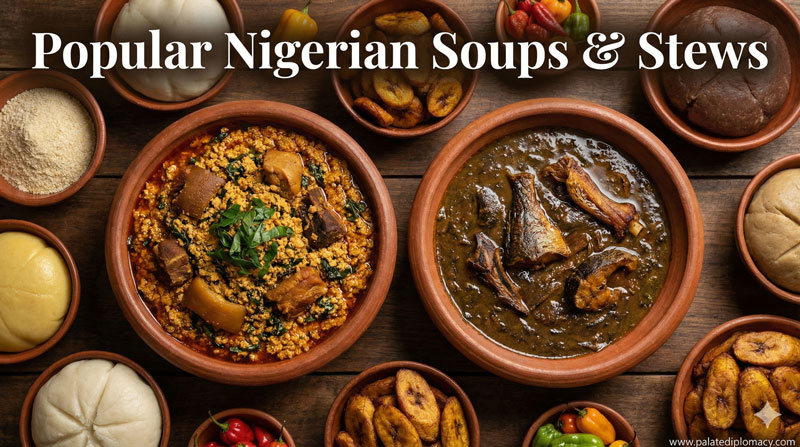
Okra is the star. The pods add texture and a gentle, slippery richness that many lovers of the dish describe as comforting. Palm oil lends a warm, reddish gloss and a deep, savory note. Proteins—beef, goat, fish, or stockfish—give richness and substance, while crayfish adds a smoky, ocean-bright layer of flavor. Onions, peppers, and spices bring brightness and balance. In Nigeria, cooks also weave in seasonal greens or local seasonings to honor what’s fresh, showing how the dish respects the land and the moment.
Technique and texture: the craft of balance
Cooks aim for a smooth, slightly viscous texture that clingy, silky okra can offer. To achieve this, many chefs dice or finely chop the pods and stir them into a simmering pot. Others slice okra into coins for a cleaner mouthfeel. The timing matters: add okra at a point where it can tenderize without losing its color, and simmer just long enough to blend flavors while keeping a lively bite. The result is a stew that glows with palm oil and shines with herbs, offering a comforting mouthfeel that lingers pleasantly.
Cultural practices: sharing, hospitality, and daily life
Okra soup is not a solitary meal. It is frequently prepared in larger pots to feed families and visiting guests. The aroma travels through the house, inviting conversation and connection. In many homes, a family member might cook while others set the table or prepare the accompanying swallow, such as fufu or pounded yam. The dish becomes a symbol of hospitality—a way to say, “You are welcome here.” It also marks everyday life: a weekday supper that sustains the family after a long day, a weekend gathering, or a friendly visit that ends with a shared bowl and stories.
Regional flair within a unified dish
Across Nigeria, cooks adapt Okra Soup to regional tastes and available ingredients. Some prefer a lighter touch with more vegetables, while others favor a richer, bolder pot enriched by extra palm oil. The choice of protein may shift—goat in one home, fish in another—yet the core idea remains the same: a hearty, nourishing soup that invites people to come together. This flexibility reflects the country’s diverse cooking traditions while preserving a common loved dish that travels from kitchen to table with ease.
Pairings, occasions, and everyday enjoyment
Okra soup often pairs with “swallows” such as pounded yam, fufu, amala, or garri. The swallow provides a perfect vehicle to scoop up the soup, letting the flavors linger on the tongue. It suits everyday family meals and also shines on special occasions when guests arrive. The pairing is part of the culture: a mindful balance between a sturdy side and a fragrant, savory main that makes meals feel celebratory without ceremony.
Practical tips for celebrating the dish at home
- Choose fresh okra for a vibrant color and a balanced texture. If you prefer less slime, dice finely or add okra later in the cooking process.
- Use palm oil for depth; a little goes a long way in building the soup’s warmth.
- Build layers of flavor with onions, peppers, and a gentle amount of salt, then finish with fresh herbs or ground spices to brighten the pot.
- Simmer with care. A gentle simmer helps the proteins mingle with vegetables without becoming tough.
- Serve hot with your favorite swallow. The act of sharing enhances the dish’s warmth and meaning.
Culinary significance: what the dish teaches us
Okra soup embodies the Nigerian approach to cooking: simplicity that yields depth, flexibility that honors local ingredients, and generosity in sharing. It teaches patience in preparation, respect for family routines, and a love for bright colors and comforting textures. The dish is a daily ambassador of Nigerian hospitality, reminding us that good food grows from careful preparation and a welcoming heart.
Conclusion
Okra soup in Nigeria is more than a meal; it is a thread that ties households, kitchens, and communities together. Its green glow, rich aroma, and satisfying texture invite people to gather, talk, and enjoy a moment of nourishment and togetherness. Whether shared after work, served on a weekend, or prepared for guests, the dish stands as a beautiful expression of Nigerian Food Culture—rooted in tradition, flexible in practice, and warm in spirit.